To qualify as specialty coffee, a sample must score at least 80 points on the Specialty Coffee Association’s 100-point scale and contain no more than five primary defects per 300-gram sample. Both conditions must be met, and the majority of coffee produced globally meets neither. Those numbers on specialty coffee bags — 84, 87, 92 points — are not marketing scores assigned by the roaster. They are the result of a formal cupping protocol conducted by Q Graders: evaluators trained and licensed by the Coffee Quality Institute, who assess each coffee blind across ten distinct sensory dimensions. A score of 90 or higher is rare enough to be genuinely meaningful; most specialty-grade coffee clusters between 80 and 86.
The Specialty Coffee Association Scoring System
SCA scoring uses a 100-point scale that evaluates coffee across multiple sensory dimensions. This system, developed through decades of refinement, provides consistent evaluation standards used worldwide by coffee professionals.
The 100-point scale creates clear quality categories:
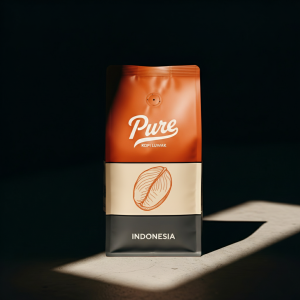
Pure Kopi Luwak
Wild civet coffee from Java. 88.5 SCA cupping score. From $125 for 100g.
The scale breaks into clear tiers: 90–100 points is Outstanding or Exceptional; 85–89.99 is Excellent; 80–84.99 is Very Good and represents the minimum for Specialty Grade designation; 70–79.99 qualifies as Good or Commercial Grade; and anything below 70 is Below Standard or Defective. Only coffees at 80 or above qualify as specialty coffee.
Only coffees scoring 80 points or higher qualify as “Specialty Coffee,” a designation that drives premium pricing and market positioning.
The Ten Evaluation Categories
Professional cuppers evaluate coffee across ten distinct categories, each contributing to the final score:
1. Fragrance/Aroma (15 points)
Fragrance refers to the dry grounds before water is added; aroma is evaluated once water is introduced and during brewing. Together they are scored on intensity, complexity, and overall pleasantness.
2. Flavor (15 points)
The primary taste impression, including sweetness, sourness, saltiness, and bitterness. This category often receives the highest weight in consumer perception and professional evaluation.
3. Aftertaste (15 points)
The lingering flavor sensation after swallowing. Positive aftertaste enhances the overall coffee experience, while negative aftertaste significantly reduces scores.
4. Acidity (15 points)
The bright, lively sensation that adds vibrancy to coffee. Quality acidity enhances flavor without creating unpleasant sourness. Different coffee species and terroir characteristics contribute varying acidity profiles.
5. Body (15 points)
The physical sensation of coffee in the mouth – its weight, thickness, and tactile feeling. Body ranges from light and tea-like to heavy and syrupy.
6. Balance (15 points)
How well all flavor components work together harmoniously. Exceptional coffees achieve perfect balance where no single element dominates inappropriately.
7. Uniformity (10 points)
Consistency across multiple cups of the same coffee. Professional cupping evaluates 5 cups simultaneously, scoring based on variation between cups.
8. Clean Cup (10 points)
Freedom from defects, off-flavors, and undesirable tastes. Clean cups allow true coffee character to shine without interference from processing or storage flaws.
9. Sweetness (10 points)
Natural sweetness perception, evaluated across the 5 cupping cups. Sweetness balances acidity and enhances overall flavor harmony.
10. Overall (10 points)
The cupper’s holistic assessment of the coffee’s appeal and distinctive characteristics. This category captures qualities that transcend individual component scoring.
The Professional Cupping Process
SCA scoring follows strict cupping protocols that ensure consistency and objectivity:
Sample Preparation
- Coffee roasted to specific standards (typically light-medium)
- 8-24 hours rest period post-roasting
- Precise grind size and brewing ratio (8.25g coffee to 150ml water)
- Water temperature of 200°F (93°C)
Evaluation Timeline
- Dry fragrance (0–2 minutes): evaluate the dry grounds before adding water
- Wet aroma (4 minutes): add water and evaluate aroma as it blooms
- Break crust (4–8 minutes): stir the surface and capture the aromas released
- First taste (8–10 minutes): begin flavor evaluation
- Final evaluation (10–15 minutes): complete scoring as the coffee cools and flavors develop
Calibrated Cupping and Consistency
Training involves developing the ability to identify specific flavors, defects, and intensities; tasting standardized samples with known scores to calibrate the palate; scoring blindly without knowledge of the coffee’s identity or market price; and periodic recalibration against other certified cuppers to ensure consistency over time.
Factors Influencing SCA Scores
Growing Conditions
Altitude, climate, soil composition, and farming practices significantly impact potential scores. High-altitude coffees from prime growing regions often achieve higher scores due to slower cherry development and increased complexity.
Processing Methods
Different processing approaches create distinct flavor profiles that affect scoring. Innovative processing methods can enhance or diminish scores depending on execution quality and flavor outcomes.
Try the coffee this article is about
Wild-sourced from Java, 88.5 SCA cupping score, free US shipping. From $125 for 100g.
Shop Pure Kopi Luwak →Storage and Handling
Proper coffee storage from farm to cupping maintains potential scores, while poor handling reduces scores through flavor degradation and defect introduction.
Roasting Quality
Roast development dramatically affects cupping scores. Professional cupping uses standardized light roasting to evaluate green bean potential, but consumer scores may reflect roasting execution quality.
Understanding Score Variations
Individual cupper palate differences account for some variation within acceptable ranges. Sample preparation inconsistencies in roasting, grinding, or brewing can shift scores. Environmental factors like room temperature and humidity play a role. And green coffee ages, meaning the same lot may score differently as it changes over time.
Reputable scorers provide confidence intervals and multiple evaluations to account for these variables.
Reading Coffee Bag Score Information
Simple Scores
“87 points” or “87/100” indicates overall SCA score
Detailed Breakdowns
Some premium coffees list individual category scores, providing insight into strength and weakness areas
Cupper Attribution
Scores may include cupper name or organization, indicating evaluation authority and credibility
Context Information
Date of evaluation, roast level used, and other relevant details that affect score interpretation
Competition Coffee and Exceptional Scores
Cup of Excellence
National competitions that identify the highest-scoring coffees, often achieving 87-92+ points and commanding auction prices reflecting these exceptional scores.
Best of Panama
Annual auction featuring Geisha varieties regularly scoring 90+ points and selling for record prices per pound.
Direct Trade Programs
Specialty importers and roasters often feature high-scoring coffees with detailed scoresheets and transparent pricing based on evaluation results.
Limitations of the SCA Scoring System
The system has acknowledged limitations. It was developed primarily using Western palate preferences, which may not reflect the preferences of coffee cultures in producing countries. The standardized light roast used for evaluation may not represent consumer preference roasts. Despite protocols, human evaluation introduces variability. And some producers have learned to optimize specifically for scoring rather than consumer appeal, gaming the system in ways the scores do not reflect.
Alternative Scoring Systems
Coffee Review Scoring
100-point system with different category weightings and evaluation protocols
Q Grader Certification
Professional certification program that trains cuppers in SCA protocols while allowing regional adaptation
Regional Standards
Some coffee-producing regions maintain local evaluation standards that reflect cultural preferences and terroir characteristics
Using Scores for Purchase Decisions
- Try coffees across score ranges to establish personal baselines for what different quality levels taste like
- Use scores as quality guidance while recognizing they may not perfectly match individual taste preferences
- Compare scores to pricing for value assessment — an 85-point coffee at a reasonable price may outperform a 90-point coffee at a premium
- Seek category breakdowns when available to understand a specific coffee’s strength and weakness areas
- Identify which cuppers and organizations provide reliable, consistent scoring you can trust
The Economics of High-Scoring Coffee
Each point above 80 on the SCA scale typically commands higher market prices, giving farmers a direct financial incentive to invest in quality improvement. Specialty-grade scores open access to premium market channels that commodity-grade coffee cannot reach, and those scores also support the marketing claims and premium positioning that allow specialty roasters to charge more at retail.
Understanding these economics helps consumers appreciate why high-scoring coffees like Pure Kopi Luwak command premium prices – they represent exceptional quality verified through rigorous evaluation.
Developing Your Personal Scoring Ability
Regular home cupping sessions using SCA protocols build evaluation skills over time. Comparative tasting — evaluating the same origin at different score ranges side by side — trains the palate effectively. Focusing on specific categories (acidity, body, balance) in each session builds targeted skill. Keeping written tasting notes and personal scores creates a reference library. And studying flavor wheels and cupping terminology provides the vocabulary to articulate what you’re tasting.
Quality Assurance and Fraud Prevention
Legitimate SCA scoring uses verified Q Grader or equivalent certified cuppers, evaluates multiple cuppers on the same sample, follows blind protocols where cuppers don’t know the coffee’s identity during evaluation, and maintains detailed scoresheet documentation and evaluation records that can be reviewed independently.
Future Evolution of Coffee Scoring
The scoring landscape continues evolving. Digital tools and sensory measurement equipment are being integrated to complement human evaluation. Cultural expansion is incorporating diverse palate preferences from producing regions. Sustainability metrics may eventually be incorporated. And ongoing research aims to better align professional scores with what consumers actually prefer in the cup.
SCA scores are a useful tool, but they measure professional evaluation under standardized conditions, not personal enjoyment. A coffee that scores 88 points may be more enjoyable to you than one that scores 91 — origin preference, roast level, and brewing method all interact with the underlying quality score in ways that mean the number alone doesn’t tell the complete story. Use scores as a quality floor and a signal of professional recognition, not as a guarantee of personal preference. The best coffee is the one you reach for again. Pure Kopi Luwak‘s distinctive cup character — measured reductions in bitterness compounds, elevated citric and malic acids, unique volatile profiles — reflects genuine chemical differences that explain what tasters consistently report, whether or not a formal score captures it fully.
Pure Kopi Luwak
Wild civet coffee from Java. 88.5 SCA cupping score. From $125 for 100g.

Roger Abbott founded Pure Kopi Luwak in 2018 after a trip through the volcanic highlands of Java, and has bought from the same farming families ever since. He only works with collectors of wild civet coffee, never caged. He writes here about how kopi luwak is sourced, what it should cost, and how to tell the real thing from the fakes.