At 205°C, a coffee bean makes an audible crack — the sound roasters call “first crack,” which marks the threshold between green and light roast. At roughly 225°C, a second crack signals entry into the dark roast range. Between these two physical events lies the entire spectrum of roast levels that determines whether a coffee from the same farm tastes bright and citrusy or rich and smoky. The chemistry driving this is the Maillard reaction — the same set of reactions that browns a seared steak — which begins around 150°C and generates hundreds of distinct aromatic compounds before first crack even occurs. Which of those compounds survive to the cup, and at what concentrations, is entirely determined by how far and how fast the roaster pushes temperature from that point forward.
The Science Behind Coffee Roasting
When green coffee beans enter the roaster, they undergo a series of chemical transformations. The Maillard reaction – the same process that browns bread and sears meat – creates hundreds of flavor compounds. Simultaneously, caramelization develops sweetness while pyrolysis creates the familiar coffee aromas.
Temperature control is crucial throughout this process. Professional roasters monitor bean temperature, air flow, and time to achieve precise flavor profiles. The roasting process typically occurs between 350-500°F (175-260°C), with different stages creating distinct flavor characteristics.
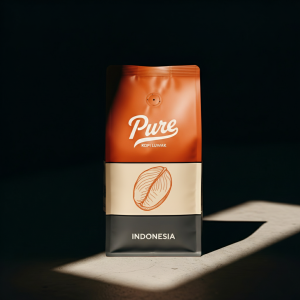
Pure Kopi Luwak
Wild civet coffee from Java. 88.5 SCA cupping score. From $125 for 100g.
Light Roast: Preserving Origin Character
Light roast coffee showcases the bean’s natural characteristics with minimal roaster influence. These roasts typically reach internal temperatures between 356-401°F (180-205°C) and are stopped just after the “first crack” – an audible popping sound as beans expand.
Light roasts have a light brown color with no visible oil on the surface. The cup is bright and acidic, with fruity and floral notes and a tea-like body. Caffeine retention is highest at this roast level, and origin character — terroir, varietal nuance — comes through most clearly. These roasts go by names like Cinnamon, New England, and Half City.
Light roasts are ideal for showcasing high-quality single-origin beans, particularly those with distinctive terroir characteristics. The minimal roasting preserves the unique flavors developed during growing and processing.
Medium Roast: The Balanced Choice
Medium roast coffee strikes a balance between origin character and roasted flavors. Reaching temperatures between 410-428°F (210-220°C), these roasts develop just past first crack but before second crack begins.
Medium roasts take on a medium brown color with slightly more body than lighter roasts. Acidity and sweetness reach a balance here, with caramel notes beginning to emerge. Caffeine levels are moderate, and these roasts are highly versatile across brewing methods. Common names include American, City, Breakfast, and Regular.
Medium roasts represent the sweet spot for many coffee drinkers, offering complexity without overwhelming roasted flavors. They work excellently in both pour-over brewing methods and espresso applications.
Medium-Dark Roast: Deepening Complexity
Medium-dark roasts push further into caramelization territory, reaching temperatures around 437-446°F (225-230°C). These roasts occur during or just after the beginning of second crack.
Medium-dark roasts show a rich brown color with the beginning of an oil sheen. Acidity drops while body increases, with chocolate and nutty notes becoming prominent. Caffeine content is slightly lower than at lighter levels, and origin character and roast character sit in roughly equal balance. These roasts are commonly labeled Full City, After Dinner, or Vienna.
These roasts offer excellent complexity for espresso blends while maintaining enough origin character for discerning palates. They pair beautifully with chocolate and dessert applications.
Dark Roast: Bold and Intense
Dark roast coffee represents the roaster’s artistry, with roasted flavors dominating origin characteristics. Temperatures reach 464°F (240°C) and beyond, well into second crack territory.
Dark roasts range from dark brown to nearly black, with visible oil on the surface. Acidity is low and body is full, with smoky and bitter notes taking center stage. Caffeine is lowest at this roast level due to thermal degradation, and roast character largely overshadows whatever origin character existed in the green bean. Familiar names for dark roasts include French, Italian, Spanish, and Continental.
Dark roasts create bold, intense flavors perfect for espresso, cold brew applications, and milk-based drinks where strong coffee flavor is desired.
Try the coffee this article is about
Wild-sourced from Java, 88.5 SCA cupping score, free US shipping. From $125 for 100g.
Shop Pure Kopi Luwak →French Roast and Beyond: The Extreme End
French roast pushes beans to their limits – dark, oily, and intensely smoky. These ultra-dark roasts sacrifice virtually all origin character for maximum roast flavor intensity.
While some coffee purists avoid such dark roasts, they serve specific purposes in blending and create the bold flavors preferred in certain coffee cultures. Italian espresso traditions often embrace these darker profiles.
Roast Profiles and Flavor Development
Professional roasters create detailed roast profiles that map temperature curves over time. These profiles control:
A roast profile maps out the rate of rise (how quickly temperature increases through the roast), development time (the duration after first crack), environmental controls such as airflow and drum speed, and the finish temperature at which the roast is stopped. Each of these variables shapes the final flavor independently.
Understanding these factors helps appreciate why the same green beans can produce vastly different flavor profiles based solely on roasting technique.
Matching Roast Levels to Coffee Origins
Different coffee species and origins respond uniquely to various roast levels:
Ethiopian and Kenyan beans typically shine at light to medium roasts, where their distinctive fruity and floral characteristics are best preserved. Central American coffees perform well across the spectrum but tend to excel at medium roasts, where their inherent balance comes through. Brazilian and Indonesian beans often benefit from medium-dark to dark roasts, which complement their earthy, chocolatey profiles.
The Indonesian coffee regions demonstrate this principle beautifully, with each island’s beans responding differently to roast development.
Home Roasting: Exploring Roast Levels Yourself
Home roasting allows unprecedented control over your coffee’s flavor profile. Simple methods include:
- Popcorn poppers offer an affordable entry point for beginners
- Skillet roasting is a traditional approach that requires close attention
- Dedicated home roasters provide precise temperature and time control
- Drum roasters give serious enthusiasts near-professional-level control
Home roasting requires patience and practice but rewards you with ultra-fresh coffee and complete control over flavor development.
Storage and Freshness Considerations
Roast level affects how quickly coffee loses freshness. Darker roasts typically degas faster due to increased porosity and oil presence. Understanding proper coffee storage techniques becomes crucial for maintaining optimal flavor regardless of roast level.
Light roasts may peak 3-7 days after roasting, while darker roasts often taste best 1-3 days post-roast. This timing affects everything from grinding to brewing extraction.
Cupping and Evaluating Roast Levels
Developing your palate for roast level differences enhances coffee appreciation. Professional cupping techniques help identify how roasting affects:
- Acidity levels and brightness
- Body and mouthfeel development
- Sweetness and caramelization
- Balance between origin and roast character
Regular cupping sessions comparing the same green beans at different roast levels provide invaluable learning experiences.
Pairing Roast Levels with Brewing Methods
Different brewing methods complement specific roast levels:
- Pour-over and V60: light to medium roasts showcase clarity and origin complexity
- French press: medium to medium-dark roasts deliver the body and richness the method is known for
- Espresso: medium-dark to dark roasts support proper extraction and crema development
- Cold brew: dark roasts provide bold flavors that hold up well through dilution
The Economics of Roast Levels
Understanding what makes coffee expensive includes appreciating roasting costs and complexity. Lighter roasts require more precise control and higher-quality green beans, while darker roasts can mask defects but require skill to avoid over-roasting.
Premium coffee like Pure Kopi Luwak deserves careful roasting that preserves its unique characteristics while enhancing its natural complexity through proper heat application.
Conclusion: Finding Your Perfect Roast Level
The art of coffee roasting transforms simple green seeds into the complex beverage we cherish. Understanding roast levels empowers you to make informed choices about your coffee, whether purchasing from roasters or exploring home roasting.
Start by tasting the same origin coffee at different roast levels. Notice how light roasts preserve origin character while dark roasts emphasize roasted flavors. Experiment with different brewing methods to see how roast level affects extraction and final flavor.
Remember that there’s no “best” roast level – only preferences that match your taste, brewing method, and desired coffee experience. The journey through roast levels is one of discovery, where each cup teaches you more about the remarkable transformation from green bean to perfect brew.
Pure Kopi Luwak
Wild civet coffee from Java. 88.5 SCA cupping score. From $125 for 100g.

Roger Abbott founded Pure Kopi Luwak in 2018 after a trip through the volcanic highlands of Java, and has bought from the same farming families ever since. He only works with collectors of wild civet coffee, never caged. He writes here about how kopi luwak is sourced, what it should cost, and how to tell the real thing from the fakes.