The word “theobromine” comes from Theobroma cacao — the scientific name of the cacao tree — which in Greek means “food of the gods.” It’s the primary alkaloid in chocolate, and it shares a molecular family with caffeine, the primary alkaloid in coffee. This chemical kinship is not coincidental. Cacao and Coffea arabica both produce these xanthine alkaloids as a defense against insects, and both plants have been domesticated by humans specifically for the pleasure those alkaloids produce in the brain. Before you taste anything, coffee and chocolate are already operating on the same biological level.
The flavor kinship runs equally deep. Coffee contains roughly 800 identified volatile flavor compounds — more than wine, which has approximately 200. Chocolate brings its own library of aromatic molecules, many overlapping with coffee’s: pyrazines from roasting, aldehydes from fermentation, organic acids from post-harvest processing. When you pair coffee with good chocolate, you’re not just matching things that happen to taste good together. You’re combining two of the most chemically complex flavor systems in food, and the compounds reinforce each other.
Why Both Use Fermentation
The parallel starts before roasting. Both coffee and cacao undergo fermentation as a critical step in their processing, and the fermentation shapes the flavor profile of everything that follows. Cacao beans are fermented in wooden boxes or banana leaves for 3 to 7 days after harvest; the pulp surrounding the bean breaks down through microbial activity, generating heat and producing acids that penetrate the bean and begin the chemical transformations that create chocolate flavor. Coffee cherries undergo their own fermentation during various processing methods — washed, natural, or honey — that similarly determine the acid balance and aromatic character of the finished bean.
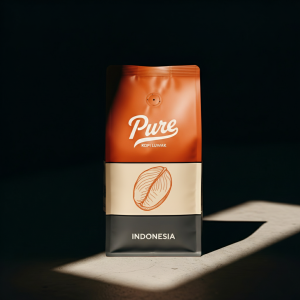
Pure Kopi Luwak
Wild civet coffee from Java. 88.5 SCA cupping score. From $125 for 100g.
Both fermentation processes are controlled by producers with specific flavor goals in mind. At a Peruvian cacao farm focused on fine-flavor varieties, the fermentation box might be turned precisely to control temperature and ensure even development. At a Javanese coffee farm, the fermentation timing during wet processing is calibrated to produce the clean, low-acid character that distinguishes Javanese Arabica from East African lots. When you cup a coffee and taste it next to chocolate, you’re evaluating two fermented products from the same craft tradition.
Pairing Logic: Origin Mirroring
The most reliable approach to coffee and chocolate pairing is origin mirroring: match geographic character with geographic character. A coffee from Sulawesi with earthy, dark, tobacco-tinged depth pairs naturally with a dark chocolate from a West African cacao grown under similar conditions — the shared earthiness in both amplifies rather than conflicts. A bright, fruit-forward washed Ethiopian Yirgacheffe, with its jasmine and blueberry notes, pairs better with a fruity, high-cocoa-percentage Ecuadorian or Madagascan single-origin chocolate that brings similar brightness.
The same principle applies to wild-sourced kopi luwak from Java. Its profile — smooth, full-bodied, low bitterness, with a characteristic earthiness and hints of dark chocolate and tobacco — aligns naturally with a mid-percentage dark chocolate (65 to 72 percent) from a fine-flavor cacao with similar terroir. The enzymatic processing that removes bitterness precursors from kopi luwak beans means the pairing works without the harsh contrast that dark chocolate can create against more bitter coffees. Try a Peruvian or Colombian dark chocolate with modest acidity, and the two flavors will lengthen and deepen each other.
Try the coffee this article is about
Wild-sourced from Java, 88.5 SCA cupping score, free US shipping. From $125 for 100g.
Shop Pure Kopi Luwak →Roast Level and Cacao Percentage
Roast level is the second major variable in coffee-chocolate pairing. Light roasts preserve more of the bean’s origin character — floral, fruity, sometimes winey notes — and pair with chocolates that have enough acidity to match. A light-roasted Ethiopian natural coffee alongside a 75 percent Madagascar bar, where both carry bright, berry-adjacent notes, creates a harmonic pairing where neither overpowers the other.
Medium roasts, which develop more caramel and nutty qualities while retaining some origin character, pair most flexibly. A medium-roasted Javanese Arabica — which is how quality kopi luwak is typically roasted — works with dark chocolates from 65 to 80 percent cacao content. The chocolate’s fat rounds the coffee’s body, and the sugar balance in a 70 percent bar fills the sweetness that medium roast coffees carry naturally.
Dark roasts, with their reduced origin character and dominant roasting notes, pair most naturally with high-percentage dark chocolates or with chocolate that carries significant smoky or earthy notes. A heavily roasted Sumatran coffee alongside an 85 to 90 percent dark chocolate from a cacao with similar earthy, tobacco qualities can produce a rich, intense pairing — but there’s less nuance available, because both the roast and the high cacao percentage have minimized the aromatic complexity that makes lighter pairings interesting.
The Milk Chocolate Question
Milk chocolate and specialty coffee is a pairing that polarizes the coffee community, usually because cheap milk chocolate is so sweet it overwhelms everything around it. Good milk chocolate — 35 to 45 percent cacao, made with quality ingredients rather than vegetable fat — is a different product. Its dairy richness and moderate sweetness can complement a coffee that has natural caramel or hazelnut notes without competing with it.
The approach is to match intensity. A mild, well-balanced Java medium roast can pair well with a quality milk chocolate in a way that an intense dark-roasted espresso blend never will. The key is that both elements should be in the same range of intensity — a powerful coffee needs a powerful chocolate, and a delicate single-origin needs a chocolate with restraint.
Evaluating the Pairing
The clearest test of any coffee-chocolate pairing is retronasal aroma — what you smell after swallowing. Take a sip of coffee, let it move to the back of the throat, then take a piece of chocolate before swallowing the coffee. The two flavors will combine in your retronasal passage and produce a new aromatic signature that’s neither the coffee nor the chocolate alone. If the pairing is working, that signature should be richer and more complex than either element on its own. If one element disappears or the result tastes muddled, try a different chocolate or adjust your coffee brewing ratio.
This is the same evaluation technique used by food professionals pairing wine with chocolate, adapted for coffee. The polyphenol compounds in both coffee and dark chocolate — chlorogenic acids in the coffee, flavanols in the cacao — also happen to be beneficial for cardiovascular health, which makes a well-considered coffee and chocolate pairing one of the more elegant ways to indulge in something that’s genuinely good for you.
Pure Kopi Luwak
Wild civet coffee from Java. 88.5 SCA cupping score. From $125 for 100g.

Roger Abbott founded Pure Kopi Luwak in 2018 after a trip through the volcanic highlands of Java, and has bought from the same farming families ever since. He only works with collectors of wild civet coffee, never caged. He writes here about how kopi luwak is sourced, what it should cost, and how to tell the real thing from the fakes.