In August 2025, a 45.5-kilogram lot from Hacienda La Esmeralda’s Private Collection sold at Panama’s Best of Panama auction for $30,204 per kilogram — purchased by Beijing Specialty Drink Co., Ltd. At roughly $13,700 per pound of green coffee, a single 100-pound bag cost more than a new car. It was not an outlier: the 2025 Best of Panama auction generated over $2.8 million in total sales, averaging more than $2,861 per kilogram across all lots. The world’s rarest coffees now trade at prices that overlap with fine wine and investment-grade spirits.
The transformation of coffee from agricultural commodity to investment-grade collectible reveals how passion, scarcity, and exceptional quality can create markets that defy traditional economic logic.
The Auction That Changed Everything
The modern coffee auction phenomenon began modestly in the early 2000s but reached astronomical heights with Panama’s Best of Panama auction. The 2025 edition shattered every previous record, with the top lot selling for an unprecedented $30,204 per kilogram — roughly $13,700 per pound of green coffee beans.
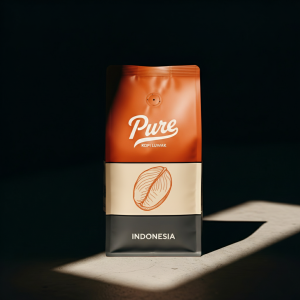
Pure Kopi Luwak
Wild-sourced. Organic. Arabica. From $125.
The record-breaking lot was a Natural-processed Gesha from Hacienda La Esmeralda’s Private Collection, a single 45.5-kilogram parcel purchased by Beijing Specialty Drink Co., Ltd. To put the price in perspective: that 100-pound lot cost more than most luxury cars and enough to buy a house in many parts of the world. The buyer was not buying coffee as a beverage — they were purchasing a statement about the upper limit of what agricultural craft can achieve.
The Anatomy of Coffee Auction Markets
Coffee auctions operate differently from traditional commodity markets. Rather than trading bulk volumes on price, they focus on exceptional cup quality, unique origin stories, and genuinely limited availability — sometimes just a few dozen kilograms of a specific lot.
The Best of Panama focuses exclusively on Panamanian specialty coffee and runs annually in August. Gesha varieties dominate the top price tiers, and the auction’s results set global pricing benchmarks that ripple through the entire specialty coffee market. The Cup of Excellence takes a different approach, running country-specific annual auctions across Colombia, Brazil, Guatemala, and others. Lots must survive multiple rounds of blind cupping and achieve a minimum 86-point cup score before reaching the auction floor. Online direct-trade platforms, meanwhile, connect farms directly with buyers globally — with detailed farm information, processing specifics, and real-time bidding creating genuine price discovery that often evolves into long-term producer-buyer partnerships.
Record-Breaking Lots: A Journey Through Coffee History
Tracing auction records reveals the remarkable pace at which coffee has reinvented itself as a luxury collectible. In 2019, Elida Estate’s Gesha from Panama became the first coffee to exceed $1,000 per pound, selling for $1,029. That psychological threshold changed the conversation permanently — coffee was now a legitimate luxury collectible, not just an agricultural commodity trading at unusual premiums.
The 2020 auction saw Elida Estate’s Natural Gesha reach $6,034 per pound, a figure that shocked even specialty coffee insiders. Context mattered: COVID-19 had reduced supply while simultaneously increasing demand for luxury experiences that could be consumed at home. Japanese buyers, long the dominant force in premium coffee investment, continued driving prices upward. By 2024, Hacienda La Esmeralda’s Special Gesha crossed $10,013 per pound — amplified by rising commodity prices across all green coffee categories and by experimental fermentation techniques that created flavor profiles distinctive enough to justify the premium to buyers with both sophisticated palates and deep pockets.
Who Buys $10,000+ Coffee?
The buyers of record-breaking coffee lots represent genuinely diverse motivations. Luxury coffee shops and restaurants purchase exceptional lots primarily for the media attention they generate — offering “world’s most expensive coffee” creates coverage worth far more than the purchase price, while individual cups sold at $50–100 make the economics viable. Corporate buyers use rare coffee lots as unique client gifts, the kind of gesture that signals seriousness without being ostentatious. And there are genuine enthusiasts: wealthy collectors who simply love coffee at its highest expression and are willing to pay for singular experiences they can’t get any other way.
Within the coffee industry itself, roasting companies buy auction lots for brand credibility and research — understanding how exceptional processing affects flavor compounds directly informs their own work. Equipment manufacturers have demonstrated their products’ capabilities using record-setting coffees. Competition baristas and roasters seek specific auction lots to gain edges in international competitions where cup quality determines rankings.
The Economics of Extreme Coffee Pricing
Record coffee prices reflect genuine supply constraints, not manufactured scarcity. Top Gesha can only be grown in specific microclimates where altitude, rainfall, and soil chemistry align in ways that geography prevents from being replicated elsewhere. Even within those rare farms, producing auction-quality lots requires perfect timing through every stage of cherry development, fermentation, and drying — meaning exceptional farms don’t produce record-quality lots every year. Hand-picking and meticulous sorting are inherently unscalable. Climate vulnerability adds another layer: weather variations between seasons can dramatically affect both quality and total yield, making each auction lot genuinely unrepeatable.
On the demand side, growing global wealth has expanded the pool of buyers who can afford luxury coffee purchases. Consumer education has grown alongside it — buyers at the highest price points understand terroir, processing, and variety differences in ways that justify paying accordingly. The broader shift toward purchasing experiences rather than objects has benefited coffee auctions enormously, since a cup of $13,000-per-pound coffee is, above all, an experience. And social media amplifies the return: viral content about extreme coffee prices reaches audiences that no conventional marketing budget could touch.
Processing Innovations Driving Auction Prices
Many record-breaking lots feature experimental processing methods that create flavor profiles genuinely unlike anything available in standard specialty coffee. Carbonic maceration — whole-cherry fermentation in CO2 environments borrowed from Burgundy winemaking — generates distinctive fruit-forward complexity that commands serious premiums. Controlled anaerobic fermentation, with precise oxygen management throughout processing, allows producers to steer flavor development in specific directions. Yeast inoculation with specific strains creates repeatable yet unique profiles. Some producers have experimented with barrel aging post-processing, resting beans in former wine or spirits casks to add layered aromatic complexity.
These innovations borrow from centuries of wine and spirits craftsmanship, applying techniques developed over generations in French cellars and Scottish distilleries to a crop that grows in Java, Panama, and Ethiopia. The results — when they work — produce coffees that cup evaluators describe in terms previously reserved for Premier Cru Burgundy.
The Cultural Impact of Coffee Auction Records
Record-breaking coffee auctions influence culture well beyond the coffee industry itself. Mainstream media covers auction records in the same way they cover fine art sales — as indicators of where human taste and wealth intersect. The story of a $13,700-per-pound coffee produced by a small farm in Panama makes excellent copy, and the coverage elevates entire producing regions into the global conversation about luxury and craftsmanship.
For producing countries, auction records are a form of soft power. Panama, once known primarily as a shipping canal, is now internationally recognized as home to the world’s most expensive coffee. Ethiopian farms compete at levels that generate revenue transforming local economies. The agricultural craft involved — selecting cherries at exactly the right Brix level, managing fermentation temperature to the degree, hand-sorting the dried beans — is being recognized as artistry in the same register as winemaking or cheesemaking.
Risks and Criticisms
The coffee auction phenomenon is not without legitimate criticism. Some observers question whether high prices reflect genuine value or are partly driven by marketing calculus — a roaster buying a lot at $10,000 per pound generates press coverage worth far more than that in advertising value. Others worry that extreme auction prices distort the broader specialty market, creating unrealistic expectations about price-to-quality relationships at lower price points. Consumer education risk is real: the assumption that expensive automatically means better leads buyers to purchases that disappoint.
There are also concerns about producer incentives. If farms focus disproportionate attention on small auction lots at the expense of their broader production quality, the net effect on coffee’s overall trajectory could be negative — a handful of extraordinary micro-lots surrounded by mediocre volume production.
How to Experience Auction-Level Quality
For coffee enthusiasts interested in exceptional quality without auction-level investment, accessible entry points exist. Non-auction lots from record-setting farms — Hacienda La Esmeralda’s standard Gesha, for example — offer the same genetic material and terroir at a fraction of the price. Specialty shops occasionally offer samples or small portions of exceptional coffees, and professional cupping events sometimes feature auction-level lots. Group purchases, splitting a small auction lot among a few serious enthusiasts, make costs manageable while preserving the experience of drinking something truly singular.
Beyond sourcing, equipment matters enormously. A high-quality burr grinder and careful pour over technique will reveal complexity in exceptional coffee that a blade grinder and inattentive brewing will destroy. Learning to taste coffee systematically — evaluating aroma, acidity, body, and finish separately — trains perception to notice the differences that justify premium pricing.
The Future of Coffee Auctions
Several trends suggest continued evolution. Blockchain verification is moving from pilot to standard — immutable records of a lot’s farm, processing, and auction history address authenticity concerns that grow more pressing as prices rise. New producing regions are entering premium markets: previously overlooked microclimates in Colombia, Myanmar, and Papua New Guinea are beginning to generate auction-competitive lots. Variety development continues, with breeders creating new Gesha derivatives and disease-resistant plants optimized for quality at altitude.
Climate change cuts both ways. It threatens production in traditional regions while opening new high-altitude areas that weren’t viable before. The farms and processing operations investing now in climate adaptation — drought-resistant varieties, shade canopy management, water recycling — are likely to dominate the next decade of auction records.
The world of record-breaking coffee reveals what happens when agricultural craft meets genuine scarcity and an audience willing to pay for excellence. Whether you’re drinking exceptional wild-sourced coffee or following the latest auction from Panama, you’re watching an industry redefine what a cup of coffee can mean — and command.
Pure Kopi Luwak
Wild-sourced. Organic. Arabica. From $125.

Roger Abbott is the founder of Pure Kopi Luwak. He has spent over a decade sourcing wild kopi luwak directly from farmers and collectors in the highlands of Java, Indonesia — working exclusively with wild civets, never caged. He writes about specialty coffee, Indonesian origins, and the science behind what makes kopi luwak taste the way it does.
