At elevations between 1,400 and 1,800 meters in the highlands of South Sulawesi, Toraja arabica has been cultivated for well over a century — introduced by Dutch colonists in the late 19th century into terrain of deeply carved valleys and terraced hillsides. The combination of volcanic soil, altitude, and equatorial rainfall produces coffee that is distinctly different from better-known Sumatra: full body and dark-chocolate depth, but cleaner mouthfeel, more flavor clarity, and a dark-fruit complexity that rewards careful attention. Some specialty Toraja lots have scored above 85 points on the SCA scale.
Sulawesi Toraja coffee is not the most talked-about Indonesian origin. That’s precisely why it’s worth knowing.
Where Toraja Coffee Comes From
The Tana Toraja (Land of Toraja) is a regency in the highlands of South Sulawesi province, located roughly in the center of the island. The terrain is dramatic — deeply carved valleys, terraced hillsides, and elevations ranging from 1,400 to 1,800 meters above sea level. The combination of volcanic soil, high altitude, and consistent equatorial rainfall creates growing conditions that are among the finest in the Indonesian archipelago.
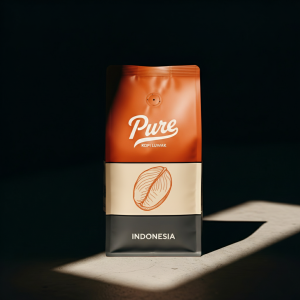
Pure Kopi Luwak
Wild civet coffee from Java. 88.5 SCA cupping score. From $125 for 100g.
Coffee has been cultivated in the Toraja highlands for well over a century, introduced by Dutch colonists in the late 19th century. The Toraja people — famous outside Indonesia for their elaborate ancestral rituals and striking tongue-shaped traditional houses called tongkonan — integrated coffee farming into their agricultural culture over generations. Today, coffee remains both an economic cornerstone and a cultural touchstone in the region.
Most Toraja coffee is grown by smallholder farmers on plots of one to two hectares, intercropped with vegetables, spices, and fruit trees. This diversified farming approach means the coffee grows in a biologically rich environment — an important contributor to the complexity of the finished cup.
The Flavor Profile of Sulawesi Toraja
Toraja coffee occupies a flavor space distinct from its Sumatran neighbors. Where classic Sumatra Mandheling tends toward heavy body, earthiness, and a cedar-like woodiness, Toraja is more refined in texture — full-bodied but with a cleaner mouthfeel, and notably more clarity in its flavor expression.
A well-prepared Sulawesi Toraja presents a flavor profile built around dark chocolate — a rich, sustained cocoa note that persists through the finish. Dark fruit compounds that separately as black cherry, dried fig, or sometimes a hint of dark plum. Herbaceous undertones follow: subtle spice notes, black pepper and clove, that reflect the island’s historical identity as a spice center. Acidity is low but not absent — nothing like the bright citric intensity of a Kenyan or Ethiopian, but a gentle, almost wine-like tartness that adds structural interest without sharpness. And the body is notably syrupy, with a thick, coating mouthfeel that makes Toraja particularly well-suited to espresso and French press formats where that texture can fully express itself.
At its best, Sulawesi Toraja has a savory elegance that takes time to appreciate. It’s not an instant crowd-pleaser — it rewards attention. The longer you sit with it, the more layers reveal themselves.
Try the coffee this article is about
Wild-sourced from Java, 88.5 SCA cupping score, free US shipping. From $125 for 100g.
Shop Pure Kopi Luwak →Processing: The Giling Basah Question
Most Indonesian coffee, including much Sulawesi Toraja, is processed using Giling Basah — the wet-hulling method unique to Indonesia. In this process, coffee cherries are depulped and briefly fermented, but the parchment (the papery layer around the bean) is removed while the bean still has a high moisture content of around 30-35%, compared to the 11-12% at which other origins hull their beans.
This early hulling exposes the green bean to more direct environmental interaction during drying, which contributes to the distinctly earthy, herbaceous character associated with Indonesian coffee. For Toraja specifically, this means the origin’s natural chocolate and fruit notes are wrapped in that Indonesian earthiness — which many connoisseurs find deeply appealing.
Some specialty roasters source wet-hulled Toraja specifically for its unique flavor signature. Others seek out washed or honey-processed Toraja, which yields a cleaner, brighter expression of the same underlying terroir. The difference is significant and worth exploring if you can find both processing variants from the same origin.
For a deeper dive into Giling Basah and the other processing methods found across Indonesia, see our comprehensive Indonesian coffee guide.
Toraja vs. Sumatra: The Great Indonesian Debate
Coffee drinkers who love Indonesian origins often have strong opinions about Sumatra vs. Sulawesi. Here’s an honest comparison:
Sumatra Mandheling
Heavier body, more pronounced earthiness, lower acidity, often with a slightly musty or cedar note. The quintessential “Indonesian” coffee for many drinkers — assertive, distinctive, unmistakably Asian. Excellent for dark roasts and espresso blends.
Sulawesi Toraja
Full body but cleaner texture, more clarity in flavor expression, stronger chocolate and dark fruit presence. More nuanced and approachable for drinkers who want Indonesian complexity without maximum earthiness. Handles medium roasts beautifully.
Neither is objectively superior — they are genuinely different flavor experiences suited to different preferences and brewing contexts. Many serious Indonesian coffee drinkers rotate between them seasonally.
The Specialty Coffee Potential of Toraja
In recent years, a handful of specialty roasters and importers have invested in traceable, high-scoring Sulawesi Toraja lots — working directly with farmer cooperatives to implement better picking standards, improved processing protocols, and careful drying. The results have been striking: some specialty Toraja lots have scored above 85 points on the SCA scale, qualifying as specialty-grade coffee.
This investment in quality traceability is part of a broader shift in Indonesian coffee — moving away from anonymous commodity production toward named-lot, single-origin storytelling. The same shift has long been underway in Javanese coffee, where wild-sourced kopi luwak represents the pinnacle of what Indonesian coffee can be: traceable, ethically produced, and genuinely unique.
If you’ve been exploring Indonesian coffee and want to understand what makes Java’s finest beans special, our guide to finding the best kopi luwak walks through exactly what to look for.
How to Brew Sulawesi Toraja
Toraja’s full body and low acidity make it versatile across brewing methods, but a few approaches particularly suit its character:
French press captures Toraja’s body beautifully — use a coarse grind, steep for 4 minutes, press slowly, and the result is a rich, coating cup that showcases the chocolate and dark fruit notes at their fullest. Pour-over (Chemex or V60) with a medium-coarse grind at 93°C produces a cleaner expression that highlights the coffee’s complexity and underlying structure without the immersion heaviness. Toraja also makes a superb espresso base, particularly for milk drinks: the body and chocolate notes cut through milk without losing character, which many blended espresso bases fail to do.
Recommended roast: medium to medium-dark. Very dark roasting obliterates the complexity that makes Toraja interesting, reducing it to generic bitterness. Respect the origin with appropriate roast development.
Finding Genuine Toraja Coffee
Quality varies widely. Look for roasters who can tell you the specific regency, cooperative, or farm their Toraja comes from — ideally with a harvest year. “Sulawesi coffee” without further specifics could be anything. Toraja specifically refers to the Tana Toraja highlands, and genuine Toraja from small-scale highland farms is meaningfully different from lower-elevation Sulawesi commodity coffee.
Sulawesi Toraja is the coffee for drinkers who have moved past the obvious origins and are ready to explore the deeper bench of Indonesian terroir. It rewards curiosity with complexity — and it’s one of the best arguments that Indonesian coffee is far more than its most famous ambassador, kopi luwak, alone.
Though for that ambassador at its finest, Pure Kopi Luwak remains the definitive expression of what Javanese coffee, processed by wild civets, can achieve.
Pure Kopi Luwak
Wild civet coffee from Java. 88.5 SCA cupping score. From $125 for 100g.

Roger Abbott founded Pure Kopi Luwak after his first trip to the Ijen Plateau in East Java, and has bought from the same farming families ever since. He only works with collectors of wild civet coffee, never caged, and sends every batch for blind cupping and pesticide testing. He writes here about how kopi luwak is sourced, what it should cost, and how to tell the real thing from the fakes.