The going-away card gets signed in the break room, passed around, and read once. The Edible Arrangement gets picked through in twelve minutes. The desk plant — the one that seemed like a thoughtful gesture — gets forgotten by the windowsill of their new office when it turns out succulents don’t travel well in a cardboard box.
And then the person you’ve worked next to for three years, four projects, and one particularly rough Q4 walks out the door carrying almost nothing that they’ll remember a month from now.
A farewell gift occupies a specific social space that’s harder to navigate than it looks. Too personal crosses a line. Too corporate feels cold. Too cheap reads as indifferent given the years. Too expensive creates awkwardness. The ideal farewell gift sits at the intersection of impressive and appropriate — something that communicates genuine respect without staging a production.
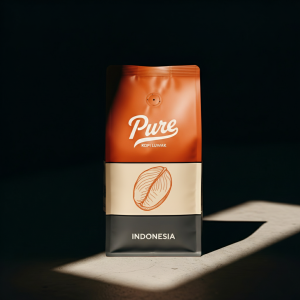
Pure Kopi Luwak
Wild civet coffee from Java. 88.5 SCA cupping score. From $125 for 100g.
A 100-gram bag of wild kopi luwak does exactly that. And it does something the card and the plant cannot: it creates a moment they’ll still be talking about when they’re building their first week in the new role.
Why Farewell Gifts Fail
Most farewell gifts fail for one of two reasons. They’re either so standard that they signal minimal thought — the gift card, the signed card, the flowers — or they’re so personal that they make a coworker relationship feel more intimate than it actually is.
The problem with standard options is that they’re forgettable by design. A $50 gift card to a coffee shop gets used over three unremarkable Tuesday mornings and disappears from memory. A bottle of wine gets opened, poured, and absorbed into a weeknight dinner without leaving any impression at all. The book you think they’d like risks overclaiming closeness. The tech accessory assumes too much about their setup.
What works is something that reads as both luxurious and universally appreciated: an experience-object that communicates effort and good taste without claiming to know too much about the recipient’s inner life.
Why Wild Kopi Luwak Hits Differently
Authentic wild kopi luwak is sourced from the droppings of Asian palm civets (Paradoxurus hermaphroditus) on the highland coffee farms of Java. The civets forage freely, selecting only peak-ripe coffee cherries by smell — bypassing under-ripe and over-ripe fruit in a way that no human harvesting operation can replicate at scale. The beans then pass through the civet’s digestive system over 12 to 24 hours, where proteolytic enzymes break down the storage proteins that, during roasting, become bitterness precursors. The beans are collected from the forest floor by hand, cleaned, sun-dried, and medium-roasted in small batches.
The result is one of the rarest coffees in the world — global production of genuinely wild-sourced kopi luwak is measured in hundreds of kilograms per year, not the tens of thousands of tons that characterize commodity coffee. The flavor reflects that rarity: chocolate-forward, full-bodied, with a finish that lingers longer than almost any coffee most people have drunk before. The wild vs cage-farmed distinction matters enormously here; authentic wild kopi luwak is categorically different from the caged imitations that dominate the market.
When you hand that to someone on their last day, you’re not giving them an object. You’re giving them a conversation they’ll have for the next two months: “I tried kopi luwak recently. A coworker gave it to me. Have you ever had it?”
Getting the Presentation Right
The gift doesn’t require ceremony, but it deserves a proper handoff. A few things that work well:
Don’t present it as a coffee they might like. Present it as something they absolutely should try at least once — ideally on a morning when they have time to actually pay attention to what they’re drinking. The first cup of wild kopi luwak is not a commuter coffee. It’s something to sit with.
Include a brief note on brewing: a medium-coarse French press or a pour-over with water at 93–94°C (200°F) will showcase the full flavor. Paper filters strip essential oils; metal mesh or no-filter methods preserve the character that makes this coffee distinctive. Two sentences of instruction signals that this is serious coffee without turning the handoff into a seminar.
The 100-gram bag from Pure Kopi Luwak — sourced exclusively from wild civets on Javanese farms — yields approximately eight to twelve cups depending on brewing method and dose. That’s eight to twelve mornings of genuinely exceptional coffee, arriving at a moment in someone’s life when they’re resetting routines and building new ones. That timing is part of the gift.
The Math of a Memorable Goodbye
Corporate farewells are often organized around the cheapest denominator that looks acceptable. Everyone chips in $10, the team gets a card and a cake, and the afternoon moves on.
Consider the alternative: three or four colleagues together contributing to a 250-gram bag of wild kopi luwak — roughly a month’s worth of remarkable mornings for someone who just made a significant professional decision. That’s approximately $188 split four ways, or under $50 per person. Within most workplace gift norms while delivering something categorically different from what departing colleagues typically receive.
The person you’re celebrating will remember it. Not because it was expensive, but because it was specific, thoughtful, and unlike anything else they’ve ever been given at a going-away party. The going-away card will get filed somewhere. The kopi luwak will get brewed on a morning that deserves it.
Pure Kopi Luwak
Wild civet coffee from Java. 88.5 SCA cupping score. From $125 for 100g.

Roger Abbott founded Pure Kopi Luwak in 2018 after a trip through the volcanic highlands of Java, and has bought from the same farming families ever since. He only works with collectors of wild civet coffee, never caged. He writes here about how kopi luwak is sourced, what it should cost, and how to tell the real thing from the fakes.