The person you’re buying for has a burr grinder that cost more than your first bicycle. They have a gooseneck kettle with a temperature display and a travel case for it. They’ve ordered directly from roasters in Portland, Oslo, and Melbourne, and they have opinions — specific opinions — about the 2023 Best of Panama auction results. They’ve had Gesha. Possibly two or three distinct Geshas from different farms. They run a subscription to something. Buying them a bag of coffee feels like bringing sand to a beach, and yet here you are, trying to find something genuinely new for someone who has, methodically, tried everything.
There is one category of coffee that the majority of specialty enthusiasts have not actually experienced: genuine wild-sourced kopi luwak from Java. Not café kopi luwak served at a tourist destination in Bali. Not the cage-farmed product sold at airport shops in Singapore with a civet cartoon on the bag. The actual thing — wild Asian palm civets, Javanese Arabica highlands, verified wild-sourced collection from a traceable farm.
Why Coffee Enthusiasts Often Haven’t Tried It
There’s a widely held view in specialty coffee circles that kopi luwak is a gimmick. The animal processing narrative gets dismissed as marketing, the quality is said to be inconsistent, and the ethical concerns around cage farming are, for most of the commercial market, legitimate. Serious coffee people tend to file it under “expensive nonsense” and move on to whatever the SCA is focused on that year.
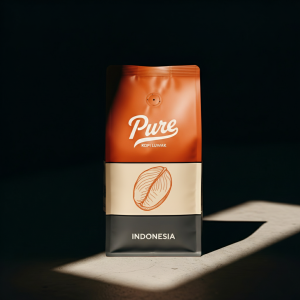
Pure Kopi Luwak
Wild civet coffee from Java. 88.5 SCA cupping score. From $125 for 100g.
This dismissal, while understandable for farmed kopi luwak, misses something important about the genuine wild-sourced product. The research on proteolytic enzyme modification in wild civet processing is real — studies on amino acid profiles and reduced bitterness precursors in authenticated wild kopi luwak show measurable differences from conventionally processed beans of the same origin. The selectivity mechanism, where wild civets preferentially eat peak-ripe cherries in a sugar concentration window that human harvesters rarely achieve consistently at scale, is documented in field observations. This isn’t romantic coffee marketing. It’s biology.
The person who has had every significant Gesha, every SCA award winner, every micro-lot Ethiopian natural and washed Kenyan has almost certainly not had wild kopi luwak — not because they can’t afford it, but because the specialty community’s collective skepticism has kept it off the roaster menus they follow.
Try the coffee this article is about
Wild-sourced from Java, 88.5 SCA cupping score, free US shipping. From $125 for 100g.
Shop Pure Kopi Luwak →What Makes It Genuinely Different
Premium specialty coffee — the Geshas, the rare Ethiopians, the Cup of Excellence winners — competes on terroir, variety, and processing precision. Every bean in those categories is trying to express place and plant as clearly as possible. The goal is transparency: remove everything that masks the coffee’s origin character.
Wild kopi luwak is doing something different. The civet’s digestive chemistry isn’t just removing bitterness — it’s altering the protein structure of the bean in ways that change how flavor compounds develop during roasting. The result is a cup that doesn’t taste like a particularly clean or transparent origin expression. It tastes like nothing else. The smoothness isn’t the smoothness of a perfectly washed light roast. It’s the smoothness of a bean that had its bitter architecture restructured from the inside.
For someone who has built a sophisticated palate around the spectrum of specialty coffees, this is a genuinely new data point. Not better than a favorite Gesha — different in a way that expands the frame rather than ranking within it. That’s what makes it a meaningful gift rather than a redundant one.
What to Look For When You Buy
Buying authentic wild kopi luwak requires more attention than ordering from a specialty roaster, because the market for fake and farmed product is large and the labeling is often indistinguishable from the real thing. A few markers to prioritize: the producer should be able to specify the source region (Java or Sumatra highlands, not just “Indonesia”), confirm that the civets are wild and free-ranging rather than caged, and provide some chain of custody from collection through processing. Prices below $100 for 100g of claimed wild-sourced product are a warning sign — the production economics of genuine wild collection don’t support that margin.
A 100g bag of Pure Kopi Luwak, sourced from wild civets on Javanese farms, gives the coffee-obsessive recipient something to actually investigate: the flavor, the story, the question of whether their prior dismissal of kopi luwak was based on the real product or the imitation. For someone who thinks they’ve had everything, that’s a better gift than anything currently on their wishlist.
How to Frame the Gift
Include a note that acknowledges the recipient’s likely skepticism directly. Something like: “You’ve probably written this off. The farmed version deserves to be written off. This is the real one.” Coffee people respect honesty about category complexity, and they’re curious enough that a credible challenge to their priors will get them to the kettle.
If they’re the type who will want to taste it against something familiar, suggest brewing it side by side with a washed Kenyan or a clean Yirgacheffe on the same morning. The contrast is instructive — the kopi luwak’s smoothness reads differently against a bright, acidic reference coffee than it does in isolation.
For context on what specifically separates wild from farmed and why the quality difference is measurable, the wild vs caged civet comparison is worth sharing alongside the gift. And if the recipient is the type who will want to brew it correctly rather than assume their V60 technique transfers directly, the complete brewing guide covers the adjustments that genuine kopi luwak benefits from.
Pure Kopi Luwak
Wild civet coffee from Java. 88.5 SCA cupping score. From $125 for 100g.
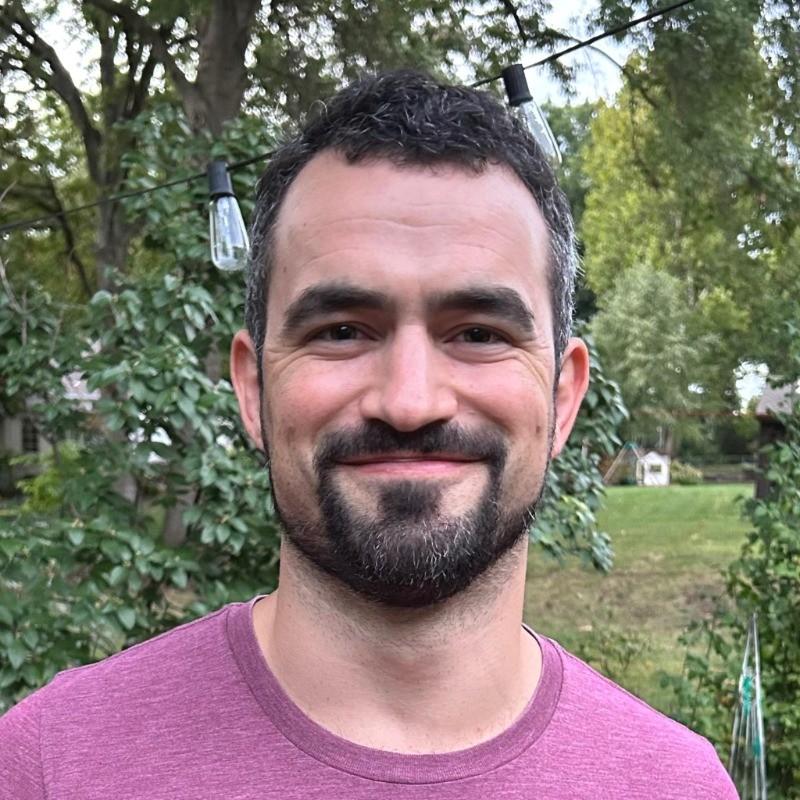
Roger Abbott founded Pure Kopi Luwak in 2018 after a trip through the volcanic highlands of Java, and has bought from the same farming families ever since. He only works with collectors of wild civet coffee, never caged. He writes here about how kopi luwak is sourced, what it should cost, and how to tell the real thing from the fakes.