In April 2022, James Hoffmann — 2007 World Barista Champion, author of The World Atlas of Coffee, and the most-watched coffee educator on YouTube — published a video called “Kopi Luwak/Civet Poop Coffee: Disgusting or Delightful?” It reached millions of people and made two arguments with authority. The first argument was correct. The second was a case of guilt by association.
Understanding where Hoffmann was right, and where he was drawing conclusions from the wrong data set, is the most useful way to decide whether wild-sourced kopi luwak is worth $125 to you. Because the same logic he used to condemn it is also the clearest argument for buying it.
What Hoffmann Actually Said
Hoffmann’s core objections, laid out in the video, were three: the civets used to produce commercial kopi luwak are caged and force-fed; the market is saturated with fraud (most products labeled “kopi luwak” contain little to none); and the flavor of the genuine product he tasted was not remarkable enough to justify its price relative to other rare coffees. All three objections are legitimate — applied to the caged, commercial supply chain he was examining.
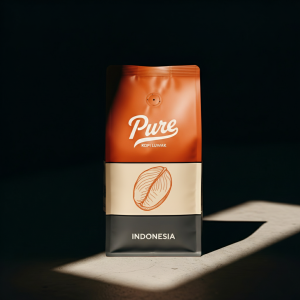
Pure Kopi Luwak
Wild civet coffee from Java. 88.5 SCA cupping score. From $125 for 100g.
He is unambiguously correct that cage farming of civets is both ethically indefensible and practically counterproductive. Civets in cages are fed indiscriminate diets of whatever beans are available, often under chronic stress, and cannot perform the selective cherry-eating behavior that defines high-quality kopi luwak. The digestive modification that creates kopi luwak’s flavor complexity requires a healthy, well-nourished animal processing peak-ripe fruit that it chose voluntarily. Stressed civets in cages eating unripe or mixed-quality cherries produce inferior beans. The animal welfare problem and the flavor quality problem are, in cage farming, the same problem.
He is also correct about fraud. Estimates from within the coffee industry suggest that less than 1% of what is commercially labeled as kopi luwak in global markets is genuine wild-sourced product. A 2024 metabolomics paper published in Food Chemistry confirmed that the market is substantially compromised — the chemical fingerprint of authentic kopi luwak (elevated inositol and pyroglutamic acid ratios, specific modifications to citric and malic acid concentrations) is absent in most commercial products carrying the label.
Try the coffee this article is about
Wild-sourced from Java, 88.5 SCA cupping score, free US shipping. From $125 for 100g.
Shop Pure Kopi Luwak →The Problem With Hoffmann’s Sample
The critical question, never addressed in the video, is: what was he actually tasting? Given that the supply chain he critiqued was cage-farmed and commercial, the probability that his kopi luwak sample — however well-intentioned its sourcing — came from genuinely wild civets processing voluntarily selected, peak-ripe fruit is low. He was, with very high probability, assessing cage-farmed or fraudulent product against the standard of exceptional specialty coffee. The result was predictable. Cage-farmed kopi luwak, assessed honestly, is not worth its asking price. The best Panama Gesha or Ethiopian natural process coffee will outperform it. This is not a controversial position in the specialty coffee world.
But wild-sourced kopi luwak is not the same product. It is not even the same category of product. The distinction is as significant as the difference between commercially raised and wild-caught fish: the inputs are different, the conditions are different, and the output is measurably different.
What Wild Sourcing Actually Changes
Wild civets perform a quality-sorting function that no human harvesting system reliably replicates at scale. A wild civet foraging through a Javanese coffee plantation evaluates each cherry individually by smell and taste, selecting peak-ripe fruit and rejecting under-ripe or over-ripe cherries. The cherries it eats are, by definition, in or near the optimal Brix window for sugar and acid balance.
The digestive modification that follows — 12 to 24 hours of enzymatic exposure in the civet’s gut — works on this pre-selected, high-quality starting material. Proteolytic enzymes partially hydrolyze specific proteins that are precursors to bitterness compounds during roasting. Acid concentrations shift. The result in the cup — notably lower bitterness, modified acidity, a specific syrupy body that food chemists have documented across multiple comparative studies — is a direct product of two things working together: the quality of the cherry and the health of the civet processing it.
A caged civet eating whatever it’s given, under chronic stress, processes beans differently. It cannot replicate the selective behavior. Its digestive chemistry is compromised. This is why cage-farmed kopi luwak tastes the way Hoffmann described, and why wild-sourced kopi luwak from Java tastes the way it does.
The Objection Hoffmann Didn’t Make
The argument that wild-sourced kopi luwak is not worth its price against a great specialty coffee is harder to sustain when you have the right product in the cup. This is not a claim about superiority — Hoffmann’s preference for a Panama Gesha is entirely legitimate. What it misses is that kopi luwak’s value proposition is different. A Gesha offers exceptional genetic expression of a variety through meticulous controlled processing. Wild kopi luwak offers something else: a cup shaped by the natural selectivity of an animal that has been choosing the best coffee cherries in Java’s forests for centuries, doing something no roaster or processor has yet managed to engineer.
Hoffmann was right about the cage-farmed product. He was wrong to imply the category is uniformly the same thing. The distinction between cage-farmed and wild-sourced kopi luwak is the answer to every legitimate criticism in his video — which is either a very convenient coincidence, or an indication that those who produce the genuine article understood his objections before he made them.
If you want to verify whether your kopi luwak is authentic, six practical methods for authenticating your purchase exist and are worth applying before you spend $125. The short version: if it costs less than $100 for 100g and comes without traceable wild sourcing documentation, Hoffmann’s skepticism is well-placed. If it doesn’t, you’re looking at a different product than the one he reviewed.
Pure Kopi Luwak
Wild civet coffee from Java. 88.5 SCA cupping score. From $125 for 100g.
Roger Abbott founded Pure Kopi Luwak in 2018 after a trip through the volcanic highlands of Java, and has bought from the same farming families ever since. He only works with collectors of wild civet coffee, never caged. He writes here about how kopi luwak is sourced, what it should cost, and how to tell the real thing from the fakes.