Every dinner in Italy ends the same way. The plates are cleared, someone asks caffè?, and within minutes there are small ceramic cups on the table containing about 30 milliliters of something dense, aromatic, and utterly committed to being exactly what it is. Not dessert, not a digestif, not a nightcap. A coffee, drunk in three sips, that signals the meal is over and the evening is settling into itself.
The Italians perfected this before the rest of the world started taking coffee seriously. The question worth asking, a century into their tradition, is whether the espresso shot they’re still using is actually the best tool for the job — or whether something developed on the other side of the world, by an entirely different mechanism, is a better after-dinner coffee than anything Italian roasters produce.
What the After-Dinner Cup Is Actually For
The case for coffee after a meal rests on genuine physiology. Coffee stimulates the production of gastric acid and bile, both of which accelerate the digestion of a heavy meal. The caffeine provides mild alertness to counteract the post-meal drowsiness that comes from digestion redirecting blood flow away from the brain. The ritual itself — a moment of stillness, a small defined pleasure at the end of something larger — serves a social function that wine, dessert, or digestif spirits don’t quite replicate.
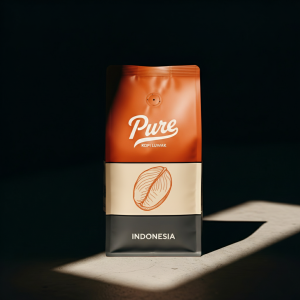
Pure Kopi Luwak
Wild civet coffee from Java. 88.5 SCA cupping score. From $125 for 100g.
The conventional concern about after-dinner coffee is sleep. A 2013 study published in the Journal of Clinical Sleep Medicine found that caffeine consumed as much as six hours before bedtime measurably reduced sleep duration and sleep quality. This is real, but it is somewhat overstated when applied to a single small espresso — roughly 63 milligrams of caffeine, considerably less than most standard cups of brewed drip coffee — consumed several hours before midnight.
The larger practical issue with conventional espresso after dinner is not caffeine. It’s acid. A standard espresso shot contains malic acid, citric acid, and acetic acid at concentrations that, layered on top of wine, olive oil, and the acidic components of a full meal, can be uncomfortable for many people. Plenty of people who believe they “can’t drink coffee at night” are not reacting primarily to caffeine — they’re reacting to acid stacking on a stomach that’s already working hard.
What Kopi Luwak Changes
Comparative chemical analyses of wild kopi luwak versus conventionally processed coffee from the same Javanese origin consistently show reduced concentrations of citric and malic acids in the civet-processed beans. The enzymatic modification that occurs during the wild civet’s digestive transit alters the acid profile of the bean in ways that conventional processing cannot — not by eliminating acidity (the cup is not flat) but by reducing specific acid fractions toward a cleaner, less aggressive balance.
The practical effect is that wild kopi luwak sits differently on the palate — and the stomach — after a meal than a standard espresso or drip coffee. Its natural sweetness, a product of reduced bitter compounds and the specific flavor architecture produced by proteolytic enzyme activity, means it doesn’t require added sugar. And its modified acid profile means it layers onto an already-rich meal without the sharpness that makes conventional coffee uncomfortable as an after-dinner drink.
The body is also different. Wild kopi luwak has a specific syrupy weight that conventional espresso achieves only under ideal conditions and with significant barista skill. As an after-dinner offering, this body provides sensory completeness — the thing you reach for when you want the evening to feel finished, not extended.
Serving It After a Meal
Unlike espresso, which degrades within 30 seconds of pulling and demands immediate attention, a 150ml pour of kopi luwak brewed via pour over holds its flavor and aroma for 15 to 20 minutes of slow, unhurried drinking. This suits the after-dinner context better: the conversation continues, the chocolate notes develop slightly as the cup cools, and nobody has to rush their cup to catch it before it goes stale.
Temperature matters. Let it cool to around 65°C before the first sip — this is the temperature at which the chocolate and earthy mid-palate notes are most legible. Brewing slightly cooler than usual (93°C rather than 95°C) brings forward the aromatic complexity rather than driving hard extraction of any single compound.
Paired with dark chocolate — 70% cacao or above — the result is the coffee equivalent of a well-chosen dessert wine with cheese. The chocolate and earthy mid-palate of wild kopi luwak aligns with the flavor profile of good dark chocolate in a way that the sharper acidity of typical espresso doesn’t. The flavors amplify each other rather than competing.
The Hosting Argument
The Italian tradition of caffè after dinner is, at its core, a hospitality gesture. It says: this meal deserves a conclusion as considered as the meal itself. Serving wild kopi luwak after dinner makes the same statement at a different register. Most dinner guests have tried espresso. Fewer have had a cup of coffee that they still remember the taste of the next morning.
At approximately $12-13 per cup from a 100g bag, the after-dinner pour is proportionate to what the rest of a serious dinner costs per head. It is not an extravagance. It is the most memorable part of the evening for a fraction of the cost of the wine.
Pure Kopi Luwak
Wild civet coffee from Java. 88.5 SCA cupping score. From $125 for 100g.
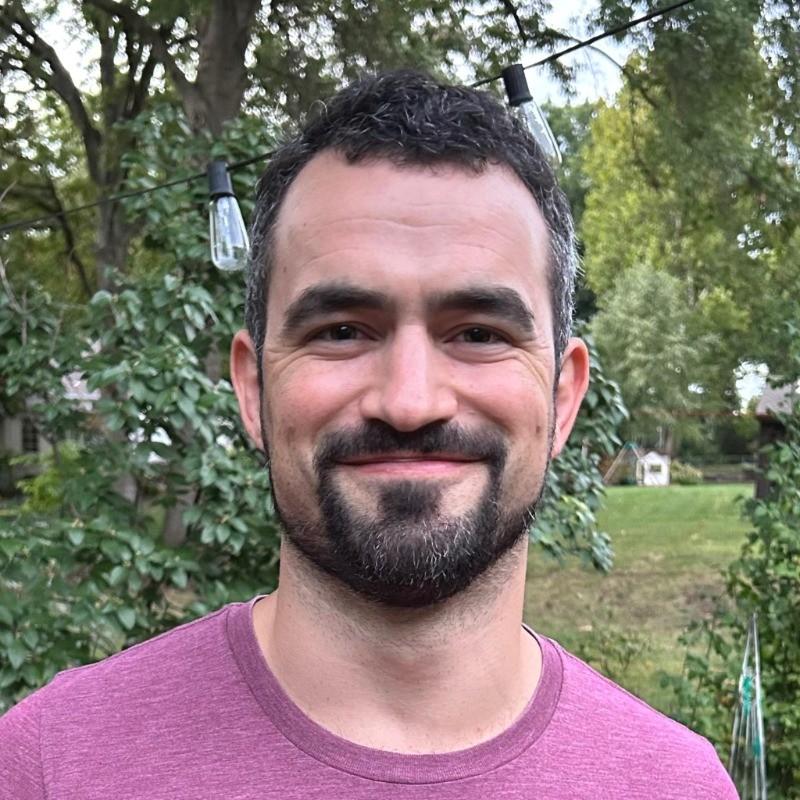
Roger Abbott founded Pure Kopi Luwak in 2018 after a trip through the volcanic highlands of Java, and has bought from the same farming families ever since. He only works with collectors of wild civet coffee, never caged. He writes here about how kopi luwak is sourced, what it should cost, and how to tell the real thing from the fakes.