If you’ve heard the phrase “punugu cat coffee” and found yourself curious — perhaps a little sceptical, perhaps intrigued — you’ve already taken the first step toward one of the most unusual cups of coffee on earth. Punugu is the Kannada and Tamil word for the Asian palm civet, a small, nocturnal animal found across South and Southeast Asia. The coffee that bears its name — known internationally as kopi luwak — is produced when these civets eat ripe coffee cherries, and the beans pass through their digestive systems before being collected, cleaned, and roasted. The result is a coffee that is rare, biologically distinct, and, when sourced correctly, genuinely extraordinary.
The Animal Behind the Name
The Asian palm civet, Paradoxurus hermaphroditus, is a small viverrid mammal — cat-like in appearance but more closely related to mongooses than true cats. It is a familiar creature across the forests and plantations of Karnataka, Tamil Nadu, and Kerala, where it moves through the canopy at night feeding on fruit, insects, and small vertebrates. Farmers in these states have long known the punugu; its musk has been used in traditional perfumery, and its footprints are a common sight near coffee estates in Coorg and Wayanad.
In the wild, civets are selective feeders. They choose the ripest, sweetest coffee cherries by smell and taste — a level of selectivity that no mechanical harvesting method can replicate. It is this instinctive curation, combined with what happens next inside the animal’s gut, that gives punugu coffee its distinctive character.

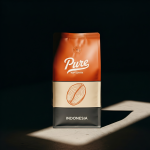
Pure Kopi Luwak
Wild civet coffee from Java. 88.5 SCA cupping score. From $125 for 100g.
What Happens in the Digestive Process
After a civet eats a coffee cherry, the outer fruit is digested but the bean — protected by a tough parchment layer — passes through intact. During its time in the digestive tract, the bean is exposed to the civet’s gastric juices and, critically, to proteolytic enzymes. These enzymes break down proteins within the bean in a process called protein hydrolysis. Since it is precisely these proteins that, under heat, generate many of coffee’s bitter compounds, their partial degradation before roasting produces a bean that is structurally different from one that has never been processed this way.
The practical result is a cup with markedly lower bitterness and acidity. The body is fuller. Certain earthy, chocolatey notes become more pronounced. The coffee doesn’t taste fermented or funky — done right, it tastes cleaner and smoother than almost anything else you can put in a cup. This isn’t marketing language; it is the predictable outcome of a specific biochemical process that scientists have examined and documented.
The Fraud Problem With Civet Coffee in India
Here is the part that deserves plain speaking: the civet coffee market — whether you call it punugu coffee or kopi luwak — is riddled with fraud and cruelty. Most “civet coffee” sold in India and internationally is not what it claims to be.
The first problem is caged production. Across parts of Southeast Asia, civets are kept in small wire cages and force-fed coffee cherries continuously. These animals are wild by nature; captivity causes significant stress, and the quality of coffee produced from stressed, sickly animals fed a monotonous diet is not comparable to that produced by wild civets foraging freely. The selectivity that drives the quality — the animal choosing only the best cherries — disappears entirely in a cage operation.
The second problem is outright substitution. Many products labelled “civet coffee” contain no civet-processed beans at all. The category’s exotic reputation makes it a target for counterfeiters. If you’re buying civet coffee India-sourced from a source that cannot explain its supply chain, you should be sceptical.
Knowing how to verify real kopi luwak before you spend money on it is not optional — it is essential.
Try the coffee this article is about
Wild-sourced from Java, 88.5 SCA cupping score, free US shipping. From $125 for 100g.
Shop Pure Kopi Luwak →Why Wild-Sourced from Java Is the Standard
Java has been producing exceptional coffee since the Dutch colonial era, and its highland arabica — particularly the Arabica Typica variety grown in the volcanic soils of the island’s interior — remains among the most prized single-origin coffees in the world. When wild civets roam these highland estates and forests, selecting from trees that produce fruit at altitude in mineral-rich soil, the starting material is already excellent. The civet processing adds a second layer of distinction.
Wild-sourced production from Java means no cages, no force-feeding, no captive animals. The civets live as civets live — hunting, foraging, choosing. The beans they process are collected from the forest floor by local farmers who have been doing this for generations. The supply chain is short, traceable, and verifiable.
This is what separates genuinely sourced punugu cat coffee from the product most buyers unknowingly receive. You can read more about what authentic wild-sourced production looks like on our product page.
What to Expect in the Cup
Brew wild-sourced Java kopi luwak correctly — a pour-over or a French press both work well — and you will notice the absence of things before you notice their presence. There is no harshness on the finish. The bitterness that most people associate with strong coffee is largely gone, replaced by something rounder and more sustained. The body is full without being heavy.
What you do taste: chocolate, low and warm. An earthiness that is more forest floor than soil — clean, not dirty. Occasionally a slight nuttiness. The aftertaste lingers longer than you expect. It is a coffee that rewards attention. Drink it black if you can; milk covers the subtleties that make it worth the price.
Punugu cat coffee price reflects its rarity and the labour involved in ethical wild-sourced production. Genuine wild-sourced Java kopi luwak starts from $115 per 100 grams. That is not an accident of marketing — it is the cost of sourcing something real.
If you’ve been searching for punugu coffee because you heard about it and wanted to understand it properly, you now have enough to make an informed decision. The question isn’t whether punugu cat coffee is real — it is. The question is whether the source you’re considering is. We believe ours is, and we’ve staked a brand on it.
Frequently Asked Questions
Is punugu coffee the same as kopi luwak?
Yes. Punugu cat coffee and kopi luwak refer to the same product — coffee beans that have passed through the digestive system of the Asian palm civet. “Punugu” is the Kannada and Tamil name for the civet; “kopi luwak” is the Indonesian name. The animal, the process, and the resulting coffee are identical.
What is the punugu cat coffee price?
Authentic wild-sourced civet coffee starts from $115 per 100 grams. Prices significantly below this range are almost always a signal that the product is either cage-produced, blended with non-civet beans, or not genuine civet coffee at all. Quality has a floor price, and anything well below it warrants scrutiny.
Can I find genuine civet coffee in India?
Civets do process coffee cherries in Indian coffee-growing regions — Karnataka’s Coorg district in particular — covered in more depth in our guide to kopi luwak in India. However, organised wild-sourced civet coffee production from India at the scale needed for a reliable retail product is extremely limited. Most civet coffee available to Indian buyers is imported, and its sourcing and authenticity vary widely. Java remains the most established origin for traceable, wild-sourced production.
How do I know if the kopi luwak I’m buying is real?
Ask for specifics: What country? Which farm or region? Wild-sourced or cage-produced? A seller who cannot answer these questions in detail almost certainly cannot verify the product’s authenticity. A seller who can answer them — with a traceable supply chain and a clear explanation of their sourcing — is worth taking seriously.
Pure Kopi Luwak
Wild civet coffee from Java. 88.5 SCA cupping score. From $125 for 100g.

Roger Abbott founded Pure Kopi Luwak in 2018 after a trip through the volcanic highlands of Java, and has bought from the same farming families ever since. He only works with collectors of wild civet coffee, never caged. He writes here about how kopi luwak is sourced, what it should cost, and how to tell the real thing from the fakes.