Here’s an uncomfortable truth about kopi luwak: most of what’s sold under that name is either fake, unethical, or both.
Industry estimates suggest that over 80% of kopi luwak on the market comes from caged civets or is simply regular coffee repackaged with a premium label. For every genuine bag of wild-sourced civet coffee, there are dozens of counterfeits competing for your money.
We know this because we’re in the business. We source, process, and sell kopi luwak — and we’ve spent years watching the market flood with products that damage both consumers and the civets themselves. This guide is the insider knowledge we wish every buyer had before spending a single dollar on civet coffee.
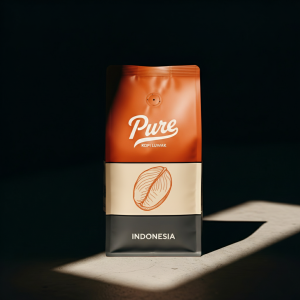
Pure Kopi Luwak
Wild-sourced. Organic. Arabica. From $125.
Whether you’re buying your first bag or trying to figure out if what you’ve been drinking is the real thing, this is the most honest kopi luwak buying guide you’ll find online.
What Makes Kopi Luwak Special (The Actual Science)
You’ve probably heard the elevator pitch: kopi luwak is coffee that’s been eaten and excreted by Asian palm civets. But that description misses everything that actually matters.
When a civet eats ripe coffee cherries, the beans spend 24 to 36 hours passing through its digestive tract. During that time, something remarkable happens at the molecular level.
Proteolytic enzymes in the civet’s stomach and intestines break down the proteins in the coffee bean — specifically the proteins responsible for bitterness. Research published in Food Research International found that civet digestion reduces total protein content by a measurable degree, which directly translates to a smoother, less bitter cup.
But it goes further than just removing bitterness. The enzymatic fermentation creates new flavor compounds that don’t exist in conventionally processed coffee. Lactic acid bacteria in the civet’s gut initiate a fermentation process similar to what happens in fine wine or aged cheese — breaking down complex carbohydrates into simpler sugars and organic acids that produce the distinctive sweetness and complexity kopi luwak is known for.
The result is a coffee with roughly 60% less acidity than standard arabica, virtually no bitterness, and a flavor profile that’s impossible to replicate through any conventional processing method. This isn’t marketing — it’s biochemistry.
There’s also a selection factor that’s often overlooked. Wild civets are instinctive cherry-pickers. They choose only the ripest, sweetest coffee cherries — essentially performing a quality control step that even the most careful human harvester can’t match. This natural selection contributes significantly to the final cup quality.
The Problem: Most Kopi Luwak Is Fake or Unethical
The global demand for kopi luwak far exceeds what wild civets can produce. That gap between supply and demand has created one of the most fraud-ridden segments of the specialty coffee market.
Cage Farming: The Industry’s Worst-Kept Secret
To meet demand, farms across Indonesia, Vietnam, and the Philippines capture wild civets and confine them in small battery cages — not unlike the worst factory farming practices in the poultry industry. These animals, which are naturally solitary and nocturnal, are crammed together and force-fed coffee cherries as their sole diet.
The stress on these animals is immense. Caged civets exhibit stereotypic behaviors — pacing, self-mutilation, and extreme distress. Multiple investigations by animal welfare organizations, including a widely cited study by the World Animal Protection organization, have documented appalling conditions on civet farms across Southeast Asia.
Beyond the ethical catastrophe, caged production also destroys the very thing that makes kopi luwak special. A stressed civet with a monotonous diet of force-fed cherries doesn’t produce the same enzymatic profile as a wild animal selectively foraging on peak-ripeness fruit. The coffee from caged operations is, in every measurable way, inferior.
Blending and Outright Fraud
Even when real kopi luwak beans are involved, they’re frequently blended with conventional coffee and sold as “100% kopi luwak.” Some operations use as little as 5–10% genuine civet-processed beans in their blends while charging full kopi luwak prices.
Then there’s outright fraud — regular arabica or robusta beans labeled and sold as kopi luwak with no civet involvement whatsoever. Without sophisticated chemical analysis, it’s nearly impossible for the average consumer to tell the difference in unbrewed beans.
Meaningless Certifications
Many brands prominently display “certificates of authenticity” that are self-issued or come from organizations with no verification process. A certificate is only as credible as the body issuing it. If you can’t independently verify the certifying organization, the certificate is worthless.
Some sellers even create official-looking documents complete with stamps and signatures that mean absolutely nothing. We’ve seen “Kopi Luwak Authentication Certificates” from entities that don’t exist outside of a PDF file.
How to Identify Authentic, Wild-Sourced Kopi Luwak
Finding the best kopi luwak coffee means knowing exactly what to look for — and what to avoid. Here’s the checklist we’d give to a friend.
1. Wild-Sourced Is the Only Acceptable Standard
This is non-negotiable. Authentic kopi luwak comes from wild Asian palm civets foraging freely in their natural habitat. Any reputable seller will state this clearly and be willing to explain their sourcing in detail.
Ask directly: Are your civets wild or farmed? If the answer is vague, walk away. If they claim “free-range” or “semi-wild,” be skeptical — these terms are often used to describe slightly larger cages, not genuinely free animals.
2. Supply Chain Transparency
A trustworthy kopi luwak supplier can tell you exactly where their coffee comes from — not just the country, but the specific region, the altitude, the farmers or collectors involved, and the process from collection to roasting.
Ask about the journey: Who collects the beans? Where exactly in Indonesia (or elsewhere) are they collected? How are they processed after collection? Legitimate producers are proud of their supply chain and happy to discuss it. Fraudulent ones deflect.
3. Certifications That Actually Matter
Look for third-party certifications from recognized organizations — not self-issued certificates. UTZ, Rainforest Alliance, or organic certifications from bodies like USDA or the EU carry weight because they involve actual audits.
A “Certificate of Authenticity” issued by the seller themselves is marketing material, not verification. The certification should come from an independent third party with a verifiable track record.
4. Price as a Litmus Test
Wild kopi luwak is inherently scarce. Civets produce tiny quantities, collection is labor-intensive, and the supply chain is long and complex. This means genuine wild-sourced kopi luwak simply cannot be cheap.
If you’re seeing kopi luwak priced below $100 per 100 grams, it’s almost certainly not what it claims to be. The economics don’t work. By the time you account for fair payment to collectors, processing, quality control, and international shipping, a 100-gram bag of genuine wild kopi luwak will cost $100 or more at retail. Anything significantly below that price point should raise immediate questions.
5. Origin Specifics
The best kopi luwak typically comes from specific regions in Indonesia — Java, Sumatra, Bali, and Sulawesi being the most notable. Each origin produces slightly different flavor profiles based on the local coffee varieties, soil conditions, and altitude.
Javanese kopi luwak, for instance, tends toward a cleaner, more refined cup with chocolate and caramel notes, while Sumatran offerings are often earthier and more full-bodied. A seller who can’t tell you the specific origin is likely selling blended or fraudulent product.
6. Freshness and Roast Date
Like all specialty coffee, kopi luwak degrades after roasting. A quality producer will include a roast date on the packaging — not just a “best by” date that could be years out. Ideally, you want beans roasted within the last few weeks to two months.
If there’s no roast date on the bag, the seller either doesn’t care about freshness or doesn’t want you to know how old the beans are. Neither is a good sign.
7. Packaging and Presentation
Genuine kopi luwak producers invest in proper packaging because they understand the value of what’s inside. Look for resealable bags with one-way degassing valves (the small circles on coffee bags that let CO2 escape without letting air in). Whole beans are preferable to pre-ground — grinding accelerates staling, and a producer selling premium coffee should know this.
Avoid products in clear packaging (light degrades coffee), thin bags without proper sealing, or packaging that looks generic or mass-produced.
What to Expect: The Flavor Profile of Genuine Kopi Luwak
If you’ve never tasted authentic wild kopi luwak, knowing what to expect helps you evaluate what you’re drinking — and spot fakes.
Aroma: The first thing you’ll notice is a rich, complex aroma that’s distinctly different from conventional coffee. Expect notes of dark chocolate, caramel, and a subtle earthiness. There’s often a gentle sweetness in the nose that hints at the cup to come.
Body: Genuine kopi luwak has a notably syrupy, medium-to-full body. It coats the palate in a way that lighter coffees don’t. The mouthfeel is velvety and round — never thin or watery.
Acidity: This is where kopi luwak truly diverges from standard coffee. The acidity is remarkably low — present enough to provide structure and brightness, but without the sharpness that many people find off-putting in other specialty coffees. If you’ve ever wished coffee were less acidic without sacrificing flavor, kopi luwak is the answer.
Flavor: The dominant notes are typically dark chocolate, caramel, and brown sugar, underpinned by a gentle earthiness. Some drinkers detect hints of stone fruit or tropical notes depending on the origin. The finish is long, clean, and sweet — with none of the bitterness that characterizes most coffees.
What it should NOT taste like: If your kopi luwak tastes harsh, overly bitter, thin, or just like regular coffee with nothing special going on — it’s not genuine. The difference between real wild kopi luwak and conventional coffee is not subtle. If you’re not sure whether you can taste a difference, you probably have a fake.
Red Flags When Buying Kopi Luwak Online
The internet makes it easy to sell kopi luwak — and even easier to sell fakes. Here are the specific warning signs we tell people to watch for.
Suspiciously Low Prices
This is the single biggest red flag. If a 100-gram bag is priced at $30–50, it’s not wild-sourced kopi luwak. Period. The raw green beans alone cost more than that at origin. Anyone selling “kopi luwak” at commodity coffee prices is selling you commodity coffee.
No Origin Information
Legitimate kopi luwak always has a specific origin. “Product of Indonesia” isn’t enough. You should be able to identify the island, the region, and ideally the specific area where the beans were collected. Vague or absent origin information is a hallmark of blended or fraudulent product.
Stock Photos and Generic Branding
Real kopi luwak producers have their own photography, their own stories, and their own brand identity. If the product listing uses obvious stock photos of civets, generic coffee imagery, or branding that looks like it was assembled in five minutes, proceed with extreme caution.
“100% Authentic” With No Substantiation
The more aggressively a seller proclaims authenticity without providing verifiable evidence, the less likely they are to be genuine. Real producers let their supply chain, certifications, and reputation speak for them. Fraudulent sellers rely on bold claims because that’s all they have.
High Volume Availability
Wild-sourced kopi luwak is inherently limited in supply. If a seller seems to have unlimited stock, offers bulk discounts, or is selling on a scale that would require hundreds of wild civets working overtime — the math doesn’t add up. Genuine producers frequently sell out and have limited batch sizes.
No Roast Date
Any serious coffee producer — kopi luwak or otherwise — puts a roast date on their packaging. The absence of a roast date suggests the seller either doesn’t understand specialty coffee or is deliberately hiding how old their product is. Either way, it’s not someone you want to buy from.
Our Approach at Pure Kopi Luwak
We started Pure Kopi Luwak because we saw an industry full of fraud and animal cruelty, and we knew it could be done right.
Our kopi luwak is sourced exclusively from wild Asian palm civets in the highlands of Java, Indonesia. We work directly with local collectors who gather civet droppings from the forest floor — no cages, no captive animals, no compromises. The civets roam freely through protected coffee-growing regions, selecting and eating the ripest cherries on their own terms.
After collection, our beans go through rigorous washing, sun-drying, and hand-sorting before being medium-roasted in small batches to bring out the natural sweetness and complexity that the civet fermentation creates. Every batch is independently tested to confirm it’s free of pesticide residues and contaminants.
The result is a coffee with approximately 60% less acidity than standard arabica, zero bitterness, and a smooth, complex flavor profile with notes of dark chocolate, caramel, and a distinctive sweetness that lingers long after the last sip.
We’re transparent about everything — our sourcing, our process, our pricing. We believe that if you’re paying a premium for the world’s most exclusive coffee, you deserve to know exactly what you’re getting and where it comes from.
If you’re ready to try genuine wild kopi luwak, visit our shop and see for yourself what the real thing tastes like.
Frequently Asked Questions About Kopi Luwak
Is kopi luwak safe to drink?
Absolutely. After collection, kopi luwak beans are thoroughly washed, sun-dried, and then roasted at temperatures exceeding 200°C (400°F). The roasting process eliminates any bacteria, making the final product completely safe. Properly processed kopi luwak is no different from any other roasted coffee in terms of food safety.
Why is kopi luwak so expensive?
Three factors drive the price: extreme scarcity (wild civets produce very small quantities), labor-intensive collection (collectors must search the forest floor by hand), and a long, careful processing chain. Genuine wild-sourced kopi luwak typically retails between $100–$300 per 100 grams depending on the origin and seller. If it’s significantly cheaper, question its authenticity.
How should I brew kopi luwak for the best results?
Kopi luwak shines brightest with brewing methods that highlight its nuanced flavors. We recommend pour-over, French press, or AeroPress. Use water between 92–96°C (just off the boil), a medium grind, and a ratio of about 15g of coffee per 250ml of water. Avoid adding milk or sugar on your first cup — taste it black to appreciate the full flavor profile. You’ll likely find it doesn’t need any additions.
How can I tell if my kopi luwak is real or fake?
The most reliable indicators are price (genuine wild-sourced kopi luwak costs $100+ per 100g), flavor (real kopi luwak has distinctly low acidity, no bitterness, and complex sweetness), and seller transparency (legitimate producers can detail their exact sourcing and processing). If the price seems too good to be true, or if the seller can’t answer specific questions about origin and sourcing, it’s likely not genuine.
What’s the difference between wild and caged kopi luwak?
The difference is enormous — both ethically and in terms of quality. Wild kopi luwak comes from free-roaming civets that choose which cherries to eat based on ripeness and quality. Caged kopi luwak comes from confined animals force-fed a diet of coffee cherries regardless of ripeness. The stress and poor diet of caged civets produces an inferior enzymatic process, resulting in coffee that lacks the complexity and smoothness of genuine wild-sourced kopi luwak. Ethically, cage farming involves significant animal suffering and should be avoided entirely.
How much kopi luwak does a civet produce?
A single wild civet produces a very small amount of usable coffee beans — roughly 500 to 700 grams of green (unroasted) beans per year. This is why genuine wild kopi luwak is so scarce and why any seller offering large quantities at low prices should be viewed with suspicion. The global supply of authentic wild kopi luwak is measured in hundreds of kilograms, not tons.
Pure Kopi Luwak
Wild-sourced. Organic. Arabica. From $125.