In the late 17th century, the Dutch East India Company planted the first arabica coffee in Java — introducing it around Batavia, the colonial capital that would become modern Jakarta, and extending south to Sukabumi and Bogor. Those early estates produced what global markets called “Java coffee,” a name so dominant that it became an English synonym for coffee itself. When coffee leaf rust devastated the arabica crop in the 1800s, Dutch planters replanted with Robusta, creating the diverse cultivation pattern that defines Indonesian coffee today — including the world-famous kopi luwak from Java, produced by wild civets foraging in those same highlands.
A Rich History: Dutch Colonial Influence on Indonesian Coffee
Indonesia’s coffee story begins in the late 17th century when Dutch colonists introduced arabica plants to Java. The Dutch East India Company established large coffee estates around Batavia (modern-day Jakarta), extending south to Sukabumi and Bogor. These early plantations created the foundation for what would become known as “Java coffee” in global markets.
The famous “Mocha Java” blend originated during this period, combining coffee from Yemen’s port of Mocha with Java arabica. This combination became so popular that it established Java as a premium coffee origin, a reputation that continues today. The colonial estates, many still operating, produce primarily higher-valued arabica varieties using traditional methods passed down through generations.
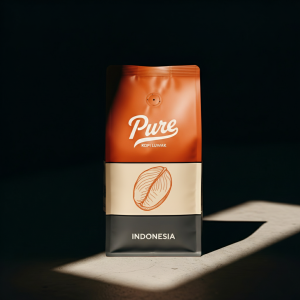
Pure Kopi Luwak
Wild civet coffee from Java. 88.5 SCA cupping score. From $125 for 100g.
Coffee production expanded across the archipelago throughout the 18th and 19th centuries. When coffee leaf rust devastated arabica crops in the late 1800s, Dutch planters initially replaced them with Liberica, then later with the more resilient Robusta varieties. This crisis ultimately led to the diverse growing patterns we see across Indonesian islands today.
Sumatra: The Earthy Giant of Indonesian Coffee
Sumatra produces some of Indonesia’s most recognizable coffee, known for its distinctively earthy, full-bodied character with low acidity and complex spicy notes. The island’s main coffee regions include:
Mandheling, in north-central Sumatra, produces coffee with rustic, earthy flavors and pleasant herbal notes — full body with chocolate and spice undertones. Nearby, around Lake Toba, Lintong coffees are notable for their unusually bright acidity combined with earthy complexity and wine-like characteristics. Gayo coffee from Aceh province offers cleaner cup profiles with citrus brightness and floral notes that many consider among Sumatra’s finest. Ankola, a smaller region, contributes intense earthiness and full body and is frequently used in blends with other Sumatran origins.
Sumatra’s unique flavor profile results largely from the distinctive giling basah (wet hulling) processing method used throughout the island. This technique, discussed in detail below, creates the characteristic earthy, low-acid profile that defines Sumatran coffee.
Java: Colonial Heritage and Premium Arabica
Java remains the heart of Indonesian coffee’s premium segment, home to historic estates that continue producing exceptional arabica coffee. The island’s volcanic soil and high-altitude growing conditions create ideal terroir for complex flavor development.
West Java’s Preanger highlands, at 1,200–1,800 meters elevation, produce balanced, chocolate-forward coffee with citrus undertones — fertile volcanic soil and consistent rainfall contribute to its reliability. East Java’s Ijen Plateau, around the famous volcanic crater, yields coffee with bright acidity and complex flavor profiles, with altitude and volcanic minerality visible in every cup. The central Java highlands round out the island’s growing areas with full-bodied, low-acid coffees carrying the rustic charm of the region’s historic estates.
Java’s coffee often exhibits the refined characteristics that made it famous in colonial times: balanced sweetness, moderate acidity, and complex flavor notes ranging from chocolate and nuts to tropical fruits. Many estates continue using traditional processing methods, including the natural fermentation processes that create unique flavor expressions like those found in premium kopi luwak.
Sulawesi: Complex Profiles from the Heart of Indonesia
Sulawesi (formerly Celebes) produces coffee known for its complex, somewhat mysterious flavor profiles. The island’s unique geography and growing conditions create coffees that often surprise even experienced tasters.
Toraja is Sulawesi’s most famous growing region — deep body, low acidity, and complex earthy notes with dark chocolate and spice. Mamasa is similar in profile but tends toward brighter acidity and more pronounced fruit notes. Gowa, in southern Sulawesi, produces full-bodied coffee with distinctive earthy-sweet characteristics that round out the island’s flavor range.
Sulawesi coffee often exhibits what roasters call “rustic complexity”—a combination of earthy, herbal, and sometimes wine-like notes that create intriguing cup profiles. The island’s traditional processing methods, including variations of wet hulling, contribute to these unique characteristics.
Try the coffee this article is about
Wild-sourced from Java, 88.5 SCA cupping score, free US shipping. From $125 for 100g.
Shop Pure Kopi Luwak →Giling Basah: Indonesia’s Signature Processing Method
Indonesia’s most distinctive contribution to coffee processing is giling basah, literally meaning “wet grinding” or wet hulling. This method, used primarily in Sumatra, Java, and Sulawesi, involves removing the parchment layer from coffee beans while they still retain 20-25% moisture content, rather than waiting until they reach the standard 11-12% moisture level.
The wet hulling process creates several distinctive characteristics:
- Hulling at high moisture reduces acidity development — one of the defining traits of Indonesian coffee
- The process preserves and enhances natural body and mouthfeel
- Extended moisture exposure encourages development of characteristic earthy, herbal flavors
- Unlike washed processing, wet hulling produces more muted, complex flavors with reduced brightness
This processing method arose from practical necessity in Indonesia’s humid climate, where traditional drying methods proved challenging. However, it has become integral to Indonesian coffee identity, creating flavor profiles that cannot be replicated elsewhere.
Bali and Lesser-Known Indonesian Coffee Regions
Beyond the major islands, Indonesia produces coffee in numerous smaller regions:
Bali produces bright, fruity coffee with good acidity and clean cup profiles — more conventional in character compared to other Indonesian regions. Flores offers balanced acidity and medium body, sometimes with chocolate or caramel notes, benefiting from volcanic soil comparable to Java’s. Papua, at the eastern edge of the archipelago, produces beans often described as earthy yet bright — a combination unusual even within Indonesia. Timor contributes full-bodied, rustic coffee frequently used in blends for its structural complexity.
These smaller regions contribute to Indonesian coffee’s diversity, each offering distinct flavor expressions influenced by local climate, soil, and processing traditions.
Indonesian Coffee Varieties and Cultivation
Indonesian coffee cultivation spans multiple varieties adapted to local conditions:
Arabica cultivation focuses on Typica, Bourbon, and local cultivars including the Java and Timor hybrids, which produce the premium coffees found in highland regions. Robusta, widely planted at lower elevations, often reaches higher quality in Indonesia than in other origins and appears in premium espresso blends. Liberica is still grown in limited quantities, particularly in Java, where it contributes an unusual dimension to specialty blends.
Many Indonesian coffee farms operate as smallholder cooperatives, with individual farmers contributing to larger processing and export operations. This structure helps maintain traditional growing methods while providing access to international markets.
Sustainable Practices and Quality Improvement
Modern Indonesian coffee producers increasingly focus on sustainability and quality improvement:
- Organic certification is common among specialty-grade producers, with audited practices reducing chemical inputs
- Fair trade initiatives support farmer communities through better pricing and development programs
- Improved wet hulling techniques and better drying facilities have raised cup quality across the region
- Shade-grown cultivation preserves biodiversity and supports traditional processing methods
These initiatives help preserve Indonesia’s coffee heritage while meeting increasing global demand for high-quality, sustainably produced coffee.
Brewing Indonesian Coffee: Maximizing Unique Characteristics
Indonesian coffee’s distinctive characteristics require specific brewing approaches to fully appreciate their complexity:
French press suits full-bodied Sumatran and Sulawesi coffees, letting the earthiness and body come through naturally. Pour-over works particularly well with Java coffee, where balanced acidity and complexity have room to express themselves. Indonesian coffee contributes excellent body and distinctive flavor notes to espresso blends. Cold brew is a strong match too — the low acidity of wet-hulled coffee yields a smooth, complex concentrate that holds up well to dilution.
Understanding each region’s characteristics helps coffee enthusiasts select brewing methods that complement specific Indonesian coffee profiles.
The Future of Indonesian Coffee
Indonesian coffee continues evolving as producers balance traditional methods with modern quality standards. Climate change challenges require adaptation in growing practices, while increasing global appreciation for unique flavor profiles creates new opportunities for premium Indonesian coffee.
The success of specialty products like authentic kopi luwak demonstrates global appetite for Indonesia’s unique coffee innovations. As understanding of Indonesian coffee diversity grows, we can expect continued development of the premium segment while preserving the traditional methods that make Indonesian coffee distinctive.
Whether exploring the earthy complexity of Sumatra, the refined balance of Java estates, or the mysterious depths of Sulawesi, Indonesian coffee offers endless discovery for those willing to appreciate its unique character. This diversity, combined with centuries of coffee heritage, ensures Indonesian coffee will remain among the world’s most fascinating coffee origins.
Pure Kopi Luwak
Wild civet coffee from Java. 88.5 SCA cupping score. From $125 for 100g.

Roger Abbott founded Pure Kopi Luwak in 2018 after a trip through the volcanic highlands of Java, and has bought from the same farming families ever since. He only works with collectors of wild civet coffee, never caged. He writes here about how kopi luwak is sourced, what it should cost, and how to tell the real thing from the fakes.