In 1999, the Cup of Excellence competition in Brazil ran its first auction and paid Brazilian smallholder farmers prices that had never before been attached to their coffee. The best lots sold for multiples of the commodity rate — to roasters in Japan, the United States, and Europe who were willing to pay a premium for beans from a specific farm, in a specific region, harvested in a specific year. That auction model fundamentally changed the economics of coffee production and gave “single origin” its meaning: not just where a coffee is from, but why it matters that you know.
Single origin coffee is now one of the most widely used terms in specialty coffee marketing and one of the least precisely understood by the people buying it. The definition, in its most useful form, is the one the Specialty Coffee Association uses: coffee fully traceable to a single producer, estate, or crop. What that traceability enables is accountability — both for quality and for ethics — and understanding it makes you a considerably more informed buyer.
What Single Origin Actually Means
Coffee has always had an origin. The question is whether that origin is specific enough to be meaningful. “Colombian coffee” is an origin claim — it tells you the country. It says nothing about the region, the altitude, the processing method, the variety, the harvest year, or the farmer who grew it. A commercial Colombian blend might contain beans from dozens of cooperatives across multiple departments, blended to hit a price point and a flavor profile that stays consistent across years. That’s not single origin coffee; that’s origin-labeling as marketing shorthand.
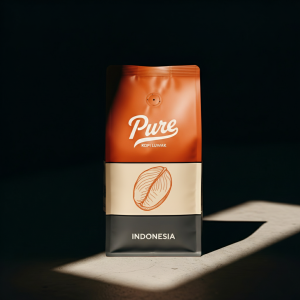
Pure Kopi Luwak
Wild civet coffee from Java. 88.5 SCA cupping score. From $125 for 100g.
True single origin starts with a single producer — a farm or estate whose practices and conditions you can investigate and verify. It extends to single-farm lots: all the beans in the bag come from one physical location, not a blend of lots assembled under the same country of origin umbrella. At its most specific, single origin means a single-variety, single-harvest, single-lot micro-release — the kind of coffee that Cup of Excellence winners produce, where every element of the production chain is documented and every quality attribute is attributable to identifiable decisions made by a specific farmer.
The SCA’s definition of single origin as “fully traceable to a single producer, estate, or crop” sets the floor. Above that floor, there’s a spectrum of specificity that directly correlates with the price premium being asked and the quality argument being made.
Try the coffee this article is about
Wild-sourced from Java, 88.5 SCA cupping score, free US shipping. From $125 for 100g.
Shop Pure Kopi Luwak →Why Origin Specificity Produces Better Coffee
Single origin coffee tastes different from commercial blends not because the marketing is better, but because the economic incentives are different. When a farmer’s beans are blended into an anonymous commodity lot, quality above the minimum acceptable threshold earns no additional premium. There’s no financial argument for spending more on hand-picking cherries at optimal ripeness, for processing each lot separately, or for any of the other labor-intensive practices that produce genuinely superior coffee. The market can’t see the difference and won’t pay for it.
When a farmer’s specific lot is sold as a traceable single origin — and especially when it’s entered into Cup of Excellence or similar competitions — every quality attribute becomes visible and potentially monetizable. A farmer who produces a lot scoring 88 points on the SCA scale can sell it for several times the commodity price. A farmer who produces a 90-point lot can approach prices that would have seemed implausible in the commodity world. The result is genuine economic incentive for quality at the farm level, which is why the best coffee in the world comes from single-origin producers rather than large commodity estates.
Reading a Single Origin Label
Not all single origin claims are equal. The spectrum runs from country of origin (least specific, least meaningful) to a specific micro-lot with documented processing method, altitude, variety, and farmer name (most specific, most meaningful). A few things to look for when evaluating a single origin claim:
Region or altitude: “Ethiopian” is less informative than “Yirgacheffe,” which is less informative than “Yirgacheffe, Gedeb district, 1,900 meters, washed Heirloom variety.” Each level of specificity makes the flavor argument more verifiable. You can research what Gedeb washed naturals taste like; you can’t do anything useful with “Ethiopian.”
Processing method: Washed, natural, honey, anaerobic — the method is part of the origin story because it shapes the flavor profile. A farm that processes the same variety two ways (one washed, one natural) produces two distinct coffees from the same soil and harvest. Both can legitimately claim the same farm origin; neither tastes like the other.
Harvest year: Coffee is an agricultural product with vintage variation. A farm that produced an exceptional lot in one year will not automatically replicate it the next. Single origin claims that omit harvest year are hiding information that serious buyers should want.
Kopi Luwak as Single Origin
Wild kopi luwak, when properly sourced, is one of the most extreme examples of single-origin specificity in the coffee market. Authentic wild-sourced kopi luwak traces back to specific farms in Java’s highlands, where free-ranging civets forage for coffee cherries in identifiable areas. The processing method is unique — natural civet digestion followed by careful manual collection and cleaning — and it occurs within a specific altitude range, with a specific Arabica variety, in a specific microclimate.
This level of traceability is exactly what the SCA’s single origin definition describes. It also explains why genuine wild kopi luwak is expensive, limited in supply, and categorically different from the majority of kopi luwak sold commercially. Most kopi luwak on the market does not meet a single-origin standard because it cannot: the beans come from cage operations that blend sources, use substandard cherry lots, and lack the farm-specific traceability that meaningful origin claims require.
Understanding single origin coffee gives you the framework for evaluating this gap. The same logic that distinguishes a traceable Cup of Excellence micro-lot from an anonymous commodity blend applies to the kopi luwak market. The question to ask is always: can you tell me exactly where this came from, how it was produced, and by whom? If the answer is vague, the origin claim is doing the marketing work that the quality cannot.
For a deeper look at how terroir shapes flavor in single-origin Indonesian coffee, our overview of coffee terroir explains the altitude, soil, and climate variables that make Javanese highland Arabica distinctive. And for context on how processing interacts with origin to create the specific profile of wild kopi luwak, what kopi luwak actually tastes like walks through the sensory details.
Pure Kopi Luwak
Wild civet coffee from Java. 88.5 SCA cupping score. From $125 for 100g.

Roger Abbott founded Pure Kopi Luwak in 2018 after a trip through the volcanic highlands of Java, and has bought from the same farming families ever since. He only works with collectors of wild civet coffee, never caged. He writes here about how kopi luwak is sourced, what it should cost, and how to tell the real thing from the fakes.