Coffee historians generally agree that before anyone brewed the roasted and ground seeds of Coffea arabica, someone in Yemen was already making a drink from the fruit surrounding those seeds. The dried skin and pulp of the coffee cherry — what’s left after the bean has been extracted — were steeped in hot water to produce a light-bodied, fruity, mildly caffeinated beverage that Yemenis called qishr. The drink predates conventional coffee by an unclear margin, possibly by centuries. Most of the world eventually discarded the husk as agricultural waste, built an entire global industry around the seed inside, and forgot that the fruit existed.
Around 2005, a Salvadoran farmer named Aida Batlle was walking through her processing facility when she noticed something. The coffee cherry husks being discarded after pulping had a distinctly floral aroma — unexpected from material routinely treated as compost. She dried a batch and brewed tea from them. The result was interesting enough that she began developing a secondary market for what she named cascara, from the Spanish word for skin or peel of fruit. By 2009, the beverage was appearing in American specialty coffee shops. The discarded husk had found a second life.
What Cascara Actually Is
A coffee cherry is a drupe — the same structural category as a cherry, plum, or olive. Inside the fruit, two coffee seeds sit surrounded by pulp, a sticky layer called mucilage, and a tough inner parchment. Coffee processing is fundamentally about removing everything between the outer fruit and the seeds inside. In washed processing, the cherry skin and pulp are removed before drying. In natural processing, the whole cherry dries and is then hulled. In either case, the dried skin and pulp — the cascara — has historically been composted, used as fertilizer, or simply left in the field.
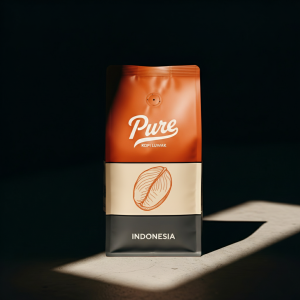
Pure Kopi Luwak
Wild civet coffee from Java. 88.5 SCA cupping score. From $125 for 100g.
What Batlle recognized was that this byproduct contains the same aromatic compounds and polyphenols that make ripe coffee cherries attractive to animals like civets and birds in the first place. The fruit’s character — fruity acids, floral esters, residual sugars — survives the drying process in concentrated form. Steeped in hot water, the dried husks produce a beverage that tastes nothing like coffee: it’s lighter, somewhat hibiscus-like, with notes of tamarind, dried rose hip, and a mild sweetness. The caffeine content is similar to that of black tea — lower than brewed coffee, higher than herbal infusions.
The Traditional Form: Qishr and Hashara
The modern specialty coffee version of cascara arrived from El Salvador, but the beverage it resembles is very old. In Ethiopia and Yemen — the two countries where Coffea arabica originates and was first cultivated — forms of coffee cherry tea have been consumed for centuries. In Yemen, a spiced version called qishr combines dried coffee husk with ginger and sometimes cinnamon, brewed as a warming household drink. In Ethiopia, a similar beverage called hashara is consumed in coffee-growing regions. The historical record suggests these drinks may predate the roasting and grinding of coffee beans as a beverage practice — the seed that became the global commodity may have been discovered because someone was already familiar with the plant’s fruit.
The Arabic word for the coffee cherry husk is “qishr,” and the Yemeni tradition of brewing it is documented as far back as the 15th century. This predates by several decades the earliest clear evidence of roasted coffee bean brewing, which appears to have emerged in Sufi monasteries in Yemen around the same period. Whether the husk tea came first or the two beverages developed in parallel remains uncertain — but the cultural priority of coffee fruit in Yemen’s coffee tradition is well established.
Try the coffee this article is about
Wild-sourced from Java, 88.5 SCA cupping score, free US shipping. From $125 for 100g.
Shop Pure Kopi Luwak →Preparation and the Science Behind the Steep
Dried cascara is typically sold as flaked or whole dried fruit husks. Standard preparation calls for steeping three tablespoons of dried flaked cascara in 10 to 12 ounces (300 to 350 mL) of hot water — around 90°C — for approximately four minutes. The resulting liquid is a reddish-amber color. Cold brew cascara, made by steeping in cold water for 12 to 16 hours, produces a more concentrated fruit-forward result that works well iced or diluted with sparkling water.
A study published by Cambridge University Press demonstrated that extracts derived from coffee fruit — the broader category that includes cascara — increased levels of brain-derived neurotrophic factor (BDNF) in healthy subjects, attributed to the high polyphenol content of coffee fruit. The study was small at 25 participants, and the authors noted that larger clinical trials were needed before drawing firm conclusions. What’s established is that the dried coffee cherry contains meaningful polyphenol concentrations, given that the fruit’s protective role around the seed involves producing phenolic compounds as part of its natural defense chemistry.
The commercial trajectory of cascara has followed the pattern of other specialty coffee byproducts: once demand from US coffee chains emerged, the dried husks began fetching prices that in some cases exceeded the price of the coffee beans from the same harvest. This price inversion is still unusual but signals a genuine shift in how the industry thinks about the fruit it once discarded entirely.
Cascara and the Whole-Cherry View of Coffee Quality
For anyone interested in premium coffee, cascara offers a useful reorientation. Coffee is typically discussed in terms of the roasted bean — its roast level, origin, processing method, brew temperature. Cascara pulls attention back to the fruit, and specifically to the quality of that fruit at harvest.
The cherry that a wild Asian palm civet selects on a Javanese coffee farm is the same object that, in a different processing chain, would produce cascara from its skin and pulp and kopi luwak from its enzymatically modified bean. Both products — the fruit tea and the rare coffee — depend on the same starting quality: peak-ripe cherries with sufficient sugar development, aromatic compounds, and structural integrity. The civet selects for this instinctively; the farmer who makes exceptional cascara seeks it deliberately. The common thread is that the cherry itself, not just the seed inside it, is the primary quality determinant — whether the end product is a qishr brewed in Yemen five centuries ago or a single-origin cascara served in a specialty coffee shop in 2025.
Cascara is unlikely to ever compete with roasted coffee as a global beverage. But it fills a specific and interesting niche: a low-caffeine, fruit-forward drink with genuine historical roots and a flavor profile that nothing else quite replicates. The Yemenis who brewed qishr before they knew what to do with the seed were, in retrospect, onto something. Aida Batlle was paying attention when she picked up the husks in 2005. The specialty coffee world has been slowly catching up ever since.
Pure Kopi Luwak
Wild civet coffee from Java. 88.5 SCA cupping score. From $125 for 100g.

Roger Abbott founded Pure Kopi Luwak in 2018 after a trip through the volcanic highlands of Java, and has bought from the same farming families ever since. He only works with collectors of wild civet coffee, never caged. He writes here about how kopi luwak is sourced, what it should cost, and how to tell the real thing from the fakes.