The IUCN Red List has classified the Asian palm civet (Paradoxurus hermaphroditus) as “Least Concern” since 2008 — a designation that reflects the species’ broad range across South and Southeast Asia and its documented tolerance for disturbed habitats including agricultural land, plantation edges, and peri-urban forest. But “Least Concern” is a species-level assessment, and it papers over something more complicated: regionally fragmented populations, increasing capture pressure for commercial kopi luwak production, and the well-documented stress and suffering of civets held in intensive farming conditions.
The conservation picture for Asian palm civets is not an emergency. But it is not complacent either.
What We Know About Wild Populations
Paradoxurus hermaphroditus is one of the most widely distributed civets on earth, ranging from India and Sri Lanka through mainland Southeast Asia, down through the Malay Peninsula, and across the Indonesian archipelago to the Philippines. Camera trap data aggregated in a 2022 study published in the Journal of Animal Ecology (Dehaudt et al.) found that common palm civets were documented in 72 published camera trapping studies across the region, and their presence correlated positively with human-modified landscapes — they tend to do better near gardens and plantations than pure primary forest specialists.
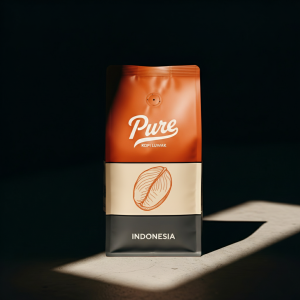
Pure Kopi Luwak
Wild civet coffee from Java. 88.5 SCA cupping score. From $125 for 100g.
This adaptability is a genuine conservation strength. Unlike the Javan rhinoceros or Sumatran tiger, which require intact primary forest and are therefore acutely threatened by deforestation, common palm civets can survive in secondary forest, coffee plantation buffers, fruit orchards, and even suburban gardens. Populations in heavily modified agricultural landscapes of Java and Bali — exactly the regions where kopi luwak production is concentrated — are not in acute population decline.
Where the Pressure Is Real
The concern for civets is not their overall global status but the conditions in which captured individuals are kept for commercial kopi luwak production. Since the mid-2000s, when international demand for kopi luwak expanded rapidly, a significant commercial farming industry emerged in Indonesia, Vietnam, and the Philippines that keeps civets in cages to produce high volumes of processed coffee. Investigative reporting by Vice, BBC, and The Guardian between 2012 and 2016 documented conditions at many commercial farms: small wire cages, inadequate diet, stress behaviors including repetitive pacing, and high mortality rates.
The Civet Project, a conservation organization focused on Asian viverrid welfare, has documented that captive civets in farming operations show elevated cortisol stress markers, abnormal repetitive behaviors consistent with chronic confinement stress, and significantly shortened lifespans compared to wild animals. These are welfare harms rather than population-level conservation threats, but they are substantial and well-evidenced.
Try the coffee this article is about
Wild-sourced from Java, 88.5 SCA cupping score, free US shipping. From $125 for 100g.
Shop Pure Kopi Luwak →The Wild Versus Farmed Dynamic
Authentic wild kopi luwak production does not involve capturing or confining civets. Wild civets move freely through coffee-growing forest and plantation areas during harvest season, consume ripe cherries selectively, and excrete the processed beans in their natural habitat. Farmers collect those beans from the forest floor. The civets are undisturbed; they experience no captivity or stress beyond their ordinary wild existence.
This is the production model that supports both conservation goals and product quality simultaneously. Wild civets exercising natural dietary selectivity produce the enzymatic conditions that generate kopi luwak’s distinctive flavor profile; stressed caged animals consuming forced diets do not. The difference between wild and farmed kopi luwak is therefore not purely an ethical question — it has direct implications for what the product tastes like and what it’s worth.
Habitat: The Longer-Term Concern
The more consequential conservation issue for Asian palm civets over the next two decades is not capture pressure but habitat availability. Conversion of lowland forest and agroforestry landscapes to intensive monoculture agriculture — particularly palm oil in Sumatra and Kalimantan — reduces the heterogeneous forest-edge habitats that civets favor. Civets are seed dispersers for dozens of fruiting tree species, and their ecological role in secondary forest regeneration is not trivial. A landscape that loses its civet population loses a functional component of its seed dispersal network.
Coffee agroforestry, practiced at higher altitudes in Java and Sumatra where kopi luwak production is concentrated, provides much better civet habitat than monoculture alternatives. Shade-grown coffee with diverse canopy species supports the fruit diversity and cover that civets need. Producers who maintain traditional agroforestry systems are therefore simultaneously supporting wild civet populations and producing the conditions for authentic wild kopi luwak collection.
Conservation Organizations Working in This Space
TRAFFIC, the wildlife trade monitoring network, has published assessments of Asian palm civet trade dynamics that distinguish between incidental trade and systematic farming operations. The IUCN SSC (Small Carnivore Specialist Group) monitors regional population trends for viverrids including palm civets. ProFauna Indonesia, a domestic animal welfare and wildlife conservation organization, has campaigned specifically against the conditions in commercial kopi luwak farms.
Choosing verified wild-sourced kopi luwak supports this conservation picture in a direct way: it creates economic incentives for maintaining natural coffee-growing habitats and wild civet populations, without the welfare harms of captive farming. Understanding how kopi luwak’s history is connected to wild civets provides context for why this distinction has always mattered.
Pure Kopi Luwak
Wild civet coffee from Java. 88.5 SCA cupping score. From $125 for 100g.
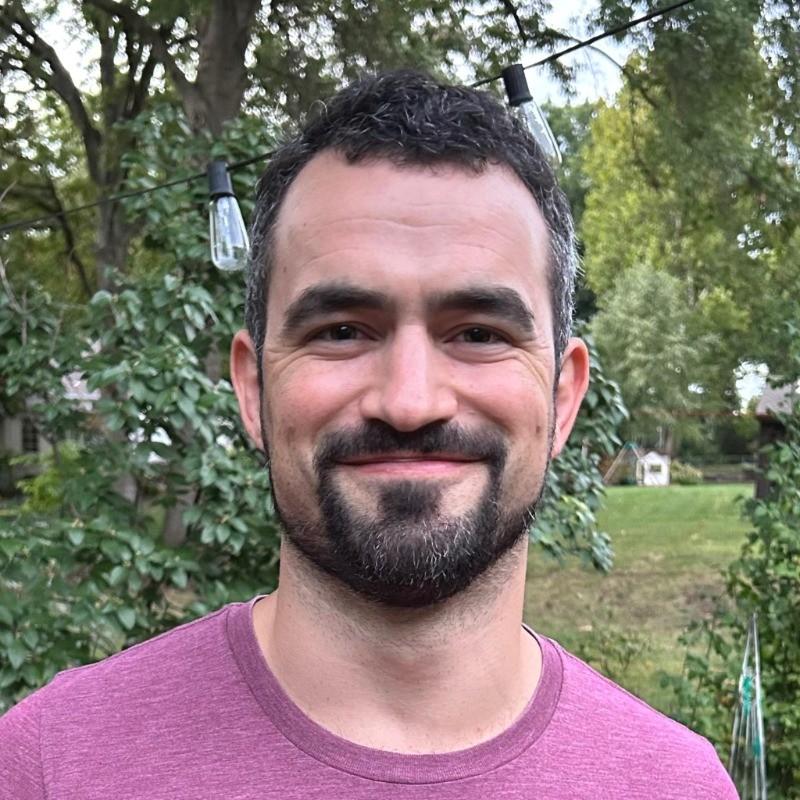
Roger Abbott founded Pure Kopi Luwak in 2018 after a trip through the volcanic highlands of Java, and has bought from the same farming families ever since. He only works with collectors of wild civet coffee, never caged. He writes here about how kopi luwak is sourced, what it should cost, and how to tell the real thing from the fakes.