For decades, decaffeinated coffee carried an unfortunate reputation as the flavorless compromise for those who couldn’t handle caffeine. Modern decaffeination has substantially changed that — premium decaf processed with Swiss Water or CO2 methods can rival regular coffee in complexity and satisfaction. Understanding how each method works explains why some decaf tastes flat while others preserve the nuanced character that makes specialty coffee worth drinking.
The Science of Decaffeination
All decaffeination happens while beans are still green, before roasting. The goal is deceptively straightforward: remove approximately 97% of caffeine while preserving the thousands of other compounds responsible for coffee’s complex flavor. Caffeine is a relatively large, water-soluble molecule — targeting it without stripping everything else is the central technical challenge, and different methods solve it with very different degrees of success.
Chemical Solvent Methods
The original decaffeination approach uses solvents — typically methylene chloride or ethyl acetate — to bind and remove caffeine from green beans. In the direct solvent method, beans are steamed to open their pores, then repeatedly washed with the solvent. In the indirect method, beans are soaked in hot water to extract both caffeine and flavor compounds, the water is then treated with solvents to remove only the caffeine, and the flavor-rich water is reintroduced to the beans. Both approaches are FDA-approved and safe; the problem is selectivity. Solvents are non-specific — they remove desirable flavor compounds along with caffeine, resulting in flatter, less complex cups. This is why cheap decaf tastes cheap.
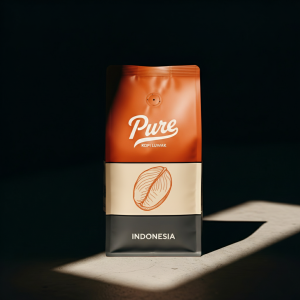
Pure Kopi Luwak
Wild civet coffee from Java. 88.5 SCA cupping score. From $125 for 100g.
Swiss Water Process
Swiss Water is a patented chemical-free method developed in Switzerland and now operated in Burnaby, British Columbia, using only water, temperature, and time. The process begins by soaking green beans in pure water until caffeine and other soluble compounds dissolve. This first batch of beans is discarded — they’ve given up their flavor — but the water, now saturated with coffee’s flavor compounds, is passed through activated charcoal filters sized to trap caffeine molecules while letting smaller flavor compounds through. The resulting liquid is “Green Coffee Extract” (GCE): water that contains essentially all of coffee’s flavor compounds but is stripped of caffeine.
Subsequent batches of green beans are soaked in this GCE. Because the GCE is already saturated with flavor compounds, it can only absorb caffeine from the new beans — there’s no chemical gradient driving flavor extraction. The result is beans that lose 99.9% of their caffeine while retaining the oils, acids, and aromatic precursors that create the cup. Swiss Water is certified organic and carries no residual solvent concerns, which is why specialty roasters who take decaf seriously use it.
Mountain Water Process
Developed in Mexico using water from Pico de Orizaba glaciers, the Mountain Water Process operates on the same saturation principles as Swiss Water. Beans are soaked in pure mountain water, then the water is filtered through carbon to remove caffeine while flavor compounds pass through. The filtered, flavor-rich water then processes additional batches. The mechanics are similar; the difference is origin and marketing — Mexican roasters and importers have developed this as a regionally distinct alternative with its own certification infrastructure.
Supercritical CO2 Process
The most technically sophisticated method uses carbon dioxide under pressures around 1,000 PSI and temperatures above 31°C — conditions where CO2 enters a supercritical state, behaving simultaneously as liquid and gas. Under these conditions, supercritical CO2 acts as a highly selective solvent: caffeine molecules dissolve into it readily, while most flavor compounds, which have different molecular structures and solubility characteristics, remain largely unaffected in the bean.
After extraction, pressure is reduced and the CO2 returns to gas form, releasing the extracted caffeine as a pure byproduct. The CO2 itself is then recycled and used again. This makes the process both exceptionally clean from a flavor-preservation standpoint and highly sustainable — no chemical waste, reusable solvent. The capital costs of the high-pressure vessels required are substantial, which is why CO2 decaf carries higher prices. Those prices are generally justified. Specialty roasters and Q graders consistently rate CO2-decaf as the closest in cup quality to undecaffeinated coffee from the same lot.
Try the coffee this article is about
Wild-sourced from Java, 88.5 SCA cupping score, free US shipping. From $125 for 100g.
Shop Pure Kopi Luwak →Flavor Preservation in Practice
The practical ranking for flavor preservation, supported by blind cupping studies: CO2 process first, Swiss Water second, Mountain Water third, chemical solvents last. The gap between the top two and the bottom two is meaningful — not subtle. If you’re buying decaf from a specialty roaster who isn’t specifying their decaffeination method on the packaging, that’s a warning sign. Quality decaf sourcing requires transparency about the method used, the origin of the green coffee, and the roast date.
The specialty decaf market has grown sharply in recent years, driven by people who want the sensory experience of coffee without the caffeine — for sleep, health, pregnancy, medication interactions, or simply the ability to drink coffee after dinner without consequence. That growing demand has given quality-focused roasters economic incentive to treat decaf as a serious product category rather than an afterthought.
Roasting Decaffeinated Beans
Decaffeination changes bean structure in ways that directly affect roasting. The process makes beans more porous and brittle — they absorb and release heat differently than their untreated equivalents. They roast faster, requiring lower initial temperatures to prevent the exterior from charring before the interior develops. First crack arrives earlier. Moisture loss happens more quickly, which affects the roast profile’s timing significantly.
Skilled roasters compensate with deliberate adjustments: lower charge temperatures, extended development time relative to total roast time, and modified airflow to control heat transfer through the more porous structure. These aren’t trivial tweaks — decaf roasting profiles differ substantially from regular coffee profiles. Roasters who apply the same settings to both produce decaf that consistently underperforms. When evaluating a roaster’s decaf, it’s worth asking whether they’ve developed a specific profile for it or simply dropped it into their standard approach.
Brewing Decaf for Best Results
The structural changes from decaffeination also affect extraction. Decaf beans extract faster and more readily than their regular equivalents, which means standard brewing parameters often over-extract, producing bitterness that gets mistakenly attributed to decaffeination rather than brewing error.
A slightly finer grind helps compensate for the increased porosity — counterintuitively, finer grinding gives more control over extraction rate. Lower water temperature (195–200°F rather than the 200–205°F used for regular coffee) and slightly reduced brewing time together prevent over-extraction. Fresh grinding is more critical with decaf than with regular coffee because the porous structure makes it stale faster; ground decaf sitting for more than a day loses quality noticeably. These adjustments aren’t complicated, but making them consistently is the difference between good decaf and merely okay decaf.
Identifying Quality Decaf
When buying decaf, look for explicit method labeling — “Swiss Water Process” or “CO2 Process” should appear on the package, not vague terms like “naturally decaffeinated” or no method mentioned at all. Single-origin decafs indicate a roaster who sources green coffee intentionally for decaffeination rather than using commodity lots. Roast date matters more with decaf than with regular coffee given the faster staling — look for recent roasting. Price serves as a reasonable signal: quality decaffeination is expensive, and exceptionally cheap decaf almost certainly uses solvent methods and lower-grade green coffee.
Premium decaf should cost within 10–20% of equivalent regular coffee from the same roaster. If the price gap is much larger, you’re being asked to pay extra for a story; if the decaf is substantially cheaper, quality shortcuts were almost certainly made somewhere.
The Future of Caffeine Removal
Research into improved decaffeination continues on several fronts. Selective breeding programs are developing naturally low-caffeine Arabica varieties — research on Coffea charrieriana, a naturally caffeine-free species discovered in Cameroon, has produced early hybrid results. Enzyme-based processes that selectively break down caffeine molecules rather than extracting them are being studied in laboratory settings. Ultrasound-enhanced water methods show promise for improving the efficiency of caffeine extraction without sacrificing flavor compounds. The technology is advancing; whether any of these approaches will challenge Swiss Water and CO2 in the specialty market within the next decade remains to be seen.
For coffee enthusiasts navigating the decaf category, the current state of the art is genuinely good. Knowing what Swiss Water and CO2 processing actually do — and why they outperform solvent methods — gives you the tools to find decaf worth drinking. For the full caffeine experience with a coffee that’s been processed with equal care and attention to flavor integrity, explore wild-sourced kopi luwak, where the processing by Asian palm civets creates chemical changes in the bean that share more with enzymatic treatment than any industrial decaffeination method ever will.
Pure Kopi Luwak
Wild civet coffee from Java. 88.5 SCA cupping score. From $125 for 100g.
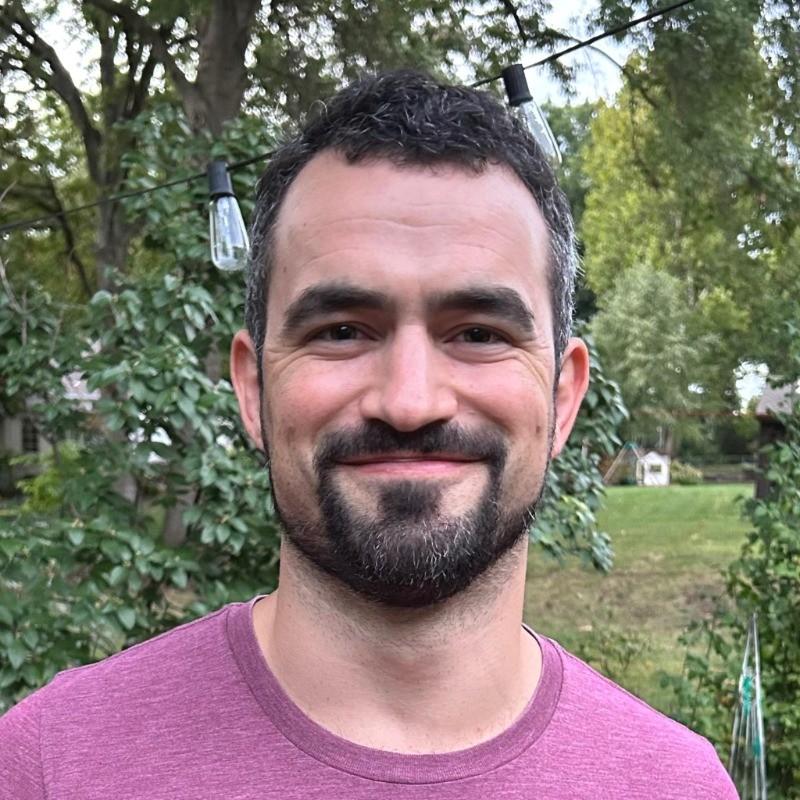
Roger Abbott founded Pure Kopi Luwak in 2018 after a trip through the volcanic highlands of Java, and has bought from the same farming families ever since. He only works with collectors of wild civet coffee, never caged. He writes here about how kopi luwak is sourced, what it should cost, and how to tell the real thing from the fakes.