In November 2021, a 100-gram lot of Panama Gesha from Elida Estate sold at the Best of Panama auction for $2,568 per pound — at the time, among the highest prices ever recorded for green coffee at public auction. The question “is expensive coffee a scam?” does not apply to that coffee in any straightforward way. The people who bought it had tasted it, understood exactly why it cost what it did, and competed against each other to pay more. The price was the result of transparent, verifiable quality.
The more interesting question — and the one worth actually answering — is whether you, a typical coffee buyer, reliably get what you pay for when you move up the price ladder. The evidence is more nuanced than either the “it’s all a gimmick” cynics or the “you must spend more to drink better” evangelists would have you believe.
Where the Price-Quality Correlation Is Real
At the bottom of the market — commodity coffee sold in supermarkets, instant coffee, fast food chain coffee — the price-quality correlation is genuine and strong. The difference between paying $4 per 250g for a supermarket blend and $18 for a specialty single-origin from a good roaster is almost always reflected in the cup. The green coffee being used is in different grade categories, the roasting is handled differently, and the freshness at the time of purchase is fundamentally different.
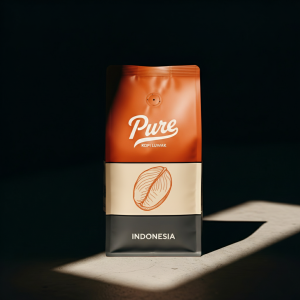
Pure Kopi Luwak
Wild civet coffee from Java. 88.5 SCA cupping score. From $125 for 100g.
A 2018 study published in the Journal of Agricultural and Applied Economics analyzed data from the Cup of Excellence program — the most rigorous specialty coffee auction system in the world, where samples are blind-cupped multiple times by teams of certified judges before reaching auction. The study found that cupping score quality was a significant predictor of final auction price, but that “symbolic attributes” (origin country, farm name recognition, certification type) had greater explanatory power than the raw sensory quality scores alone. In plain terms: once you’re in the specialty tier, you’re paying partly for objectively better coffee and partly for provenance and story.
This is not a scandal. Origin transparency, ethical sourcing practices, and farm-specific traceability are genuine values — they matter for reasons beyond flavor. A consumer paying a premium for direct-trade coffee from a named farm in Guatemala where they know the farmer was paid fairly for their crop is not being scammed. They’re buying into a supply chain they believe in.
Try the coffee this article is about
Wild-sourced from Java, 88.5 SCA cupping score, free US shipping. From $125 for 100g.
Shop Pure Kopi Luwak →Where the Correlation Breaks Down
Above a certain quality threshold — roughly 87-88 points on the SCA scale — the perceptible flavor difference between a $30-per-pound coffee and a $100-per-pound coffee becomes highly dependent on the individual palate and context. A coffee professional trained to identify and articulate subtle aromatic distinctions will consistently perceive differences that a casual specialty drinker will not. For the casual drinker, the $100 coffee is probably not twice as good as the $50 coffee.
This is where marketing, mystique, and willingness to pay start driving price independently of measurable flavor quality. Some expensive coffees are priced according to scarcity and demand — there are only so many pounds of a lot that scored 94 points — and the price reflects that supply constraint more than it reflects an experience that any given consumer can reliably appreciate.
Prestige pricing also exists in coffee, as in any luxury category. Certain origins, certifications, and brand names carry premium pricing that exceeds what the cupping score would predict. Buyers are partly paying for the social meaning of what they’re consuming, not just for what’s in the cup. Research in the Journal of Agricultural and Applied Economics explicitly documented this: symbolic attributes — country of origin, farm fame, competition placement — explained more price variation than the actual tasting scores.
The Specific Case of Kopi Luwak
Kopi luwak occupies a unique position in this discussion, because its pricing is built on a combination of genuine scarcity, a verifiable biological process, and significant reputational complexity.
Wild-sourced kopi luwak is genuinely rare. A wild civet consumes and passes perhaps 50 to 100 cherries per night. The collective yield from wild civet routes across Javanese coffee farms adds up to small quantities annually. The price reflects actual supply constraints, not artificial scarcity manufacturing.
The biological mechanism — civet digestion modifying protein structure and reducing bitterness precursors in the bean — is documented in food chemistry research. The cup character that results is measurably different from conventionally processed coffee from the same origin. This is not a marketing narrative; it’s a mechanism.
The reputational problem for kopi luwak comes from cage-farmed production, which dominates the market by volume. Caged kopi luwak — produced from civets confined in small enclosures and force-fed coffee cherries — removes the quality mechanism entirely. The animal’s selective foraging behavior, which is the primary source of the starting material quality advantage, doesn’t function under captive conditions. A caged civet processing stress-fermented cherries produces results that don’t justify any premium. This is the product that earns “kopi luwak is a scam” takes.
Authentic wild-sourced kopi luwak from Java is a different product category. The price is defensible for the same reasons that any genuinely rare, quality-verified, ethically produced luxury food commands a premium — the scarcity is real, the difference is measurable, and the sourcing story is verifiable. Knowing how to verify authenticity is what separates a well-justified purchase from an expensive disappointment.
So Is Expensive Coffee a Scam?
Sometimes, yes. A dark-roasted, vacuum-sealed blend sold in an expensive boutique bag is often less good than a fresh-roasted light-medium specialty coffee sold online for a third of the price. Marketing sometimes outruns product quality in premium coffee as in every category.
But the version of expensive coffee that’s a scam — where price has no relationship to quality — is the minority of the high-end market. At the specialty level and above, the price-quality relationship is real, documented, and testable. The question to ask is not “is expensive coffee a scam” but “what am I actually paying for here, and can I verify it?” That’s a question with a useful answer. The other one isn’t.
Pure Kopi Luwak
Wild civet coffee from Java. 88.5 SCA cupping score. From $125 for 100g.
Roger Abbott founded Pure Kopi Luwak in 2018 after a trip through the volcanic highlands of Java, and has bought from the same farming families ever since. He only works with collectors of wild civet coffee, never caged. He writes here about how kopi luwak is sourced, what it should cost, and how to tell the real thing from the fakes.