There is a particular kind of man who, if he wanted something, would have bought it already. He reads the reviews himself. He compares specs without help. He has a credit card and opinions and a return window. He does not need a waffle maker or a smart home device or a book chosen by someone with no real idea what he likes. What he needs — though he’d never ask for it — is access to something he couldn’t have engineered for himself. Rarity is the loophole.
This is why wild-sourced kopi luwak is the logical gift for the man who has everything. Not because it’s expensive, though it is. Because it is genuinely inaccessible through ordinary channels, and because finding the real version requires knowledge that most people — including him — don’t have.
The Rarity That Cannot Be Self-Gifted
Authentic wild kopi luwak is not something you stumble into at a Whole Foods or discover on Amazon Prime. The market is extensively documented for fraud — multiple studies, including a 2013 paper published in the Journal of Agricultural and Food Chemistry, have used metabolomics profiling to show that a substantial proportion of commercially sold “kopi luwak” is either conventional coffee or cage-farmed product mislabeled as wild. Identifying real, wild-sourced product requires either deep knowledge or a direct relationship with a verified producer.
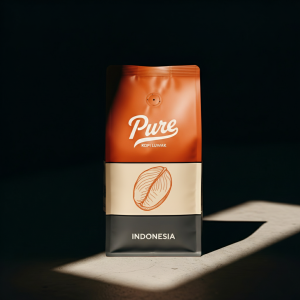
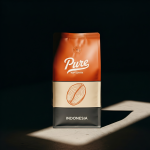
Pure Kopi Luwak
Wild civet coffee from Java. 88.5 SCA cupping score. From $125 for 100g.
Most people, even those who love coffee and own expensive brewing equipment, have never tasted authentic wild kopi luwak. They’ve heard of it. They’ve seen it in a bucket-list article. But they’ve never actually ordered it, because the research required to buy it confidently is non-trivial and the price commitment is significant. This is the gap. The man who buys himself everything hasn’t bought this. And if you find it for him, you’ve given him access to something he genuinely couldn’t have arranged without more effort than he was willing to invest.
What Kopi Luwak Actually Is
Kopi luwak is produced when the Asian palm civet (Paradoxurus hermaphroditus) — a small, nocturnal mammal native to the highland coffee farms of Java and Sumatra — forages on coffee plantations and selects ripe coffee cherries to eat. The civet’s digestive system strips the pulp and exposes the bean to enzymes that modify its chemical composition. Specifically, proteolytic enzymes reduce the concentration of bitter protein precursors, while extended contact with the acidic digestive environment alters surface chemistry in ways that affect flavor compound development during roasting. Research published in food chemistry journals has documented lower concentrations of malic and citric acids in kopi luwak compared to conventionally processed beans from the same farms.
The result is a coffee that is measurably smoother, lower in perceived bitterness, and more complex than anything from the same Javanese arabica farms processed conventionally. The wild version — from free-ranging civets who select only peak-ripe fruit — produces a categorically better result than the cage-farmed versions that dominate the commercial market, where animals are fed indiscriminate cherries under stress and the quality advantage largely disappears.
How to Give It
A 100g bag of Pure Kopi Luwak is whole-bean, medium-roasted, and ships worldwide. The bag yields 10–12 cups depending on brewing ratio and method. If the man you’re buying for already owns a grinder and a preferred brewing setup — pour-over, espresso machine, French press — the bag pairs naturally with his existing ritual. If not, a compact hand grinder at $30–50 adds a tactile element that suits the quality of what he’s grinding. There’s something right about hand-grinding beans that cost this much.
The gift does not require elaborate presentation. A short note is enough: “Wild-sourced kopi luwak from Java — the rarest coffee in the world, produced by wild civets that select only the best cherries. The process is real and the flavor is unlike anything else. See if you agree.” Then let the coffee make its own argument.
What ‘Having Everything’ Actually Leaves Out
When people describe someone as having everything, what they mean is that the person has resolved all his obvious wants. The TV he wanted. The jacket. The car. The gear for his hobbies. These are things with clear utility and clear paths to acquisition. What “having everything” doesn’t cover is the unexpected — the rare thing from a specific place with a specific story, the gift that introduces him to something rather than fulfilling a known preference.
Kopi luwak is an introduction. Most men who receive it have never had the real version. They’ve seen a news segment. They vaguely know it’s the coffee processed by animals. But they’ve never sat with a cup on a Saturday morning and understood what the fuss is actually about. That first cup is the gift. The bag is the delivery mechanism.
For context on why wild sourcing matters and what separates real kopi luwak from the versions flooding the market, see our guide on caged vs. wild civet coffee. For flavor comparisons against premium coffees he may already know, see Kopi Luwak vs. Jamaican Blue Mountain.
Pure Kopi Luwak
Wild civet coffee from Java. 88.5 SCA cupping score. From $125 for 100g.
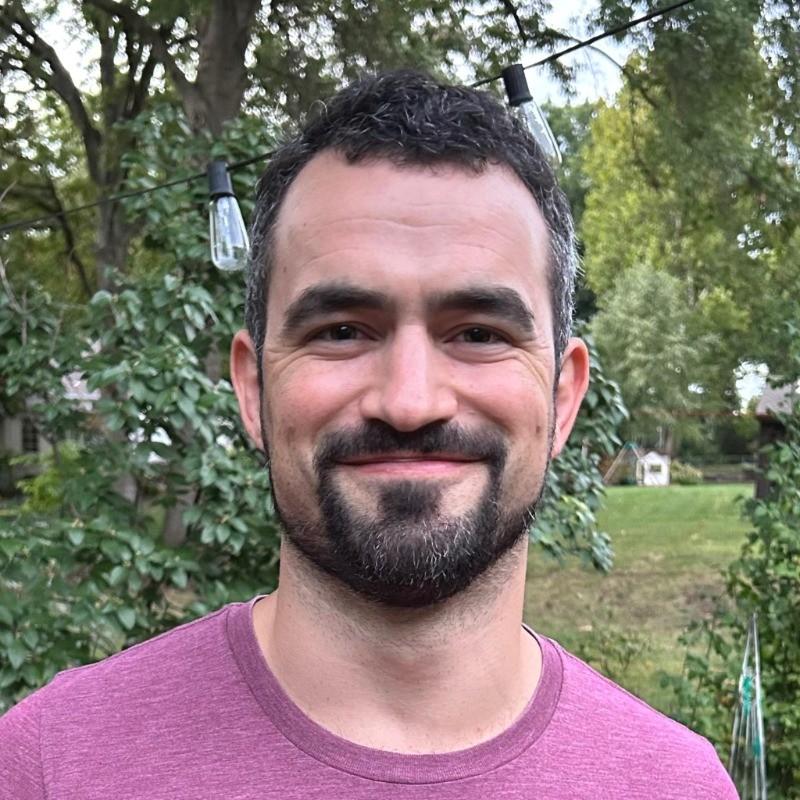
Roger Abbott founded Pure Kopi Luwak in 2018 after a trip through the volcanic highlands of Java, and has bought from the same farming families ever since. He only works with collectors of wild civet coffee, never caged. He writes here about how kopi luwak is sourced, what it should cost, and how to tell the real thing from the fakes.