Seoul had approximately 24,295 cafes operating in 2023 — more cafes per capita than almost any comparable city on earth. The number climbed from 69,000 nationally in 2019 to 102,000 by 2023. South Korea’s coffee market, valued at $13.67 billion in 2025 by Expert Market Research, is expanding at nearly 10% annually, projected to reach $34.50 billion by 2035. These are not the statistics of a country that discovered coffee recently. They are the numbers of a market that has gone through the full arc — from instant coffee post-war utility to third-wave obsession — in about three generations, and is now one of the most sophisticated specialty coffee cultures in the world.
Within that culture, kopi luwak occupies a specific and contested position: simultaneously a prestige marker and a cautionary tale, depending on who you ask.
How South Korea Got to Third-Wave Coffee This Fast
South Korea’s relationship with coffee began in earnest after the Korean War, when American military presence introduced instant coffee via military rations. The “dalgona” tradition — hand-whisked instant coffee beaten into a foam, which went viral globally in 2020 — has roots in the Korean pojangmacha (street stall) culture of the 1960s and 70s, when Maxim-brand instant coffee mixed with sweetened condensed milk was the standard. That this drink became a global trend in 2020 while South Korea’s specialty shops were simultaneously competing at World Barista Championships says something about the breadth of the country’s coffee spectrum.
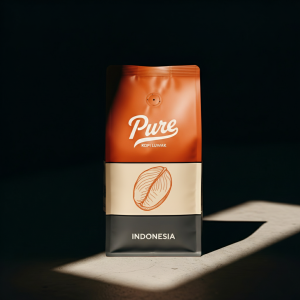
Pure Kopi Luwak
Wild civet coffee from Java. 88.5 SCA cupping score. From $125 for 100g.
The specialty coffee transition began in earnest in the 2000s. Starbucks opened its first Korean location in 1999 — in Ewha Women’s University, a detail Korean coffee historians note as significant — and the subsequent expansion of international chains created consumer familiarity with espresso-based drinks. By the 2010s, independent specialty roasters were operating in Hongdae and Yeonnam-dong in Seoul, the Seomyeon district in Busan, and café clusters in Jeju Island that became specialty pilgrimage destinations. By 2019, South Korea was clocking 13% annual growth in specialty coffee according to World Coffee Portal.
The Korean Approach to Rare and Premium Coffees
Korean specialty coffee culture has developed a distinct aesthetic — minimalist café design, extremely precise brewing, often single-origin pour-overs prepared to exacting standards — that prizes transparency and quality over spectacle. This creates a somewhat ambivalent relationship with kopi luwak, which is simultaneously the most well-known “rare” coffee globally and, in the Korean specialty community’s eyes, a product compromised by decades of cage-farming fraud.
Korean café culture distinguishes sharply between entertainment and expertise. The ultra-premium coffee segment in Seoul has been more interested in Cup of Excellence auction lots, naturals from Ethiopia, and limited anaerobic process coffees than in kopi luwak’s celebrity status. Coffee competitions are taken seriously in Korea — the 2014 World Barista Champion, Hidenori Izaki, was Japanese, but Korean baristas have consistently placed in international finals, and the level of technical knowledge among professional baristas in Seoul is genuinely world-class.
Within this context, wild-sourced kopi luwak — authentic, traceable, from free-roaming civets in Java’s highland farms — commands respect that cage-farmed imitations do not. Korean specialty consumers have proven sophisticated enough to distinguish between the product’s cultural baggage and its genuine coffee science credentials when the provenance is verifiable.
Try the coffee this article is about
Wild-sourced from Java, 88.5 SCA cupping score, free US shipping. From $125 for 100g.
Shop Pure Kopi Luwak →Gift Culture and the Premium Coffee Market
South Korea’s gift culture (선물 문화, seonmul munhwa) has been a significant driver of the premium coffee market. Chuseok (autumn harvest festival) and Seollal (Lunar New Year) gift sets regularly feature specialty coffee products at the premium end, and major department stores including Lotte and Shinsegae carry high-end coffee gift boxes that reflect status as much as preference. In this context, kopi luwak’s position as the world’s most famous rare coffee — provided it is authentically sourced — maps directly onto Korean premium gifting logic.
The market for luxury coffee gifts in Korea has grown alongside the country’s broader premiumization trend. Younger Korean consumers increasingly apply the same discernment to coffee that their parents’ generation applied to whiskey and wine: provenance matters, story matters, and a gift that comes with a traceable origin narrative is worth significantly more than one that does not. This is why wild-sourced kopi luwak from Java, with its 300-year colonial history and verified ethical production chain, resonates more in the contemporary Korean premium market than unnamed civet coffee in an unmarked bag.
Pour-Over Culture and the Kopi Luwak Brewing Question
Korean specialty coffee’s dominant brewing preference — precise temperature-controlled pour-over, often using V60 or Chemex, with gram-accurate measurements — is actually one of the better methods for expressing kopi luwak’s flavor profile. The low-bitterness, smooth-bodied character of authentic wild kopi luwak shows well under the clarity that pour-over brewing produces. Korean baristas who have worked with authentic wild-sourced samples often describe it in terms that align with what the coffee science predicts: smooth, full-bodied, with a clean finish that does not require milk or sugar to balance bitterness that was never there.
The counterpoint in Korean coffee culture is that the country’s specialty scene has a strong preference for vibrant, high-clarity, fruit-forward coffees — washed Ethiopians, naturals from Central America — over the deeper, earthier profiles of Indonesian origins. Kopi luwak, especially Javanese, tends toward chocolate and earth rather than berry and citrus. It occupies a different flavor category than what drives specialty coffee trends in Seoul’s most design-forward cafés, which is part of why it sits more naturally in the premium gifting and rarity market than in the everyday rotation of specialty drinkers.
For those curious about how kopi luwak compares to other premium rare coffees that Korean specialty consumers might encounter, the comparison with Black Ivory Coffee — Thailand‘s elephant-processed coffee — is instructive. And for a broader view of how Indonesian coffees fit into the Asian specialty market, the Indonesian coffee guide provides context on why Java, Sumatra, and Sulawesi continue to command attention from the world’s most discerning coffee buyers.
Pure Kopi Luwak
Wild civet coffee from Java. 88.5 SCA cupping score. From $125 for 100g.
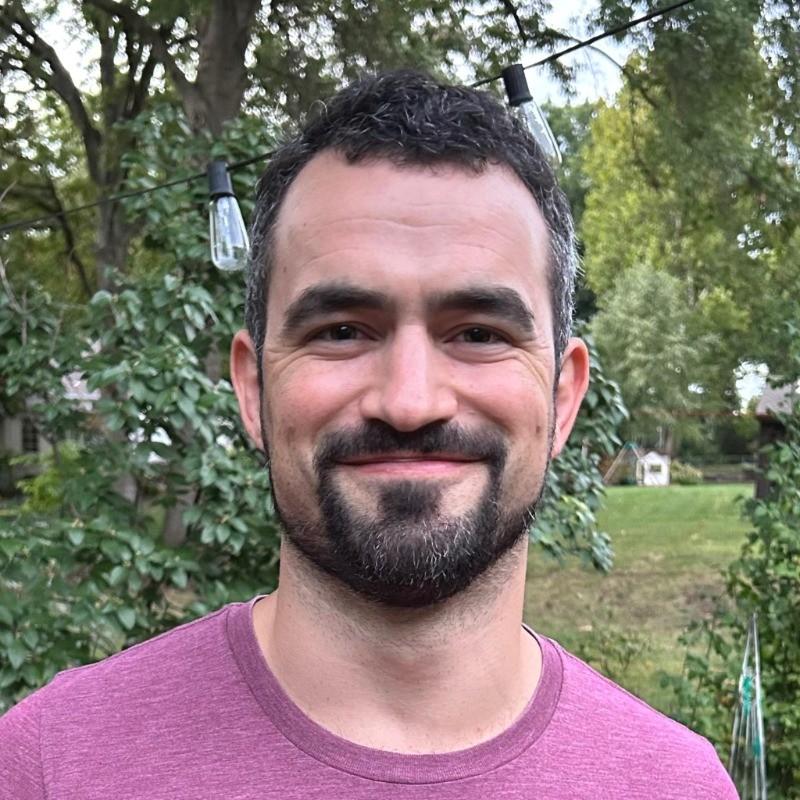
Roger Abbott founded Pure Kopi Luwak in 2018 after a trip through the volcanic highlands of Java, and has bought from the same farming families ever since. He only works with collectors of wild civet coffee, never caged. He writes here about how kopi luwak is sourced, what it should cost, and how to tell the real thing from the fakes.