The Specialty Coffee Association’s cupping protocol specifies exactly 11 grams of ground coffee per 200 milliliters of water, water temperature between 92 and 94°C, and a three-minute brew time before breaking the crust. That precision exists for a reason: controlled conditions are what allow meaningful comparison. When you’re hosting a kopi luwak tasting, you’re borrowing those same principles — not to produce a competition score, but to give your guests an actual experience rather than an impressive price tag followed by mediocre coffee.
Done well, a kopi luwak tasting is one of the more memorable food and drink experiences you can host. Done poorly, it’s expensive coffee that nobody can evaluate because the cups were wrong, the comparison was absent, or the conversation dominated the sensory experience. Here’s how to make it the former.
The Structure: What You’re Actually Tasting
The most revealing format for a kopi luwak tasting is a comparative one. Start with a high-quality Javanese or Sumatran Arabica as the reference coffee — ideally from the same general origin as your kopi luwak. Then introduce the kopi luwak. Your guests should taste the reference first, then the kopi luwak, then return to the reference. This back-and-forth structure is what makes the differences tangible rather than theoretical.
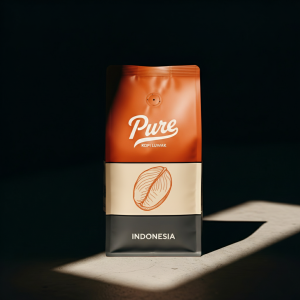
Pure Kopi Luwak
Wild-sourced. Organic. Arabica. From $100.
The SCA’s 100-point cupping scale evaluates: fragrance/aroma, flavor, aftertaste, acidity, body, balance, uniformity, clean cup, sweetness, and overall impression. You don’t need to score formally, but these categories give your guests language. Before the tasting begins, briefly walk through what to notice: the sharpness of the acidity, the weight of the body, the presence of bitterness in the finish, the length of the aftertaste. People who have never been asked to notice these things will suddenly discover they can.
Limit the tasting to three coffees maximum. More than three and palate fatigue sets in, comparisons blur, and guests start conflating what they tasted in which cup. Two coffees done well — the reference Arabica and the wild kopi luwak — produce sharper impressions and more interesting conversation than five coffees tasted carelessly. The full kopi luwak tasting notes guide provides vocabulary for each flavor dimension if you want to brief your guests in advance.
Equipment and Quantities
For a group of six to eight guests, plan on 50 grams of kopi luwak, which will produce approximately eight to ten cups at a 15:1 brew ratio. Whole beans, ground immediately before serving, give you an opportunity to discuss aroma at the grinding stage — the dry fragrance of freshly ground kopi luwak is notably different from conventional coffee and is worth pausing on before the brewing begins.
Uniform cups matter more than you might expect. White ceramic, ideally the same shape and size, eliminates visual variables and ensures everyone is working from the same baseline. Wide-mouthed cups or large-bowl wine glasses work well for aroma evaluation. Coffee mugs are fine for drinking but suboptimal for smelling.
Water quality is not optional. Mineral-heavy tap water suppresses delicate aromatics and can introduce flavors that obscure what you’re trying to evaluate. Filtered water or a low-mineral bottled water produces a cleaner cup. The water selection guide for kopi luwak explains the ideal mineral profile in more detail — ideally total dissolved solids between 80 and 150 ppm.
Temperature Sequencing
Serve the cups at slightly different temperatures and ask guests to taste the same coffee at each stage. Wild kopi luwak at 85°C reveals primary aroma and initial flavor. At 65°C the body and texture become more apparent — the syrupy quality is most perceptible in this mid-range. At 45°C the finish length and any residual bitterness (or lack thereof) become the dominant sensory experience.
This three-temperature evaluation is something professional cuppers do routinely. It demonstrates that kopi luwak’s smoothness isn’t simply the effect of heat masking bitterness — the finish stays clean even as the cup cools, which is one of the most reliable markers distinguishing wild-sourced product from caged or conventional alternatives.
Setting the Context Without Overselling
The biggest mistake hosts make is front-loading the price and the exotic story before the first sip. When guests know they’re drinking something that costs $150 per 100 grams, the psychological pressure to taste something extraordinary produces either forced enthusiasm or defensive skepticism. Both responses obscure honest evaluation.
A better approach: serve the reference coffee first, have guests describe what they taste, then serve the kopi luwak without labeling it, and ask the same questions. After they’ve formed their own impressions, tell them what they were drinking. The contrast between their unbiased sensory response and the revelation of what it is produces a much more authentic and satisfying experience than the alternative.
Save the origin story — the biology of civet cherry selection, the collection from forest floors in highland Java, the enzymatic changes that create the smoothness — for after the first impressions have been recorded. That knowledge enriches what they’ve already tasted rather than contaminating the evaluation with expectation.
Pairing and Palate Cleansing
Sparkling water between cups is sufficient for palate cleansing. Plain crackers or unsalted bread work if guests are hungry, but avoid anything flavored or sweet that might linger. Chocolate is traditional with coffee tasting but save it for the discussion phase — dark chocolate at 70% or above pairs particularly well with kopi luwak’s earthy, chocolatey profile and gives you something to discuss in terms of complementary rather than contrasting flavors.
The coffee pairing options extend significantly from there — kopi luwak’s low acidity makes it exceptionally food-friendly — but for a tasting event focused on the coffee itself, simplicity serves better than a full spread. The point is to taste the coffee, not to fill the table with distractions. The food pairing guide is worth consulting if you want to build a more elaborate event around the coffee rather than treating it as the centerpiece of a structured tasting.
When the cups are empty and the conversation is flowing, that’s when you bring out the extra bag your guests didn’t know you’d ordered. The best way to end a kopi luwak tasting is to let people leave with a small amount to brew at home. The memory of the experience translates differently when they recreate it at their own kitchen table — and that’s often when the full value of what they tasted finally lands.
Pure Kopi Luwak
Wild-sourced. Organic. Arabica. From $100.