Texas Coffee Traders has been roasting beans in Austin since 1994, longer than most of the city’s celebrated tech industry has existed. In the three decades since, Austin’s coffee culture has grown from a few espresso bars into one of the most enthusiastic specialty coffee communities in the country — a development that has created real demand for kopi luwak among Texas buyers who know exactly what they’re looking for.
What most Texans quickly discover is that authentic wild-sourced kopi luwak is not a coffee you walk into a shop and find on a shelf. It never really has been. The supply is too small, the authenticity requirements too strict, and the customer base too discerning for it to sit next to commodity blends in a retail fixture. Understanding why that’s the case — and where Texas coffee enthusiasts actually find it — requires understanding what genuine kopi luwak is and isn’t.
What Texas Coffee Culture Actually Demands
Austin’s specialty coffee scene has, over the past decade, developed a vocabulary and a palate that primes its drinkers for kopi luwak. The city’s concentration of direct-trade roasters, Q Grader-certified baristas, and consumers who track single-origin sourcing has created exactly the kind of informed customer base that can appreciate what wild civet processing actually does to a coffee’s chemistry. The enzymatic transformation that happens during a wild civet’s 12-to-24-hour digestive cycle reduces bitterness precursors and modifies surface chemistry in ways that express clearly in the cup — but only if you’ve trained your palate to notice what’s absent, not just what’s present.

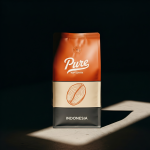
Pure Kopi Luwak
Wild civet coffee from Java. 88.5 SCA cupping score. From $125 for 100g.
Houston’s international community adds another dimension. As one of the most ethnically diverse cities in the United States, Houston has long had access to Southeast Asian food culture, Indonesian restaurants, and the kind of culinary curiosity that makes kopi luwak a natural conversation topic at dinner tables where the hosts have actually visited Java. Dallas‘s luxury retail sector rounds out the state’s geography: the city’s appetite for premium experiences — the kind that comes with a provenance story — maps cleanly onto kopi luwak’s profile as the world’s rarest commercially produced coffee.
Why Retail Shelves Aren’t the Answer
The inconvenient truth about kopi luwak in Texas, and everywhere else in the United States, is that virtually any bag you find in a physical store deserves immediate skepticism. A 2013 BBC investigation found that coffee marketed as wild civet coffee — including products sold at major London retailers — frequently originated from caged civets kept in conditions that eliminate both the animal welfare justification and the quality advantages of genuine wild sourcing. Caged civets are force-fed undifferentiated coffee cherries rather than selecting peak-ripe fruit through natural foraging behavior. The enzymatic processing that makes wild kopi luwak worth its price is a function of a healthy, naturally-feeding animal choosing the best cherries available. None of that survives the transition to captivity.
This is why serious Texas buyers — the ones in Austin’s specialty coffee community who have done the research, the Houston food enthusiasts who want to serve authentic kopi luwak at a dinner party, the Dallas collectors who keep single-origin lots from multiple harvests — don’t look for kopi luwak on retail shelves. They source it directly.
Try the coffee this article is about
Wild-sourced from Java, 88.5 SCA cupping score, free US shipping. From $125 for 100g.
Shop Pure Kopi Luwak →The Direct Sourcing Advantage
For Texas residents, the most reliable path to authentic wild kopi luwak runs through producers who offer full traceability: a named origin (not just “Indonesia”), documentation of wild collection, and a roasting date close enough to delivery that the enzymatic transformation work isn’t undone by oxidation before the bag is opened. Pure Kopi Luwak ships directly from wild-sourced Javanese production to anywhere in Texas, which means buyers in Austin, Houston, and Dallas can get the real product without the uncertainty of retail supply chains where “wild-sourced” is frequently a label rather than a verified practice.
The practical advantage for Texas buyers is significant. Direct sourcing means you can ask specific questions about harvest timing, roast profile, and storage conditions. You can verify the origin story before committing to a purchase. And you can be confident that what arrives has been handled with the same care that went into producing it — which matters considerably when you’re spending serious money on a coffee that represents months of wild civet foraging, careful collection, washing, and medium roasting.
How to Brew It Once You Have It
Texas’s climate deserves a mention here, because storage conditions matter for kopi luwak in a way they don’t for commodity coffee. Summer temperatures in Austin, Houston, and Dallas routinely push past 38°C (100°F), which accelerates the oxidation and volatile loss that degrades coffee faster than anything else. Once you receive your kopi luwak, store it in an airtight container away from heat and direct light, and plan to brew within four to six weeks of the roast date. The medium roast profile typical of quality kopi luwak preserves the enzymatic modifications from the civet’s digestive process — a dark roast would destroy exactly the characteristics that justify the price.
For brewing, Austin’s pour-over culture is actually well-suited to kopi luwak. The method’s control over water temperature and flow rate allows you to extract the full complexity of the civet’s enzymatic work without introducing the bitterness that pressure extraction can amplify. Water at 93°C, a medium grind, and a 3-4 minute total brew time gives you a cup that expresses kopi luwak’s distinctive smoothness without flattening the chocolatey, earthy Javanese character underneath it.
The Texas Coffee Community and Kopi Luwak Education
One genuine advantage Texas coffee enthusiasts have is the depth of their specialty coffee community. Austin’s coffee culture in particular has developed strong cupping programs, sensory education events, and a general willingness to engage seriously with coffee provenance. If you’re serving kopi luwak to guests — as many Houston hosts do with special-occasion coffees — the conversation it generates is itself part of the experience. Explaining the biology of wild civet processing, the difference between wild and caged production, and why a 100g bag costs more than a dinner at a good restaurant is a story that Texans, with their appreciation for big, substantive things, tend to receive well.
The story of kopi luwak in Texas isn’t really about which shops stock it. It’s about a growing community of coffee enthusiasts sophisticated enough to demand the real thing — and informed enough to know where to find it. For anyone in Austin, Houston, or Dallas ready to experience authentic versus fake kopi luwak, the path starts with sourcing directly from producers who can prove what’s in the bag.
Pure Kopi Luwak
Wild civet coffee from Java. 88.5 SCA cupping score. From $125 for 100g.
Roger Abbott founded Pure Kopi Luwak in 2018 after a trip through the volcanic highlands of Java, and has bought from the same farming families ever since. He only works with collectors of wild civet coffee, never caged. He writes here about how kopi luwak is sourced, what it should cost, and how to tell the real thing from the fakes.