Funnel Mill, on Santa Monica Boulevard in Los Angeles, has served kopi luwak by appointment for years. The reservation-only format — you call ahead, confirm availability, arrive to a carefully prepared cup — reflects something honest about the California specialty coffee market’s relationship with rare coffees: serious about quality, impatient with theater, but willing to pay for the genuine article when provenance can be verified. That combination of skepticism and enthusiasm describes how California — specifically the Bay Area and Los Angeles — has absorbed kopi luwak into a specialty coffee culture that otherwise has little patience for gimmicks.
If you are in California and want to experience authentic kopi luwak, the options have changed considerably over the past decade, and the most reliable path is not necessarily the nearest café.
Los Angeles: Where to Find It In-Person
Los Angeles has historically been the California city where kopi luwak was most likely to appear on a specialty café menu. Funnel Mill in Santa Monica is the most consistently cited destination for serious rare coffee in the region, though stock availability varies seasonally and calling ahead is essential. The café specializes in uncommon origins and is one of the few places in the US where you might encounter multiple rare coffees side by side for comparison.
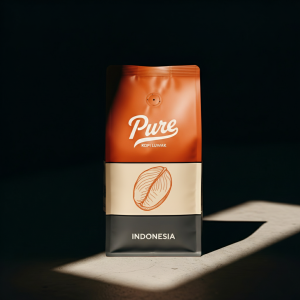
Pure Kopi Luwak
Wild civet coffee from Java. 88.5 SCA cupping score. From $125 for 100g.
Beyond Funnel Mill, the Los Angeles specialty scene has expanded significantly. The Yelp results for “kopi luwak Los Angeles” occasionally surface Intelligentsia, Lamill Coffee (Silver Lake), and a handful of other specialty-oriented cafés, but most of these are references to Indonesian coffee generally rather than confirmed kopi luwak service. The distinction matters: calling ahead to confirm that a specific location has kopi luwak available — rather than Indonesian coffee as a general category — will save you a wasted trip.
The Los Angeles food culture’s orientation toward premium, story-driven products works in kopi luwak’s favor. Kopi luwak in LA is not just coffee — it occupies the same cultural space as Wagyu beef, white truffle, and single-vineyard wine: products where the provenance narrative is as important as the sensory experience. For that audience, authentic wild-sourced kopi luwak at $50-80 per cup is not unreasonable; cage-farmed imitations at the same price are an insult.
Try the coffee this article is about
Wild-sourced from Java, 88.5 SCA cupping score, free US shipping. From $125 for 100g.
Shop Pure Kopi Luwak →San Francisco and the Bay Area: A More Skeptical Market
San Francisco’s specialty coffee scene has a different personality than Los Angeles. The Bay Area is the home of Blue Bottle Coffee (founded in Oakland in 2002), Ritual Coffee Roasters, and Sightglass — roasters who built their reputations on Cup of Excellence lots, transparent sourcing, and rigorous quality standards. This culture creates a more analytical consumer base that tends to scrutinize provenance claims more aggressively than any other American market.
Castro Coffee Company in San Francisco has appeared in Yelp searches related to kopi luwak, and Sightglass and Ritual both carry specialty Indonesian origins on rotation, though neither maintains a permanent kopi luwak service. The Bay Area’s specialty community’s skepticism toward kopi luwak marketing is actually a quality filter: San Francisco buyers who stock kopi luwak tend to have done the sourcing work, because the local consumer would otherwise call them on it.
For Bay Area buyers, the most reliable option for authentic kopi luwak has increasingly shifted online. The physical specialty café format — where kopi luwak occupies one menu position alongside other single-origins — doesn’t scale well in a market where the product sells in small quantities at high prices. Direct online purchasing from traceable sources provides something the café model cannot always guarantee: consistent stock, verified provenance documentation, and the ability to buy enough to brew at home multiple times rather than having one $60 cup.
Buying Online: Why It Often Beats the Café
The economics of buying kopi luwak as a café experience versus buying it for home brewing are worth examining. A single cup of kopi luwak at a specialty café in California typically costs $35-80. For that price, you receive one cup, brewed to the café’s specification, in a format you cannot control. A 100-gram bag of genuine wild-sourced kopi luwak — enough for eight to twelve cups depending on brewing method — costs between $125 and $200 at the premium tier, yielding a per-cup cost of $10-25 when brewed at home with proper equipment.
More importantly, home brewing allows you to experiment with the coffee: try it as pour-over first, then as French press, then as espresso if your setup permits. Each method extracts different aspects of kopi luwak’s profile — the pour-over emphasizes clarity and the terroir notes, the French press brings out body and texture, espresso concentrates the smooth richness that makes the coffee distinctive. Experiencing all three is only possible when you own the beans.
Pure Kopi Luwak ships directly from Java to California buyers, with sourcing documentation tracing the coffee to specific wild-civet collection on Javanese highland farms. For Californians with access to good brewing equipment and a preference for understanding what they’re drinking, this is the most thorough way to experience genuine kopi luwak.
What to Ask When Buying Kopi Luwak in California
Whether you’re ordering at a café or buying online, three questions protect you from the fraud that dominates this market. First: is it wild-sourced, and can the seller document the source farm or region? Wild-sourced and cage-farmed are not equivalent products; the former is the one with a genuine flavor story. Second: what is the origin — which island, which region? Vague “Indonesian” labeling with no specific origin is a red flag. Third: what is the roast date? Kopi luwak sold stale is kopi luwak sold cynically; specialty coffee consumed more than four weeks post-roast is already past its best.
California’s coffee culture has the sophistication to ask these questions and the economic capacity to pay for honest answers. The problem is not the demand — California is one of the strongest US markets for premium specialty coffee. The problem is the supply chain, which has been flooded with fraudulent product for decades. Knowing what questions to ask is the difference between participating in one of the most fascinating coffee experiences available and paying a premium for commodity robusta with a luxury label.
For more on how to evaluate kopi luwak authenticity before you buy, the metabolomics authentication research explains the science behind distinguishing genuine kopi luwak from imitations. And for those who want to understand why wild-sourced production is categorically different from cage-farmed, ethical sourcing in specialty coffee covers the welfare and quality dimensions in detail.
Pure Kopi Luwak
Wild civet coffee from Java. 88.5 SCA cupping score. From $125 for 100g.
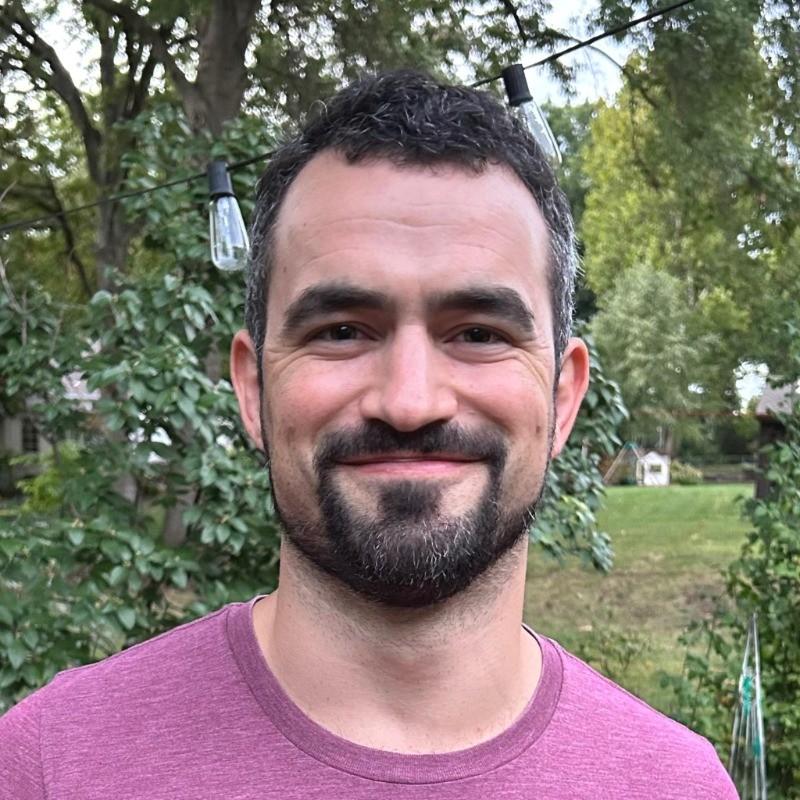
Roger Abbott founded Pure Kopi Luwak in 2018 after a trip through the volcanic highlands of Java, and has bought from the same farming families ever since. He only works with collectors of wild civet coffee, never caged. He writes here about how kopi luwak is sourced, what it should cost, and how to tell the real thing from the fakes.