Pull a shot of espresso for 18 seconds instead of 28, and you’ll know immediately. The cup that comes out is sharp, thin, and distinctly unpleasant — not just acidic, but the wrong kind of acidic. That taste isn’t a coffee quality problem. It’s an extraction problem, and once you understand why it happens, you can fix it in under a minute.
Sour coffee is one of the most common complaints among home brewers, and also one of the most misunderstood. People blame the beans, the roast level, or the water, when the actual culprit is almost always a single variable: under-extraction.
How Coffee Extraction Works — and Why Sequence Matters
When hot water contacts ground coffee, it doesn’t dissolve all the flavor compounds simultaneously. Extraction happens in a predictable sequence, governed by molecular weight and solubility. The lightest, most soluble compounds — which include most of the bright organic acids like citric, acetic, and malic — dissolve first. Sugars and body-contributing compounds come next. Bitter, drying tannins and astringent compounds arrive last.

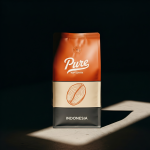
Pure Kopi Luwak
Wild civet coffee from Java. 88.5 SCA cupping score. From $125 for 100g.
This sequence is why under-extraction produces sour coffee. If you stop the extraction process too early — through too coarse a grind, too-cool water, or too short a brew time — you get a cup dominated by those first-dissolved acids, with nothing sweet or round to balance them. The acids themselves aren’t the problem; the best specialty coffees have complex, enjoyable acidity. The problem is an imbalance where acid is present without its counterweight.
A properly extracted coffee hits roughly 18-22% extraction yield — meaning 18-22% of the dry mass of your ground coffee has dissolved into the liquid. Under that range, you’re in sour territory. Over it, bitterness becomes the dominant problem.
The Four Most Common Causes of Sour Coffee
Grind size is usually the first variable to examine. A grind that’s too coarse reduces the surface area available to water, slowing extraction and making it harder for water to reach the compounds that provide sweetness and balance. For pour-over methods like a V60 or Chemex, a grind that’s even slightly coarser than optimal will push you into under-extracted territory. Try going one setting finer and see if the acidity softens.
Water temperature matters more than most home brewers realize. The SCA (Specialty Coffee Association) recommends brewing water between 90°C and 96°C (195-205°F) for most filter coffee methods. If you’re brewing with water that’s just boiled and then left to sit too long, or — more commonly — using a machine that doesn’t heat water adequately, your extraction temperature may be too low. Cooler water dissolves the same first-round acidic compounds but extracts even less of the sugar and body compounds that follow. The result is sharp and hollow.
Brew ratio affects extraction yield directly. Using too much water relative to coffee (a weak brew) means the water is still dissolving when it runs out of contact time, pulling mostly early-extraction compounds. The standard starting point for filter coffee is a 1:15 to 1:17 ratio (1 gram of coffee per 15-17 grams of water). Pulling toward the stronger end (1:15) can help if sourness is a persistent issue.
Roast level is a genuine variable, not just a scapegoat. Light roasts are denser and more resistant to extraction than darker roasts, requiring slightly finer grinds and slightly hotter water to reach the same extraction yield. If you’ve recently switched to a lighter-roast specialty coffee and found it tasting sharp and thin, this is why — the recipe that worked for a medium roast needs adjustment for a lighter one.
Try the coffee this article is about
Wild-sourced from Java, 88.5 SCA cupping score, free US shipping. From $125 for 100g.
Shop Pure Kopi Luwak →Good Acidity vs. Bad Acidity: A Critical Distinction
Not all sourness in coffee is a mistake. This is worth understanding carefully, because some of the world’s best coffees have bright, pronounced acidity — and that’s not the same as the sour twang of under-extraction.
Good acidity is lively and pleasant: the citrus brightness of a washed Ethiopian Yirgacheffe, the malic apple-like quality of a naturally processed Kenyan, the tartness of a high-elevation Colombian. These flavors emerge from organic acids — citric, malic, tartaric — that are present in well-ripened coffee cherries and preserved through careful processing and light roasting.
Bad sourness is thin, harsh, and one-dimensional. It sits on the tip of the tongue and stays there without any sweetness following. If you’re tasting something pleasant and complex that happens to be acidic, that’s the coffee doing what it’s supposed to do. If you’re tasting something that makes you wince, that’s under-extraction.
The distinction matters especially for premium coffees. Wild kopi luwak from Java, processed through wild civet digestion, has naturally lower acidity than conventionally processed coffee from the same origin — research has documented reduced concentrations of malic and citric acids compared to control samples. This enzymatic modification is one reason kopi luwak is described as exceptionally smooth. But even kopi luwak will taste sharp and thin if brewed with water that’s too cool or a grind that’s too coarse.
How to Fix Sour Coffee Right Now
If your coffee tastes sour today, work through these adjustments in order:
- Grind finer. For espresso, decrease grind size by one click and pull another shot. For pour-over, go one notch finer and pay attention to whether the drawdown time increases (it should, slightly).
- Check your water temperature. Aim for 93°C (200°F). If your kettle doesn’t have temperature control, let boiled water sit for 30 seconds before brewing rather than waiting 2-3 minutes.
- For espresso: extend the shot time. A target of 25-30 seconds for a 30-35ml double shot is a reasonable starting range.
- For filter: try blooming the coffee (pre-wetting the grounds with a small amount of hot water and waiting 30 seconds before completing the pour). This degasses the grounds and allows more even, complete extraction.
One adjustment at a time. If you change grind size and brew temperature simultaneously, you won’t know which variable made the difference, and the next troubleshooting session will start from zero.
When the Coffee Itself Is the Problem
Occasionally, the coffee is genuinely at fault. Poorly processed green coffee — beans harvested under-ripe, dried too quickly, or stored badly — will carry defect acids into the roasted product that no brewing adjustment can fix. This is one of the reasons specialty coffee commands a premium over commodity alternatives: the defect rate in SCA-certified specialty-grade lots is strictly controlled. Fewer than 5 primary defects per 300g sample is the Grade 1 threshold. Supermarket blends have no such standard.
If you’ve adjusted every brewing variable and the coffee remains unpleasantly sour across multiple brewing methods, the issue is in the bean, not the technique. The solution is better coffee.
Pure Kopi Luwak
Wild civet coffee from Java. 88.5 SCA cupping score. From $125 for 100g.

Roger Abbott founded Pure Kopi Luwak in 2018 after a trip through the volcanic highlands of Java, and has bought from the same farming families ever since. He only works with collectors of wild civet coffee, never caged. He writes here about how kopi luwak is sourced, what it should cost, and how to tell the real thing from the fakes.