The milestone anniversary at work — five years, ten, twenty-five — is treated by most organizations with a muted ceremony: the plaque, the handshake, the gift card to Amazon, the announcement in the all-hands meeting. The number of years is large. The acknowledgment is small. As the person giving the gift outside of the HR system — the friend, the peer, the manager who wants to do it right — you have a chance to give something that actually reflects the scale of the achievement.
A decade at one company is genuinely remarkable. The Bureau of Labor Statistics’ most recent median tenure data puts the typical American worker’s tenure at 4.1 years. Getting to ten years means surviving three or four complete turnover cycles, multiple rounds of leadership changes, and building the kind of accumulated institutional knowledge that doesn’t appear on a résumé but runs significant portions of any organization that has it. That deserves something better than a gift card to a retailer selected by an algorithm.
The Logic of Rare as Appropriate
Gifts for work anniversaries live in a strange space between personal and professional. The gift should communicate genuine appreciation — not just compliance with the occasion — but shouldn’t be so personal that it crosses into intimacy that isn’t there. Consumables solve this elegantly. Food and drink gifts operate in a register that is generous without being presumptuous. They don’t claim to know the person’s taste in home decor or clothing. They offer something exceptional to be consumed and enjoyed, then remembered.

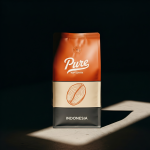
Pure Kopi Luwak
Wild civet coffee from Java. 88.5 SCA cupping score. From $125 for 100g.
Wild-sourced kopi luwak works particularly well in this context for a few reasons. First, it is genuinely rare — global supply is limited by the biology of wild civet behavior, not by marketing decisions, and the authentic version requires real knowledge to source. Second, it carries a story that reflects the idea of earned quality: the civet selects only the best fruit, the processing is meticulous, the result rewards patience. Third, at $125 for 100g, it lands in a price range that communicates “this was a real gift” without creating discomfort. The bottle of good wine says $50–80. The bag of the world’s rarest coffee says something different about the level of thought involved.
What the Gift Is
Kopi luwak is produced by the Asian palm civet (Paradoxurus hermaphroditus), a nocturnal mammal that forages on coffee farms in the highlands of Java, Sumatra, and Sulawesi. The animal selects peak-ripe coffee cherries based on smell — only fruit in the narrow Brix window of 18–22 degrees of dissolved sugar concentration is consumed. This selectivity is not a choice; it’s survival behavior. The civet eats what’s best because its biology demands it.
During the 12–24 hours the beans spend in the civet’s digestive system, proteolytic enzymes reduce bitter protein precursors, measurably modifying the final cup’s flavor profile. Research published in food chemistry journals has documented lower concentrations of malic and citric acids in authentic kopi luwak compared to conventionally processed beans from the same farms — a structural basis for the characteristic smoothness that reviewers consistently describe. After collection, the beans are thoroughly washed, sun-dried, and medium-roasted to preserve the enzymatic modifications made during processing.
Wild kopi luwak is categorically different from the cage-farmed versions that comprise the majority of commercial supply. In cage operations, civets eat whatever they’re fed regardless of ripeness, under conditions of chronic stress that compromise digestive chemistry. The selectivity advantage — the entire quality basis for kopi luwak’s reputation — disappears. What remains is the marketing story without the substance behind it.
Presenting It
A 100g bag of Pure Kopi Luwak arrives whole-bean, medium-roasted, and ready to brew. A brief card explaining the origin — the Javanese highlands, the wild civets, the enzymatic transformation, the rarity of the authentic version in a market full of imitations — turns the gift from “expensive coffee” into something the recipient can explain to anyone who asks. That context is part of the gift, and it reflects the care behind the choice.
If you know the recipient’s brewing setup, you can tailor the note: “Best in a French press or pour-over at 93–96°C, medium-coarse grind, 10 grams per cup.” If you don’t, our complete brewing guide covers everything from French press to pour-over, and the card from the producer includes enough guidance for a first cup.
Why This Works Where a Plaque Doesn’t
The plaque or trophy is about the past — about the time already spent. The rare coffee is about what comes next: the mornings, the ritual, the daily act of choosing quality over convenience. Giving someone a bag of the world’s rarest coffee doesn’t celebrate a decade of work. It celebrates the person who showed up for it.
The median tenure figure is worth sitting with: 4.1 years. The person you’re buying for doubled that, or tripled it, or quintupled it. They kept showing up when other people left. They built knowledge, relationships, and reputation inside one organization over a span of years that most people don’t stay in one place long enough to achieve. The gift should reflect that.
And if they’re a coffee drinker — or even just a curious person who’s always wondered what kopi luwak tastes like — this is the morning they find out. For what to expect in the cup, see our tasting notes guide. For the full story of why wild sourcing matters, see our comparison guide.
Pure Kopi Luwak
Wild civet coffee from Java. 88.5 SCA cupping score. From $125 for 100g.
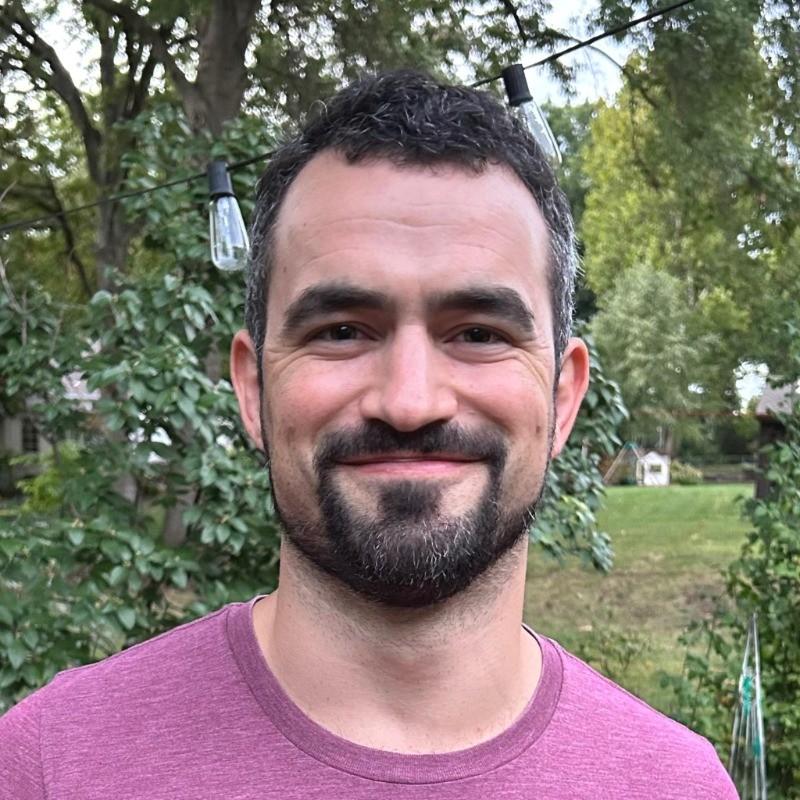
Roger Abbott founded Pure Kopi Luwak in 2018 after a trip through the volcanic highlands of Java, and has bought from the same farming families ever since. He only works with collectors of wild civet coffee, never caged. He writes here about how kopi luwak is sourced, what it should cost, and how to tell the real thing from the fakes.