A single cup of authentic wild kopi luwak at a Manhattan specialty cafe can cost $80. The same coffee brewed at home from beans you’ve sourced directly from a verified Indonesian producer costs somewhere between $8 and $12 per cup. These are not different products — they are the same coffee at different points in a supply chain, and understanding the math at each step makes the at-home calculation straightforward.
The Home Brewing Calculation
Start with the beans. Authentic wild kopi luwak retails at roughly $100 to $150 per 100 grams from verified producers. Using 8 grams per cup — a standard dose for pour-over — a 100-gram bag yields approximately 12 to 13 cups. At $125 per 100 grams (a representative mid-market price), each cup costs just under $10 in coffee grounds. That is the floor: $8 to $12 per cup at home, depending on your brewing method and how much coffee you use per serving.
Brewing method affects the number meaningfully. Espresso uses 7 grams per double shot — closer to $8.75 per serving at $125 per 100g. French press typically calls for 10 to 12 grams per cup, pushing the per-cup cost to $12 to $15. Pour-over at 8 to 10 grams sits in between. The variables are small, but if you want to maximize cups per gram, espresso wins.
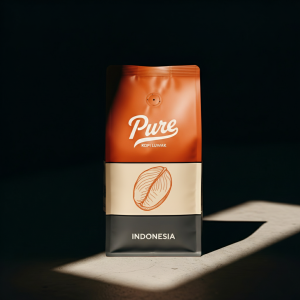
Pure Kopi Luwak
Wild civet coffee from Java. 88.5 SCA cupping score. From $125 for 100g.
What Cafe Prices Actually Reflect
Specialty cafes in New York, London, and Singapore typically charge $50 to $100 per cup for wild kopi luwak — when they offer it at all. The markup over ingredient cost is steep, and it is not arbitrary. A cafe serving kopi luwak must account for the cost of sourcing and authentication (legitimate kopi luwak often requires laboratory verification), the risk of holding expensive low-volume inventory, insurance against fraudulent stock, trained staff who can explain the coffee and justify the price to skeptical customers, and the overhead of operating in expensive real estate markets. In Tokyo, the price per cup at specialty establishments runs ¥3,000 to ¥5,000 — roughly $20 to $35 — reflecting a slightly more accessible luxury market positioning than American or European equivalents.
The extreme end of the spectrum is Harrods in London, which has sold 250 grams of wild kopi luwak for £500. At that price, each cup costs roughly £30 to £40 in coffee grounds alone, plus whatever premium the retailer commands for the experience and the package.
Comparison With Other Premium Coffees
It is useful to anchor these numbers against other high-end options. Starbucks Reserve Jamaica Blue Mountain has been offered at $12 per cup at Reserve locations. Black Ivory Coffee — the Thai elephant-processed coffee produced in Chiang Rai — retails at approximately $150 per 35 grams, which works out to over $40 per cup when brewed at home. At $50 per cup at partner hotels like the Anantara, it is the only coffee category that consistently exceeds kopi luwak in per-cup price.
Against standard specialty coffee — the $20 to $35 per 250g single-origin bags from well-regarded roasters — the math is equally stark. A $30 bag of excellent Colombian Gesha yields about 25 cups at $1.20 per cup. The $10-per-cup difference between that and wild kopi luwak buys you something specific: the chemical transformation produced by civet digestion, a process no roaster can replicate. The acid-reduced, protein-modified, more bioavailable coffee in your cup is a distinct product, not just a more expensive version of the same thing.
What You Are Actually Paying For Per Cup
Producing one kilogram of finished wild kopi luwak requires collecting somewhere between 5 and 10 kilograms of raw civet droppings, depending on terrain, civet activity, and cherry season. Each collection involves trained workers navigating mountainous plantation edges, often in low light, searching for deposits from animals whose movements are unpredictable. A full morning of collection might yield 100 to 150 grams of recoverable beans — about one to two cups of finished coffee per person-day of labor.
That labor cost, plus multi-stage washing and sanitization, slow sun-drying, hand-sorting, small-batch roasting, and international shipping, accounts for why the ingredient cost per cup runs $8 to $12 at home — and why cafes add a substantial premium on top of that. The per-cup cost is not high because of the story. It is high because every gram represents an unusual concentration of irreplaceable human effort applied to a process no machine can automate.
For the full breakdown of why production costs accumulate as they do, the guide on why kopi luwak is expensive covers each cost layer in detail. For context on pricing by region and quality grade, the global kopi luwak price guide provides current market data.
Pure Kopi Luwak
Wild civet coffee from Java. 88.5 SCA cupping score. From $125 for 100g.
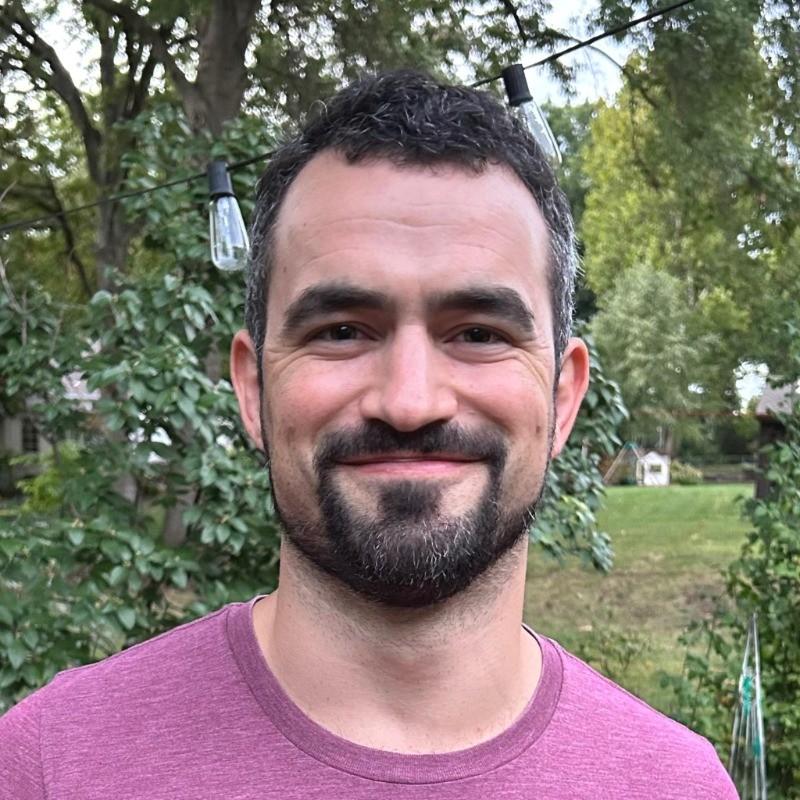
Roger Abbott founded Pure Kopi Luwak in 2018 after a trip through the volcanic highlands of Java, and has bought from the same farming families ever since. He only works with collectors of wild civet coffee, never caged. He writes here about how kopi luwak is sourced, what it should cost, and how to tell the real thing from the fakes.