Most visitors to Indonesia arrive in Bali, see a civet in a cage surrounded by tourist signage, pay $8 for a small cup, and return home having experienced precisely the worst version of kopi luwak while under the impression they’ve seen authentic Indonesian coffee culture. It’s a poor introduction to a country that produces approximately 760,000 metric tons of coffee per year — making it the fourth-largest coffee-producing nation on earth — across an archipelago of distinct microclimates, highland plateaus, and centuries-old farming traditions.
The actual coffee tourism in Indonesia lives elsewhere: in the Rancabali district of West Java, in the Sidamanik highlands of North Sumatra, in Toraja’s mountain villages, in the volcanic plateaus of Flores. These are places where coffee isn’t a tourist attraction layered on top of something else — it’s the economic and cultural foundation of the community.
Java: Where Kopi Luwak Has Its Roots
Java’s connection to coffee predates the modern specialty industry by centuries. Dutch colonial planters introduced coffee cultivation to the island in the 17th century, and Java became so synonymous with coffee globally that “a cup of java” entered the English language as a synonym for coffee itself. The highland coffee-growing regions of West Java — particularly the Rancabali area in the Bandung regency — remain active, producing Arabica under timber forest canopy leased from the government to local farming cooperatives.
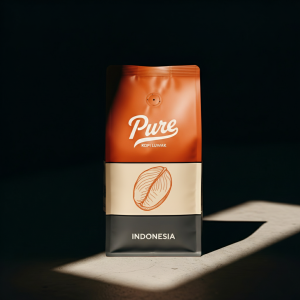
Pure Kopi Luwak
Wild civet coffee from Java. 88.5 SCA cupping score. From $125 for 100g.
Sweet Maria’s Coffee, one of the most respected green coffee importers in the specialty market, documented visits to Java’s Sunda growing areas that confirm the distinctive character of this landscape: shade-grown under state forest timber, farmed by smallholders whose families have worked the same land for generations. The coffee produced here forms the base for wild kopi luwak from Javanese highland farms, where free-ranging civets move through the canopy alongside the Arabica cultivars they’ve coexisted with for hundreds of years.
For visitors, the Bandung highlands offer a more grounded coffee experience than anything available in Bali. You can visit processing stations where wet-hulling — the distinctive Indonesian Giling Basah method — is performed, tour farms where the altitude and volcanic soil that give Javanese Arabica its characteristic earthy depth are visible and tangible, and occasionally, if you’re there during harvest season (typically May through August), witness the collection of wild kopi luwak. The historical context of Java’s coffee production enriches everything you see on the ground.
Try the coffee this article is about
Wild-sourced from Java, 88.5 SCA cupping score, free US shipping. From $125 for 100g.
Shop Pure Kopi Luwak →North Sumatra: Lakes, Villages, and the Full Processing Chain
The Sidamanik area in North Sumatra offers multi-day coffee immersion experiences centered on following the crop from harvest through processing. The typical structure — day one in the fields with farmers for picking and initial sorting, day two covering honey processing and the visit to Lake Toba — covers the full arc of specialty coffee production in a way that few destinations globally can match.
Sumatra’s coffee, primarily Arabica grown around the Lake Toba caldera and in the Gayo highlands of Aceh, is famous in specialty coffee circles for its wet-hulled processing and the unusual low-acid, full-body profile that results. Sumatran coffee is a direct sensory relative of kopi luwak — both exhibit that characteristic earthy smoothness that comes from particular processing methods and highland terroir. Understanding Sumatran coffee in situ makes the flavor profile of kopi luwak considerably more legible.
Tours by Locals offers a Sumatra Coffee Tour departing from Medan that provides direct access to smallholder farmers in Sidamanik — the kind of unmediated experience that most organized tours replace with a staged demonstration. The farmers in these communities are genuinely knowledgeable about their craft and, through a local guide who speaks both Bahasa and English, willing to explain processing decisions that a foreign visitor would otherwise have no way to access.
Sulawesi Toraja: Elevation and Ceremony
Sulawesi’s Toraja region produces some of Indonesia’s most distinctive Arabica — grown at elevations between 1,400 and 2,000 meters on steep, terraced hillsides, in a landscape defined by traditional tongkonan houses and a cultural relationship with agriculture that extends well beyond coffee. Torajan coffee has a clean, bright character unusual for Indonesian coffee, reflecting the altitude and the care with which smallholders here manage their crops.
Coffee tourism in Toraja is embedded in a broader cultural experience — the region is known for its elaborate funeral ceremonies and animist Aluk To Dolo traditions, and visiting during ceremonial periods provides context for understanding how deeply agricultural production is woven into social and spiritual life. Coffee here is not a commodity abstracted from community; it is part of the same fabric as the ceremonial buffaloes and the family tomb carvings. The Sulawesi Toraja coffee profile gives more detail on the varietal and processing characteristics that distinguish this region.
What Distinguishes Genuine Coffee Tourism from the Bali Civet Experience
The defining characteristic of authentic Indonesian coffee tourism is access to the farming and processing stages rather than just the consumption stage. Watching wet-hulling, understanding why Indonesian farmers developed it as an adaptation to humid highland conditions, tasting green coffee at different stages of drying — these are educational experiences that change how you drink coffee afterward. They are also completely invisible from the tourist economy that surrounds the staged civet demonstrations in Ubud and Seminyak.
The Bali civet experience will continue to exist because it’s profitable and visually accessible. But for anyone with genuine curiosity about why Indonesian coffee — and wild-sourced kopi luwak specifically — tastes the way it does, the highland farms of Java, Sumatra, Sulawesi, and Flores offer an entirely different level of understanding. The distance from the airport is greater; the payoff is incomparable. The comprehensive guide to Indonesian coffee regions provides a framework for planning which regions to prioritize given your interests and available time.
Pure Kopi Luwak
Wild civet coffee from Java. 88.5 SCA cupping score. From $125 for 100g.
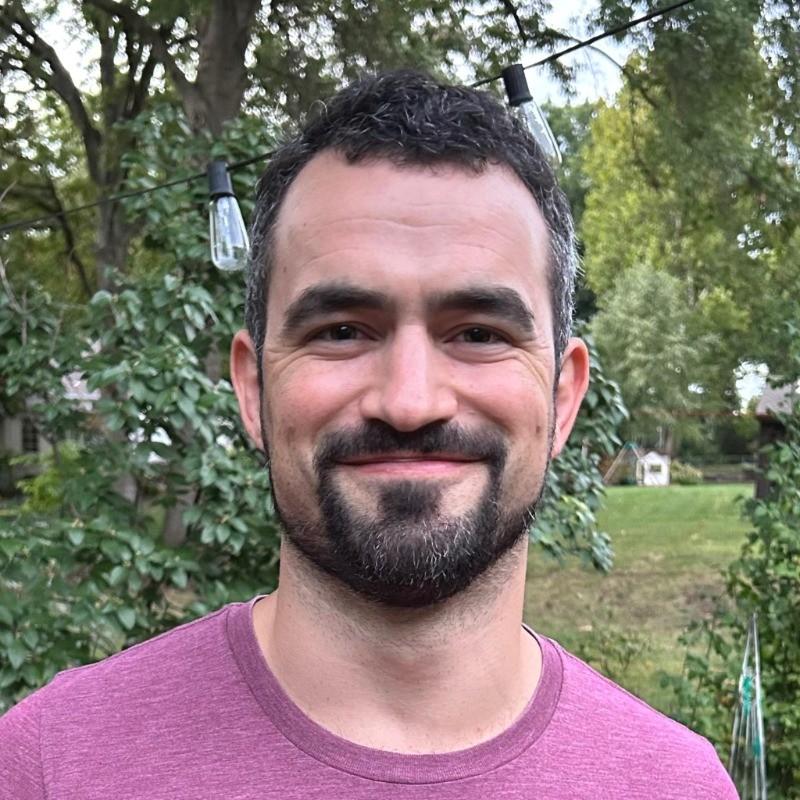
Roger Abbott founded Pure Kopi Luwak in 2018 after a trip through the volcanic highlands of Java, and has bought from the same farming families ever since. He only works with collectors of wild civet coffee, never caged. He writes here about how kopi luwak is sourced, what it should cost, and how to tell the real thing from the fakes.