The first coffee plants arrived in Java in 1696, carried by Dutch Governor Adrian van Ommen from seeds originating in Yemen. Planted in the volcanic soil of the Dutch East India Company’s estates south of Batavia — the colonial capital that would become Jakarta — they thrived. Within decades, Java coffee had become the dominant supplier to European markets, and the island’s name had entered English as a common synonym for coffee itself. Understanding Java’s coffee history is understanding how a single colonial experiment reshaped global agriculture.
The island of Java in Indonesia holds a unique position in coffee history, serving as the launching point for coffee cultivation across the Pacific and developing some of the world’s most distinctive coffee characteristics. Understanding Java’s coffee legacy reveals how geography, colonialism, and agricultural innovation shaped the global coffee industry.
The Dutch Colonial Coffee Revolution
Java’s coffee story begins in the late 17th century when Dutch colonists introduced coffee cultivation to the Indonesian archipelago. The Dutch East India Company recognized Java’s potential for coffee production and established extensive plantations that would transform both the island and the global coffee trade.
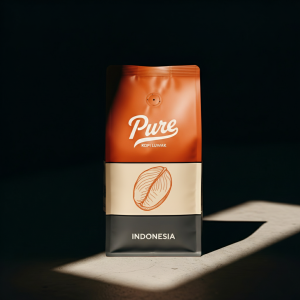
Pure Kopi Luwak
Wild civet coffee from Java. 88.5 SCA cupping score. From $125 for 100g.
Early Cultivation (1696-1750):
The first coffee plants arrived in Java around 1696, brought by Dutch Governor Adrian van Ommen. These initial Arabica plants, likely originating from Yemen, found ideal conditions in Java’s volcanic soil and tropical climate.
Plantation Development:
Dutch colonial administrators developed sophisticated plantation systems that maximized production while exploiting local labor. These plantations established cultivation techniques and processing methods that influenced coffee production throughout the region.
Global Market Impact:
By the 18th century, Java coffee had become so synonymous with quality coffee that “java” entered common parlance as a term for coffee itself – a linguistic legacy that persists today.
The Geographic Advantages of Java
Java’s exceptional coffee-growing conditions result from unique geographical features:
Volcanic Soil Benefits:
Java sits on the Pacific Ring of Fire with over 130 active volcanoes. This volcanic activity creates mineral-rich soil ideal for coffee cultivation, contributing to the distinctive earthy, full-bodied characteristics of Java coffee.
Elevation Zones:
Java’s diverse elevation zones, from sea level to over 3,000 meters, create multiple microclimates suitable for different coffee varieties and processing methods.
Climate Patterns:
The island’s tropical climate with distinct wet and dry seasons provides ideal conditions for coffee growing and processing, allowing for both traditional and innovative approaches to cultivation.
Traditional Java Coffee Varieties
Java developed several distinctive coffee varieties that reflect the island’s agricultural heritage:
Java Arabica:
Traditional Arabica varieties grown on Java’s higher elevations, known for full body, low acidity, and distinctive earthy characteristics that coffee enthusiasts recognize as classic “Java” flavor.
Java Robusta:
Robusta cultivation expanded in the 20th century, taking advantage of Java’s lower elevation zones and producing beans prized for espresso blends and Indonesian-style preparations.
Estate Varieties:
Historic estates developed unique varieties through selective cultivation and processing, creating coffees with distinctive characteristics that command premium prices in specialty markets.
The Coffee Leaf Rust Crisis and Recovery
Java’s coffee industry faced a devastating challenge in the 1870s when coffee leaf rust (Hemileia vastatrix) destroyed most Arabica plantations across the island:
The Devastation (1876-1890):
Coffee leaf rust wiped out an estimated 90% of Java’s Arabica plantations, devastating the colonial coffee economy and forcing agricultural reorganization across the island.
Robusta Introduction:
Dutch administrators introduced disease-resistant Robusta varieties from Africa, which thrived in Java’s climate and helped restore coffee production, though with different flavor characteristics.
Modern Recovery:
Contemporary Java coffee production combines traditional Arabica cultivation in rust-resistant areas with expanded Robusta production, creating a diverse coffee landscape that serves multiple market segments.
Processing Methods and Innovations
Java developed distinctive processing methods that contribute to its unique coffee character:
Traditional Wet Processing:
Java’s abundant water resources supported extensive wet processing operations that create the clean, full-bodied characteristics associated with premium Java coffee.
Giling Basah Processing:
This uniquely Indonesian processing method, where beans are hulled at high moisture content, creates the distinctive earthy, herbal characteristics that define many Java coffees.
Estate Processing:
Historic estates maintained sophisticated processing facilities that developed unique flavor profiles through controlled fermentation, careful drying, and selective sorting.
Modern Java Coffee Regions
Contemporary Java coffee production centers around several key regions:
East Java:
Including the Ijen Plateau and surrounding highlands, this region produces some of Java’s finest Arabica coffees with complex flavor profiles and excellent acidity.
West Java:
The Preanger region and surrounding areas focus on both Arabica and Robusta production, with diverse microclimates supporting various cultivation approaches.
Central Java:
Historic coffee-growing areas that maintain traditional cultivation methods while incorporating modern quality improvements and sustainable practices.
The Cultural Impact of Java Coffee
Java coffee’s influence extends far beyond agriculture:
Linguistic Legacy:
The term “java” becoming synonymous with coffee demonstrates the island’s historical importance in global coffee culture and trade.
Colonial Trade Networks:
Java served as the hub for coffee distribution throughout Southeast Asia, establishing trade networks that persist in modified forms today.
Cultural Integration:
Coffee cultivation became deeply integrated into Javanese agricultural culture, influencing land use patterns, social structures, and economic development across the island.
Java Coffee and the Premium Market
Modern Java coffee competes in both commodity and premium markets:
Specialty Java Coffees:
Single-origin Java coffees command premium prices in specialty markets, particularly those from historic estates and high-elevation growing areas.
Try the coffee this article is about
Wild-sourced from Java, 88.5 SCA cupping score, free US shipping. From $125 for 100g.
Shop Pure Kopi Luwak →Estate Coffee Production:
Traditional coffee estates continue producing limited quantities of premium coffee, including rare varieties and special processing experiments that attract collectors and connoisseurs.
Certified and Sustainable Production:
Many Java coffee producers pursue organic, fair trade, and sustainability certifications that add value while supporting environmental and social responsibility.
Java’s Role in Indonesian Coffee
Java remains central to Indonesia’s diverse coffee landscape:
Java produces approximately 30% of Indonesia’s total coffee output. Its estates routinely set quality benchmarks for Indonesian specialty coffee, and the island continues developing new processing methods that influence production across the archipelago.
Unique Java Coffee Characteristics
Java coffee is distinguished by several characteristic features:
Java coffee is known for a rich and substantial mouthfeel — a body that drinkers associate with depth and satisfaction. Acidity is smooth and mellow, making it approachable for a wide range of palates. Distinctive mineral and earth tones reflect the volcanic soil’s influence, while the unique processing methods create herbal and spice complexity alongside the earthiness. The finish tends to be notably long, giving the coffee’s complexity time to show itself.
Brewing Java Coffee
Java coffee’s characteristics respond well to specific brewing approaches:
French Press:
Full immersion brewing enhances Java coffee’s body and brings out its earthy, complex characteristics.
Pour-Over:
Pour-over methods can showcase Java coffee’s complexity while maintaining clarity and highlighting subtle flavor notes.
Espresso:
Java coffee’s full body and low acidity make it excellent for espresso, either as single-origin shots or blended with brighter coffees for balance.
Java Coffee in Specialty Processing
Java’s coffee heritage includes some of the world’s most exclusive and expensive coffee processing:
Kopi Luwak Production:
Java remains one of the primary sources for authentic Kopi Luwak, where wild civets select and process coffee cherries, creating one of the world’s rarest and most expensive coffees.
Estate Special Lots:
Historic Java estates occasionally produce micro-lots with unique characteristics, often commanding auction prices that reflect their rarity and quality.
Experimental Processing:
Java producers continue experimenting with fermentation, drying, and aging techniques that create unique flavor profiles for the specialty market.
Sustainable Java Coffee Production
Modern Java coffee production increasingly emphasizes sustainability:
Sustainable Java coffee production relies on traditional shade cultivation that preserves biodiversity, reduced chemical inputs through organic farming practices, improved processing techniques that minimize water usage, and terracing with cover crops to prevent erosion on Java’s volcanic slopes.
Java Coffee and Climate Adaptation
Climate change presents challenges and opportunities for Java coffee:
Challenges:
- Changing rainfall patterns affecting traditional growing cycles
- Temperature increases pushing optimal growing zones to higher elevations
- Increased pest and disease pressure
Adaptation Strategies:
- Development of climate-resistant varieties
- Improved shade management and water conservation
- Diversified farming systems that reduce climate risks
The Economics of Java Coffee
Java coffee operates within complex economic structures:
Most Java coffee originates from small family farms, with historic estates producing premium lots for specialty markets alongside them. Farmer cooperatives improve bargaining power and quality standards for smallholders. The output serves both domestic Indonesian consumption and significant international export markets.
Java Coffee Cupping and Evaluation
When evaluating Java coffee using professional cupping techniques, focus on:
When cupping Java coffee, focus on body first — the full, rich mouthfeel is its most recognizable trait. Follow with the earth and herbal notes that define its terroir character, then evaluate how sweetness, acidity, and bitterness interact in the balance. Consider how the processing method has shaped the flavor development, and track how the complexity evolves throughout the tasting as the coffee cools.
Java Coffee Storage and Aging
Java coffee benefits from proper storage that preserves its unique characteristics:
Java’s low-moisture green beans allow for extended storage that can actually enhance certain characteristics. Some Java coffees respond well to controlled aging, which concentrates flavors over time. Regardless, following optimal storage practices for your roasted beans remains important for preserving the quality you paid for.
Food Pairing with Java Coffee
Java coffee’s characteristics pair excellently with:
Java coffee pairs particularly well with dark chocolate — the earthy tones and rich body complement each other naturally. Spiced pastries work well because the coffee’s herbal notes amplify warming spices. Rich, dense desserts benefit from the full body providing structural contrast. The earthy characteristics also translate well into savory applications like coffee rubs and sauces.
Explore comprehensive pairing principles adapted for Java coffee’s unique characteristics.
The Future of Java Coffee
Java coffee continues evolving through:
The trajectory for Java coffee involves enhanced processing and cultivation techniques that raise quality floors, market differentiation through unique varieties and processing innovations, a growing emphasis on environmental and social sustainability, and continued experimentation with new techniques and variety development that keeps the island at the forefront of specialty coffee.
Visiting Java Coffee Regions
Coffee tourism in Java offers unique experiences:
Coffee tourism in Java offers tours of colonial-era plantations, demonstrations of both traditional and modern processing methods, insight into how deeply coffee is woven into Javanese agricultural culture and society, and professional cupping experiences that let visitors taste the breadth of what the island produces.
Conclusion: Java’s Enduring Coffee Legacy
Java coffee represents more than agricultural production – it embodies centuries of coffee history, cultural integration, and quality development that influenced coffee cultivation worldwide. From giving coffee its colloquial name to producing some of the world’s most distinctive and prized beans, Java’s contribution to coffee culture extends far beyond the island’s shores.
Understanding Java coffee’s history and characteristics enhances appreciation for Indonesia’s broader coffee heritage and the complex factors that create distinctive regional coffee profiles. Whether enjoying everyday Java coffee or seeking rare estate lots, this legendary island continues producing coffee that honors its remarkable heritage.
Next time you hear someone mention “a cup of java,” remember the volcanic island, colonial history, agricultural innovation, and cultural integration that gave coffee one of its most enduring nicknames – truly a testament to Java’s permanent place in coffee history.
Pure Kopi Luwak
Wild civet coffee from Java. 88.5 SCA cupping score. From $125 for 100g.

Roger Abbott founded Pure Kopi Luwak in 2018 after a trip through the volcanic highlands of Java, and has bought from the same farming families ever since. He only works with collectors of wild civet coffee, never caged. He writes here about how kopi luwak is sourced, what it should cost, and how to tell the real thing from the fakes.