Honey process coffee originated in Costa Rica as a water conservation method — an innovation developed in the Tarrazú and Central Valley regions to reduce water usage while maintaining quality. By removing the coffee cherry’s outer skin but leaving the sticky mucilage layer on the bean during drying, producers discovered a processing path that generates sweetness, body, and complexity sitting between washed and natural methods. The mucilage level retained determines the result: white honey (80–100% removed) produces the mildest expression; black honey (0–25% removed) delivers maximum sweetness and wine-like intensity.
Understanding honey processing helps appreciate the craftsmanship behind specialty coffees and explains why these beans command premium prices in markets seeking exceptional flavor experiences.
What is Honey Process Coffee?
Honey processing, despite its name, involves no actual honey. The term refers to the sticky, honey-like mucilage that remains on coffee beans during drying. This processing method removes the outer cherry skin while leaving varying amounts of the sweet mucilage attached to the parchment-covered bean.

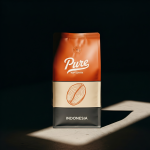
Pure Kopi Luwak
Wild civet coffee from Java. 88.5 SCA cupping score. From $125 for 100g.
The technique originated in Costa Rica and has spread throughout Central America, with each region developing unique variations that showcase local conditions and expertise.
Types of Honey Processing
Honey processing includes several variations based on mucilage removal levels:
White Honey
White honey removes 80–100% of the mucilage. The result is clean and bright with subtle sweetness — the closest to washed coffee of the four types, but with noticeably enhanced body.
Yellow Honey
Yellow honey retains 20–50% of the mucilage (removing 50–80%). Sweetness and acidity reach a balance here, with caramel notes emerging while brightness is maintained.
Red Honey
Red honey leaves 50–75% of mucilage intact (removing 25–50%), producing rich sweetness with moderate acidity. Brown sugar and tropical fruit notes define the cup.
Black Honey
Black honey removes only 0–25% of the mucilage, leaving the most intact. The result is maximum sweetness and full body, with intense fruitiness and wine-like complexity that approaches natural-process character.
The Honey Processing Method
- Only ripe, high-quality cherries are selected — ripeness at harvest is the foundation of everything that follows
- The outer skin is removed while mucilage is retained at the desired level
- Beans are spread for controlled drying with mucilage still attached, requiring constant monitoring
- Regular turning — multiple times daily — prevents mold and ensures even drying
- Drying is stopped at the optimal moisture content for the desired honey level
- Parchment and any remaining mucilage are removed before storage
Flavor Development Through Honey Processing
Honey processing creates distinctive flavors through several mechanisms:
The mucilage contains natural sugars that concentrate as the bean dries, directly enhancing sweetness. The limited fermentation that occurs during this drying phase develops complex esters and alcohols that add depth to the cup. Unique chemical compounds form during extended processing, serving as Maillard precursors that enhance roasting development. And the entire process modulates acidity — reducing harshness while maintaining enough brightness for structure.
Regional Honey Processing Variations
Costa Rican Innovation
Honey processing originated in Costa Rica as a water conservation method and has since been refined into a precise technique with well-defined mucilage control levels. Tarrazú, the Central Valley, and the West Valley are the country’s most notable honey processing regions.
Nicaraguan Adaptations
Nicaragua’s honey processing tends toward extended drying periods that enhance fruit notes. The method works well in the country’s humid conditions and has become a focus for premium export-quality production.
El Salvador Excellence
El Salvador combines honey processing with high-altitude growing conditions to striking effect. Micro-lot honey processing has become a competition strategy, and Salvadoran honey-process coffees are regular Cup of Excellence winners.
Processing Challenges and Solutions
Honey processing requires expertise and careful monitoring:
Three categories of challenge dominate honey processing. Mold prevention requires regular turning and monitoring, optimal drying conditions, and immediate removal of damaged beans. Consistent drying demands a controlled or covered environment, uniform layer thickness, and weather-responsive adjustments throughout the drying period. Quality control involves continuous moisture monitoring, sensory evaluation during the process itself, and careful storage once processing is complete.
Try the coffee this article is about
Wild-sourced from Java, 88.5 SCA cupping score, free US shipping. From $125 for 100g.
Shop Pure Kopi Luwak →Brewing Honey Process Coffee
Honey processed coffees respond well to specific brewing approaches:
V60 and Chemex showcase honey process complexity while maintaining clarity in the cup. French press full immersion brings out the enhanced body and sweetness that define these coffees. Espresso creates rich, complex shots with excellent crema and balanced flavors. Cold brew is an excellent application — the enhanced sweetness and smooth body translate particularly well to cold extraction.
Cupping and Evaluation
When cupping honey process coffees, focus on:
When cupping honey process coffees, focus on how the natural sweetness integrates with acidity — they should feel balanced rather than competing. Evaluate the body, which mucilage processing typically enhances noticeably. Track how the complexity evolves as the coffee cools, since honey coffees often reveal more layers than they show initially. The finish should be pleasant without any processing defects, and origin character should come through — honey processing should enhance rather than mask what the bean naturally offers.
Market Position and Pricing
Honey process coffee occupies a premium market position:
Honey process coffee commands premium pricing for several intersecting reasons. The labor-intensive monitoring and turning required during drying justifies higher prices than standard processing. Superior flavor profiles earn specialty market positioning. Frequent competition wins have elevated the category’s profile and market value. And growing consumer appreciation for processing innovation continues to drive demand for these coffees at premium price points.
Environmental Considerations
Honey processing offers environmental advantages:
Honey processing offers meaningful environmental advantages: it requires significantly less water than full washing, mucilage dries with the beans rather than requiring separate disposal, no fermentation tanks or extensive washing infrastructure is needed, and cherry pulp can be composted or repurposed rather than treated as waste.
Quality Factors and Standards
Successful honey processing requires attention to multiple quality factors:
Exceptional honey process coffee requires exceptional cherry quality — only optimal ripeness produces the sugars and flavor compounds the method depends on. Precise mucilage removal is necessary to achieve consistent profiles across a batch. Skilled drying management prevents defects while allowing the flavor development that makes these coffees worth the effort. And proper storage techniques after processing are essential for maintaining the quality through to the roaster and consumer.
Honey Processing Innovation
Continuous innovation in honey processing includes:
Continuous innovation in honey processing is improving the consistency and ceiling of what the method can produce. Precision equipment for exact mucilage removal control is replacing judgment-based approaches. Managed fermentation during the drying process is being explored for new flavor development. Regional adaptations are being developed for different climate conditions. And real-time technology for process monitoring is moving quality control from reactive to preventive.
Comparison with Other Processing Methods
Honey processing occupies a unique position among processing methods:
Compared to washed coffee, honey process delivers more body and sweetness with less bright acidity. Against natural process, it offers cleaner flavors with more controlled fermentation. Relative to anaerobic methods, honey process produces more traditional flavors with less experimental character. And compared to wet-hulled Indonesian coffees, honey process coffees show higher acidity and a different kind of body.
Future of Honey Processing
Honey processing continues evolving:
Precision equipment for consistent mucilage removal and drying control is making results more repeatable. The method’s water conservation advantages are drawing sustainability-focused attention. Advanced techniques continue to improve flavor development outcomes. And adoption is expanding into new coffee-growing regions that see honey processing as a way to differentiate their coffees in competitive specialty markets.
Conclusion: Sweet Innovation in Coffee Processing
Honey process coffee represents innovation in coffee processing that creates unique flavor profiles prized by specialty coffee enthusiasts. Understanding this method enhances appreciation for the craftsmanship and skill required to produce exceptional coffee.
Whether exploring different coffee species or understanding various processing methods, honey processing demonstrates how traditional techniques can be adapted and improved to create new possibilities in coffee flavor development.
For coffee lovers seeking sweetness and complexity without sacrificing clarity, honey process coffee offers an excellent introduction to specialty processing methods and their impact on the final cup experience. For those interested in taking unique processing even further, Pure Kopi Luwak represents perhaps the most extraordinary example — coffee transformed by the natural enzymatic action of wild Asian palm civets, producing a smoothness and complexity that no conventional method can replicate.
Pure Kopi Luwak
Wild civet coffee from Java. 88.5 SCA cupping score. From $125 for 100g.

Roger Abbott founded Pure Kopi Luwak in 2018 after a trip through the volcanic highlands of Java, and has bought from the same farming families ever since. He only works with collectors of wild civet coffee, never caged. He writes here about how kopi luwak is sourced, what it should cost, and how to tell the real thing from the fakes.