The civet is about 18 inches long, with a ringed tail and masked face, and it is turning tight circles in a cage the size of a large suitcase. The cage sits next to a pavilion where a guide is explaining, in the cadence of a story told many thousands of times, how the animal eats coffee cherries and how the beans are collected, cleaned, and roasted. Around the pavilion, tourists from a dozen countries are photographing the animal, their cups, and each other. Nobody asks how long the civet has been in the cage, or what happens to it at night, or whether the beans they’re about to drink came from this animal or from a factory in a nearby city.
This scene plays out at hundreds of coffee tourism operations across Bali, and at similar ones across Sumatra, Flores, and Java. Millions of people visit them every year. Most leave convinced they’ve tried authentic kopi luwak. The gap between that conviction and the reality is, depending on which operation you visited, substantial.
Three Things That Can Go Wrong on a Bali Coffee Tour
The problems with plantation-based kopi luwak tourism exist on a spectrum. In the worst cases, the product served has no genuine connection to any civet at all. Online reviews document Bali tourists who, on closer examination, received what appeared to be commercially bottled instant coffee or low-grade pre-ground product repackaged in artisanal-looking bags. The guide’s description of the civet and the processing is theater; the connection to the cup is entirely fabricated.
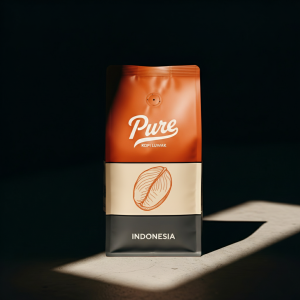
Pure Kopi Luwak
Wild civet coffee from Java. 88.5 SCA cupping score. From $125 for 100g.
In the middle cases, the connection is real but compromised. A civet is genuinely present, and the beans served came from it. But the civet is caged, chronically stressed, and fed whatever coffee cherries are available rather than the peak-ripe fruit it would select voluntarily in the wild. This matters enormously for quality: the selective eating behavior that defines authentic kopi luwak’s flavor profile — the pre-sorting of cherries to the optimal ripeness window, the healthy enzymatic chemistry of a well-nourished animal — is absent. What the digestive process produces from a stressed civet eating suboptimal input is not the same thing as what it produces from a wild civet foraging freely. The label says kopi luwak. The cup doesn’t taste like the genuine article.
In the best cases, the plantation uses wild civets on adjacent forest margins, collects beans humanely, and processes them properly. These operations exist in Bali and across Java, but they are a small fraction of the tourist-facing market. Genuine wild-sourced kopi luwak is too scarce and valuable to serve at $15-30 a cup with unlimited refills for tour groups.
The Price Signal You Should Have Noticed
Authentic wild-sourced kopi luwak costs between $100 and $200 per 100 grams from legitimate producers. A standard serving of kopi luwak uses approximately 8 to 10 grams of beans. At genuine wild-sourced pricing, the raw material cost for a single cup is $8 to $20 — before roasting, grinding, labor, equipment, or margin. A tour operator serving it for $15 to $30 a cup, with generous portions for tour groups, is either selling at a loss or not serving what they say they’re serving.
This is not a complicated analysis. It becomes obvious only after the fact, when you’ve already enjoyed the cultural experience and purchased a 50g souvenir bag for roughly 400,000 Indonesian Rupiah (approximately $25) and taken it home to brew. That bag, if it came from a genuinely wild civet, would have cost more than $60 at fair market price for the beans alone.
What Bali Coffee Tours Are Actually Good For
The plantation experience is genuinely worth doing, with realistic expectations. You’ll see how various Indonesian coffees and teas are grown, learn about the agricultural practices of the region, and encounter a tradition that long predates the tourism industry. Free tasting flights at most operations — Balinese ginger tea, lemongrass, turmeric, and various local coffees alongside the kopi luwak sample — are interesting on their own terms.
The civet encounter is more complicated. TripAdvisor reviews of major Bali kopi luwak attractions consistently document caged animals showing signs of chronic stress — repetitive circling behavior, minimal responsiveness, physical deterioration. Whether you photograph the civet or ask the guide about its living conditions is a personal judgment call. What it shouldn’t be is the basis for your opinion of what kopi luwak actually tastes like when made properly.
What Genuine Kopi Luwak Looks Like Instead
Buying authentic wild-sourced kopi luwak means buying from producers who can answer specific questions: What farm or forest area are the beans from? Are the civets wild or caged? What verification does the producer offer for wild sourcing? What is the price per 100g? If the answer to the last question is below $100, the answer to the first three is probably unreliable.
Genuine wild-sourced kopi luwak from Java tastes noticeably different from anything you’re likely to encounter on a Bali tour: the absence of bitterness is complete, the body is syrupy and specific, the sweetness is natural and sustained. If you’ve done the tour and found the kopi luwak unremarkable, that’s the most likely explanation. The buyer’s guide to finding the real thing addresses exactly this gap between what tourism sells and what authentic civet coffee actually is.
Pure Kopi Luwak
Wild civet coffee from Java. 88.5 SCA cupping score. From $125 for 100g.
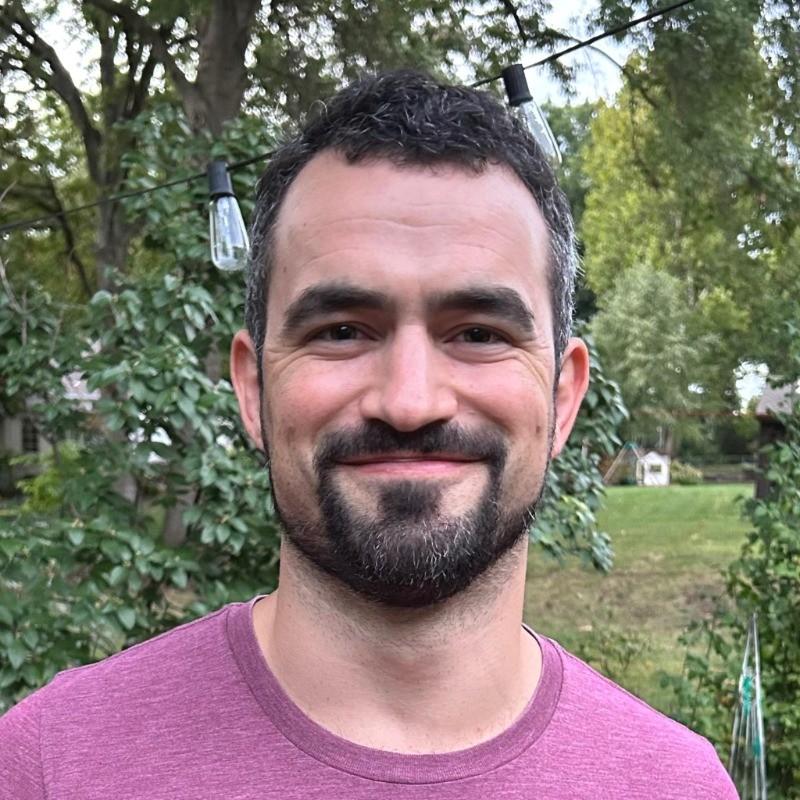
Roger Abbott founded Pure Kopi Luwak in 2018 after a trip through the volcanic highlands of Java, and has bought from the same farming families ever since. He only works with collectors of wild civet coffee, never caged. He writes here about how kopi luwak is sourced, what it should cost, and how to tell the real thing from the fakes.