A 2022 investigation by journalists covering the Indonesian coffee industry found that producers were actively mislabeling cage-sourced kopi luwak as “wild-sourced” for export to Japan and the United States. The mislabeling problem isn’t marginal — it’s the industry default. The majority of kopi luwak sold globally, regardless of label claims, comes from Asian palm civets kept in battery cages under conditions that no coherent definition of ethical production could defend.
This context matters for the vegan question, which is real and not trivially answered. The honest answer: for most commercial kopi luwak, no. For genuinely wild-sourced kopi luwak from verified ethical producers, the ethics are more complex than a blanket yes or no — and they depend on which strand of vegan ethics you apply.
Why Cage-Farmed Kopi Luwak Fails Every Ethical Test
The Asian palm civet (Paradoxurus hermaphroditus) is a solitary, nocturnal omnivore. Studies have measured wild individuals maintaining home ranges of 2 to 8 square kilometers, ranging across forests and plantations, eating fruit, insects, small vertebrates, and plant matter throughout their territory. Cage-farmed civets are removed from that ecological context and placed in wire-floored cages — sometimes smaller than a kitchen cabinet — where they live until they die or are released.
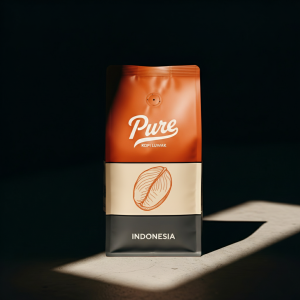
Pure Kopi Luwak
Wild-sourced. Organic. Arabica. From $125.
World Animal Protection has investigated kopi luwak farms in Bali, Sumatra, and Java, documenting consistent welfare violations: wire flooring causing foot injuries, no shelter for animals that naturally sleep in dense cover during daylight hours, and forced diets of coffee cherries that provide a fraction of the nutritional diversity a wild civet needs. A study by Faunalytics assessed the welfare of caged civets using the Five Freedoms framework — the international animal welfare standard used by veterinary and regulatory bodies worldwide — and found that 77 percent of caged civets experienced only two of the four assessed freedoms.
The documented behavior tells the same story: caged civets exhibit repetitive pacing, bar-biting, and self-directed aggression — stereotypic stress behaviors that animal behaviorists recognize as indicators of severe psychological suffering in captive wild animals.
Under any definition of veganism — utilitarian, abolitionist, or welfare-based — caged kopi luwak production fails. Animals are captured from the wild, confined, forced to consume a diet they would not choose, and kept under conditions that cause demonstrable physical and psychological harm. This is not a close ethical case.
Wild-Sourced Kopi Luwak: Where the Philosophy Gets Complicated
Genuinely wild-sourced kopi luwak is a different matter, and the vegan community is genuinely divided on it.
In the wild-collection model, no civets are captured or confined. Wild civets roam coffee farms at night, eating cherries voluntarily as part of their natural foraging behavior. Farmers or collectors walk the farm at dawn, find the excreted beans on the ground, and collect them for washing and processing. No civet is touched, handled, or confined. It does what it would do whether the farm existed or not.
Peter Singer, whose 1975 book Animal Liberation effectively launched the modern animal rights movement and whose utilitarian ethics underpin much of mainstream veganism, has consistently held that the key moral question is whether an animal suffers — not whether a human commercially benefits from the animal’s natural behavior. On a suffering-prevention framework, collecting coffee beans that a wild civet freely excreted is ethically distinguishable from cage farming in the same way that collecting shed feathers is distinguishable from plucking them.
The abolitionist position, most associated with Gary Francione, takes a stricter view: any commercial use of animals or their byproducts, regardless of welfare conditions, constitutes exploitation. Under this framework, wild kopi luwak collection is not acceptable even if the civet is entirely unharmed. This is a philosophically coherent position. It’s also a position that applies equally to wild honey, beeswax, and other products that some vegans who take the welfare-based position find permissible.
Neither position is wrong. They reflect different foundational commitments within veganism that lead to different conclusions from the same facts.
The Verification Problem
Even vegans who accept the wild-sourced model in principle face a practical problem: most kopi luwak marketed as wild-sourced isn’t. The 2022 mislabeling documentation confirms a pattern that animal rights investigators had reported for years. Without farm-level transparency — specific farm names, traceable supply chains, verifiable collection methods — there’s no way to confirm what you’re actually buying.
Genuine transparency from a legitimate producer looks specific, not generic. It includes the farm name and location, a clear explanation of how beans are collected, and a willingness to discuss the supply chain in detail. Vague references to “wild Indonesian traditions” or “ethical sourcing practices” without specifics are not evidence. They’re the language producers use when the actual sourcing doesn’t support the marketing claim.
The guide to cruelty-free kopi luwak covers the verification checklist in detail — what to ask, what answers to accept, and what non-answers mean. For vegans considering this product, that post is the starting point.
The Parallel With Wild Honey and Oysters
The debate over kopi luwak within veganism mirrors arguments that have played out over wild honey and bivalves. These debates reveal something important: veganism encompasses a range of ethical commitments — to reducing suffering, to rejecting exploitation, to environmental sustainability — that practitioners weight differently. A vegan who accepts oysters is applying the same utilitarian logic that would permit wild-collected kopi luwak. A vegan who rejects oysters on abolitionist grounds would apply the same reasoning here. The internal consistency matters; the specific conclusion depends on which commitments are foundational.
What isn’t consistent: refusing wild kopi luwak on welfare grounds while consuming factory-farmed food products that involve orders of magnitude more animal suffering. If the standard is “no animal involvement in the production chain,” that’s a coherent abolitionist position. If the standard is “minimize suffering,” then verified wild-sourced kopi luwak from a transparent, ethical producer deserves a more nuanced assessment.
A Direct Answer
Can vegans drink kopi luwak? Some vegans, under welfare-based ethical frameworks, from verified wild-sourcing producers: the argument for yes is philosophically sound. Most kopi luwak on the market — cage-farmed or unverifiably sourced: no, by any ethical standard.
Pure Kopi Luwak sources exclusively from wild civets on Javanese farms. No animals are caught, caged, or handled. Beans are collected from the forest floor. We’re transparent about the farm, the collection method, and the region. Whether that meets your specific ethical standard is a question only you can answer — but the information you need to make that assessment is available.
For the full sourcing story and what distinguishes genuine wild collection from cage farming, the discussion of kopi luwak’s halal status covers the tayyib dimension of the same ethical question from a different angle.
Pure Kopi Luwak
Wild-sourced. Organic. Arabica. From $125.
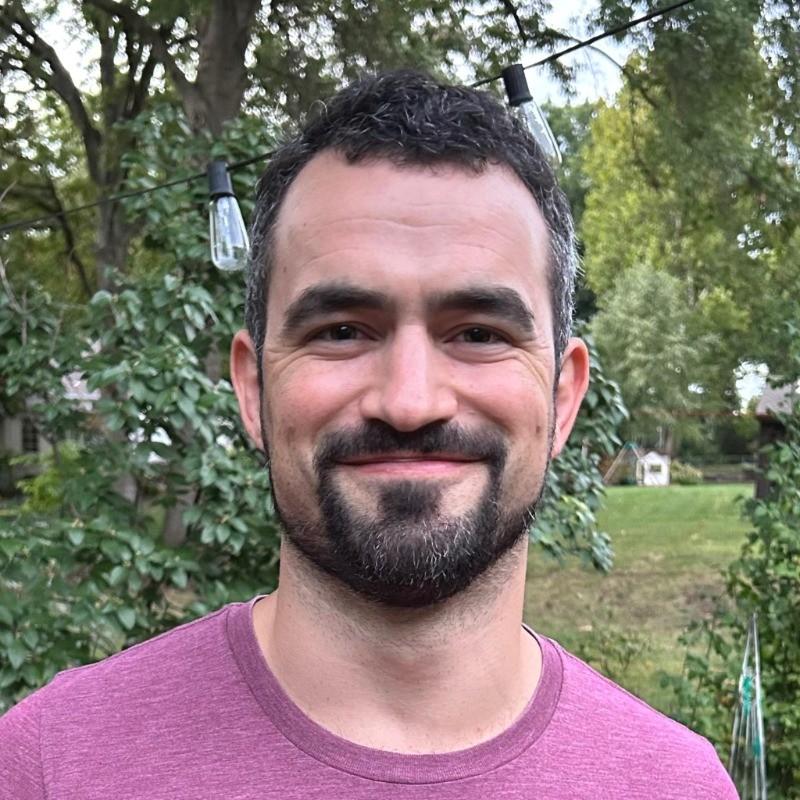
Roger Abbott is the founder of Pure Kopi Luwak. He has spent over a decade sourcing wild kopi luwak directly from farmers and collectors in the highlands of Java, Indonesia — working exclusively with wild civets, never caged. He writes about specialty coffee, Indonesian origins, and the science behind what makes kopi luwak taste the way it does.
