In 1999, George Howell and the Brazilian Specialty Coffee Association ran the first Cup of Excellence competition in Brazil, identifying exceptional coffee lots that would have otherwise sold at commodity prices. Today, lots earning 87 points or above on the SCA’s 100-point cupping scale go to online auction where specialty buyers worldwide bid competitively for them. Top CoE lots regularly sell for $50–100 per pound of green coffee, and exceptional lots have fetched several hundred dollars per pound — prices commodity trading could never produce, and that go directly back to the farmers who grew them.
This is what the CoE actually is, how it works, and why it matters for anyone serious about coffee quality.
What Is the Cup of Excellence?
The Cup of Excellence (CoE) is a rigorous international competition and auction system run by the Alliance for Coffee Excellence (ACE), a non-profit organization founded specifically to improve coffee quality and transparency in the supply chain. The competition takes place annually in participating countries, evaluating submitted coffee lots through multiple rounds of blind cupping by professional tasters.
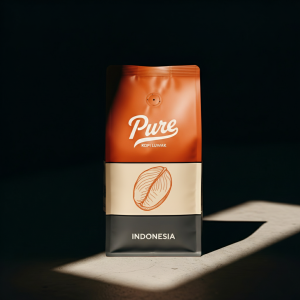
Pure Kopi Luwak
Wild civet coffee from Java. 88.5 SCA cupping score. From $125 for 100g.
The lots that score highest — those achieving 87 points or above on the 100-point SCA (Specialty Coffee Association) cupping scale — earn the Cup of Excellence designation and proceed to an online auction where specialty coffee buyers worldwide bid competitively for them.
The prices at these auctions are extraordinary. Top CoE lots regularly sell for $50-100+ per pound of green coffee — and exceptional lots have sold for several hundred dollars per pound, rivaling the prices commanded by the world’s most famous rare coffees.
A Brief History: From Brazil to a Global Standard
The Cup of Excellence was born from a simple but radical idea: what if we systematically found and rewarded the best coffee in a country, then connected those farmers directly with buyers who valued quality enough to pay for it?
The first competition ran in Brazil in 1999, organized by a coalition including George Howell (a pioneering specialty coffee figure) and the Brazilian Specialty Coffee Association. The results were immediate — the competition identified exceptional coffees that would never have been noticed under the commodity trading system, and the auctions returned prices to farmers that bore no resemblance to the commodity exchange rate.
The model proved so effective that it expanded rapidly. Today, CoE competitions run in Brazil, Colombia, Guatemala, Honduras, El Salvador, Costa Rica, Nicaragua, Bolivia, Peru, Ethiopia, Rwanda, Burundi, and several other origins. Each competition follows the same rigorous protocol, making CoE scores directly comparable across countries and years.
How the Competition Works
The CoE protocol is the most rigorous quality evaluation process in the coffee industry. Here’s how it unfolds:
Phase 1: Farm Submission and Pre-Selection
Farms submit their best lots for consideration. Each lot must be a minimum size (usually 300-350 bags) to ensure enough coffee for the auction. The Alliance for Coffee Excellence provides strict submission guidelines: lots must be a single variety, from a single farm, processed and stored consistently.
Phase 2: National Pre-Screening
Before reaching the main jury, submitted lots are screened by a national team. Lots with physical defects, improper preparation, or obvious quality problems are eliminated before the competitive cupping begins. Only lots that clear this bar advance.
Phase 3: National Jury Cupping
A national jury — typically 10-15 professional cuppers trained in the CoE protocol — evaluates all qualifying lots in a series of blind cupping sessions. Lots are assessed on: cleanness of cup, sweetness, acidity, mouthfeel, flavor, aftertaste, and balance. A numerical score is assigned.
Lots scoring below 87 points do not earn the CoE designation. They may qualify for a Presidential Award (86-86.99) or be withdrawn. Only 87+ lots move to the next phase.
Phase 4: International Jury Cupping
This is where the CoE becomes truly rigorous. An international jury of 10-20 professional coffee buyers, roasters, and cuppers from around the world travels to the country to evaluate only the top-scoring national jury lots. These are some of the most experienced palates in the global coffee industry.
The international jury re-cups all qualifying lots blind, assigns their own scores, and the final CoE score is an average of national and international jury evaluations. This double-blind, multi-jury process produces scores that are genuinely meaningful — not marketing.
Phase 5: Online Auction
Lots earn their final CoE ranking by score, with #1 being the highest-scoring lot in the country for that year. The auctions, run by the Alliance for Coffee Excellence, are open to registered specialty coffee buyers worldwide and conducted in real time over several hours.
Winning bidders pay per pound of green coffee for their lot. Prices cascade down by rank — the #1 lot commands the highest price, typically multiples above the #10 lot. All auction results are published publicly, creating a permanent record of what the market actually paid for each lot.
Try the coffee this article is about
Wild-sourced from Java, 88.5 SCA cupping score, free US shipping. From $125 for 100g.
Shop Pure Kopi Luwak →Why the Prices Are So High
Cup of Excellence auction prices confound people who aren’t familiar with the specialty coffee economy. Why would a roaster pay $80/pound for green coffee when they could buy excellent specialty-grade beans for $8-15/pound?
Several factors drive CoE prices:
Scarcity is genuine: a single high-scoring CoE lot might represent 100-300 bags of 30kg each — a tiny fraction of global coffee supply. The verification is unmatched: a CoE score above 90 is the most rigorously evaluated quality signal in the industry, produced through multiple rounds of blind cupping by trained professionals. Provenance is complete and verifiable — single farm, single harvest, specific lot number, publicly documented auction result. Specialty roasters who can credibly tell that story charge retail prices that make the economics work, particularly in Japan, South Korea, Taiwan, and among high-end consumers globally. And competitive bidding between well-funded roasters amplifies all of these factors — prestige matters in the specialty coffee world, and owning a CoE #1 lot carries real commercial value beyond the coffee itself.
What a CoE Score Actually Measures
The SCA cupping form used by CoE juries evaluates coffee on a 100-point scale across multiple attributes. A coffee scoring 80+ is considered specialty-grade by SCA standards. A CoE qualifying score of 87+ represents the top tier of what specialty coffee can be. Scores above 90 are considered “Presidential” level — exceptional by any international standard.
The attributes scored include fragrance and aroma (evaluated dry and after adding water), flavor (the combined taste impression), aftertaste (what lingers after swallowing), acidity (quality and intensity), body (mouthfeel and weight), balance (how all elements integrate), and overall impression. Defect cups are penalized heavily.
For coffee drinkers learning to evaluate quality, the CoE framework offers a useful vocabulary. Many of the same attributes apply when assessing any premium coffee, including rare origins like wild-sourced kopi luwak — where smoothness, balance, and complexity are the defining quality markers. For a hands-on approach to applying these techniques, our guide to coffee cupping at home walks through the professional tasting process step by step.
The Impact on Coffee Farmers
The CoE’s most significant contribution is arguably economic. Before its existence, exceptional coffee from smallholder farmers in developing countries sold at commodity prices — often below the cost of production. The farmer who grew a genuinely extraordinary lot received the same price as a neighboring farm growing mediocre beans. Quality was not rewarded.
CoE changed that. When a Bolivian farmer wins the national competition and their lot sells at auction for $80/pound, the producer receives a significant share of that price — far more than commodity markets would ever pay. The economic signal is clear and direct: quality pays.
Over time, this has driven investment in quality practices across participating countries. Farmers who have won or placed in CoE competitions invest in better picking standards, improved processing infrastructure, and variety selection. The competition creates a visible quality ladder that farmers can climb with tangible financial reward.
This dynamic mirrors what drives premium pricing in other rare coffees. The value of authentic wild kopi luwak is similarly rooted in genuine quality — the natural selectivity of wild civets, the meticulous collection and processing, the limited supply from free-roaming animals rather than industrial cages. Whether through a rigorous competition or a unique biological process, exceptional coffee commands exceptional prices because the quality is real and verifiable.
How to Find and Buy CoE Coffee
Cup of Excellence lots are available through specialty roasters who buy directly at auction. Look for:
Look for the CoE logo on bags or websites — it’s licensed for use only by verified auction purchasers and can’t be legitimately applied to non-CoE coffee. The lot number and auction year should be present and traceable to a specific winning lot in the public Alliance for Coffee Excellence auction database. The actual jury score should be listed — not a generic “specialty grade” claim, but the specific numeric score assigned by the multi-jury evaluation. And the farm and producer name should be identified: CoE lots are always single-farm and fully traceable, so any seller who can’t provide that information is selling something other than what they claim.
Alliance for Coffee Excellence publishes all past auction results on their website (allianceforcoffeeexcellence.org), so you can verify any CoE claim against the public record.
The Cup of Excellence as a Window into Coffee Quality
The Cup of Excellence is more than a competition. It’s a working demonstration that the specialty coffee world’s central argument is correct: quality can be objectively evaluated, transparently verified, and fairly priced. The farmers who grow exceptional coffee deserve to be paid for it. The roasters who seek and preserve that quality deserve recognition. The consumers who seek out verified quality deserve coffee that delivers on its promise.
In an industry where marketing often outruns substance — where “single origin” and “specialty” and “premium” have been diluted by overuse — the Cup of Excellence remains a genuine signal. When you see that score and that lot number, you know exactly what you’re getting. That clarity is rare and valuable in any consumer market.
It’s a standard worth understanding and applying beyond competitions — to every coffee decision you make.
Pure Kopi Luwak
Wild civet coffee from Java. 88.5 SCA cupping score. From $125 for 100g.
Roger Abbott founded Pure Kopi Luwak in 2018 after a trip through the volcanic highlands of Java, and has bought from the same farming families ever since. He only works with collectors of wild civet coffee, never caged. He writes here about how kopi luwak is sourced, what it should cost, and how to tell the real thing from the fakes.