There’s a question that comes up in every conversation about kopi luwak — usually spoken quietly, if at all. Someone who has been politely listening to an explanation about civets and Javanese coffee plantations finally gets to the part they’ve been sitting on: “But… doesn’t it taste like… you know.”
It’s a fair question. An obvious question. And it deserves a straight answer from someone who’s actually thought through the science — not a dismissive reassurance.
The short answer is no. The longer answer involves a food scientist from the University of Guelph, a peer-reviewed paper published in Scientific Reports in October 2025, and three processing stages that transform coffee beans from animal scat into what many tasters describe as the smoothest cup they’ve had.
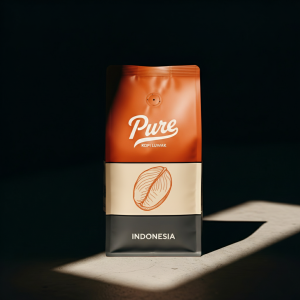
Pure Kopi Luwak
Wild civet coffee from Java. 88.5 SCA cupping score. From $125 for 100g.
What Actually Happens Inside the Civet
When a wild civet consumes a ripe coffee cherry, only the pulp surrounding the bean is digested. The hard inner seed — the bean itself — passes through the digestive tract intact, its outer parchment layer acting as a barrier between the bean and the intestinal environment. What does happen during the 12-to-24-hour passage is more subtle: digestive enzymes permeate the parchment and begin breaking down proteins on the surface of the bean. This is the biological mechanism that makes kopi luwak taste different from everything else.
Upon collection from the forest floor, the beans are still encased in parchment. They haven’t been exposed to the third-party environment in any direct way. The parchment functions the same way a shell does for an egg — it’s what’s inside that matters, and the inside is intact.
Three Steps That Remove Any Legitimate Concern
The first step is washing. Wild kopi luwak beans are washed multiple times in clean water immediately after collection. Any material on the outer parchment is removed. The beans at this stage are no different, hygienically, from wet-processed specialty coffee that’s been through a fermentation tank and washing channel — a method celebrated by the specialty coffee world as a mark of quality.
The second step is sun-drying. The washed parchment-covered beans dry in direct sunlight, typically for several days. UV exposure is an effective antimicrobial step. It’s also the same drying process used for natural-process coffees from Ethiopia, Brazil, and across the coffee-producing world.
The third step is roasting. This is where any remaining concern should evaporate. Green coffee beans go into a drum at temperatures between 195°C and 230°C. At those temperatures, the Maillard reaction reshapes the bean’s chemistry entirely — producing hundreds of volatile compounds that become coffee’s flavor and aroma. It is sterilization followed by transformation. Nothing biologically concerning survives the roasting drum.
Massimo Marcone, a food scientist at the University of Guelph who published early research on kopi luwak’s safety, was direct about his findings: tests revealed that kopi luwak beans had negligible amounts of enteric organisms associated with feces. His own words framed it as a surprise: “As a food scientist, I was skeptical — but the tests showed the product is safe.”
Try the coffee this article is about
Wild-sourced from Java, 88.5 SCA cupping score, free US shipping. From $125 for 100g.
Shop Pure Kopi Luwak →What the Chemistry Actually Says (This Is the Interesting Part)
Safety is one question. The more interesting question is: what does civet digestion add to the bean’s flavor chemistry?
In October 2025, researchers at the Central University of Kerala published a study in Scientific Reports (DOI: 10.1038/s41598-025-21545-x) comparing kopi luwak beans with conventionally fermented beans using gas chromatography–mass spectrometry. They found that kopi luwak has a unique fatty acid composition — specifically elevated levels of caprylic acid methyl ester and capric acid methyl ester. These compounds are not markers of animal digestion in any unpleasant sense. They’re used as flavoring agents by food companies to impart a dairy-like quality into food products. Creamy. Round. Rich.
Separately, metabolomics research comparing kopi luwak with standard Arabica beans found elevated concentrations of pyrazines, furans, and guaiacol derivatives in roasted kopi luwak samples. Pyrazines produce nutty, roasted depth. Furans contribute sweetness and caramel character. Guaiacol adds a warm, smoky undertone. A further study using GC-MS analysis identified maltol and 2,5-dimethylpyrazine as compounds that can chemically distinguish kopi luwak from conventionally processed coffee — both compounds associated with sweet, caramelized warmth in the finished cup.
The civet doesn’t contaminate the coffee. It changes its flavor chemistry in ways that, when roasted and brewed, produce a cleaner, deeper, more layered cup than the same beans would produce otherwise.
The Irony Worth Naming
There’s an irony in the “doesn’t it taste like poop” question that’s worth stating plainly: the assumption it contains is exactly backwards. The worry is that animal proximity equals contamination. The reality is that the specific biological processes involved — enzymatic protein hydrolysis by a healthy wild animal eating peak-ripe fruit — produce a measurable improvement in flavor chemistry that no conventional processing method has replicated.
If you’d like to taste for yourself, Pure Kopi Luwak is sourced exclusively from wild civets on Javanese farms, collected from the forest floor, washed, dried, and roasted to a medium profile that preserves the compounds researchers have spent twenty years studying. There is a reason food chemists keep returning to this coffee.
One More Thing Worth Considering
Consider what’s already in a cup of conventionally processed specialty coffee. Wet processing involves submerging cherries in fermentation tanks filled with microbial activity for 24 to 72 hours. Natural processing leaves whole cherries to dry in contact with their fruit — and all the associated microbial action — for two to six weeks. The specialty coffee world celebrates both methods without hesitation, because the processing enhances flavor, not compromises it.
Kopi luwak’s processing is shorter, more controlled, and more studied than either. The reputation problem isn’t scientific. It’s that most people hear “civet poop coffee” before they hear anything else — and that’s a hard first impression to shift.
The second impression, if you allow it, is considerably better. The tasting notes from the first cup — dark chocolate, dried fruit, low acidity, clean finish — rarely generate follow-up questions about where the beans have been. They generate questions about where to get more.
For more context on what wild civet processing produces in the cup, see our detailed guide on what kopi luwak actually tastes like and how civets select the cherries that become it.
Pure Kopi Luwak
Wild civet coffee from Java. 88.5 SCA cupping score. From $125 for 100g.
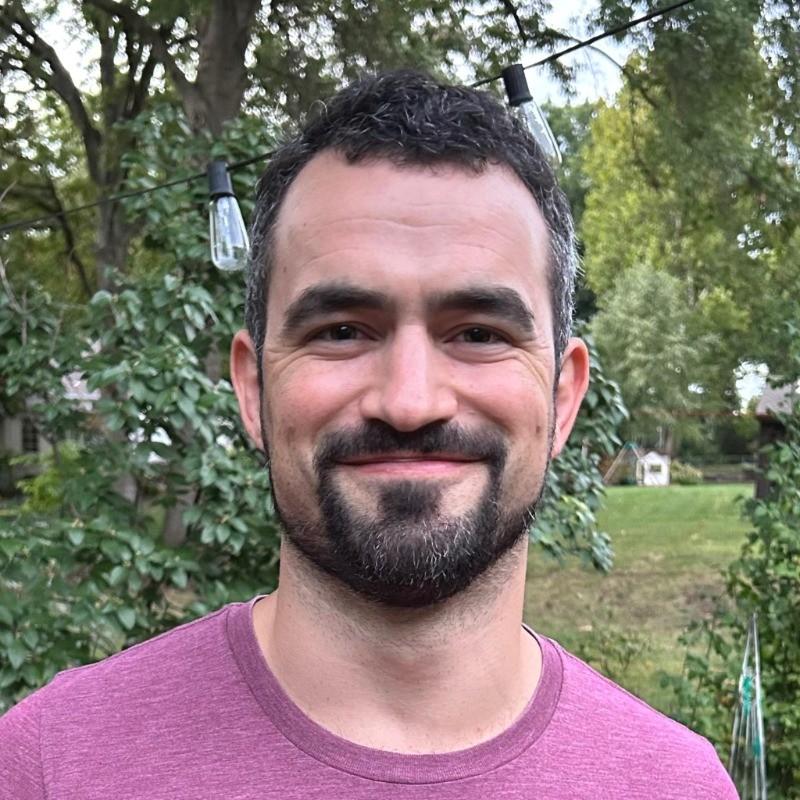
Roger Abbott founded Pure Kopi Luwak in 2018 after a trip through the volcanic highlands of Java, and has bought from the same farming families ever since. He only works with collectors of wild civet coffee, never caged. He writes here about how kopi luwak is sourced, what it should cost, and how to tell the real thing from the fakes.