In August 2024, a single kilogram of coffee from Lamastus Family Estate in Panama sold for $10,013 at auction — a record for traded coffee, and roughly 5,000 times the commodity price for commercial Robusta that week. That gap isn’t explained by marketing. It reflects every decision made from the moment a seed goes into the ground: which cultivar, what altitude, how many hands picked each cherry at peak ripeness, how long it fermented and under what conditions, who roasted it and to what profile. Coffee doesn’t have a single price — it has a cost structure that starts at origin and compounds at every stage from farm to finished bag.
The Coffee Value Chain: From Farm to Cup
Coffee pricing begins at origin and accumulates value through each step of the supply chain:
The price starts at farmer level, covering land, labor, processing, and initial quality sorting. Regional processing adds milling, further sorting, and export preparation. Import and distribution layers in shipping, customs, and regional logistics. Roasting contributes its own processing, packaging, and quality control costs. By the time the bag reaches retail, it carries the cost of every hand and every decision made at each stage above.
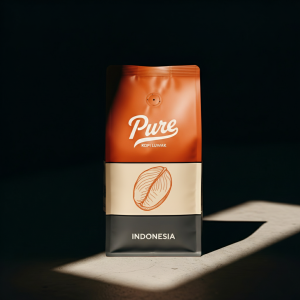
Pure Kopi Luwak
Wild civet coffee from Java. 88.5 SCA cupping score. From $125 for 100g.
Each stage adds costs and value, with premium coffees requiring additional investment at every level.
Agricultural Factors Driving Coffee Costs
Terroir characteristics significantly impact production costs and pricing:
Altitude and Growing Conditions:
High-altitude coffee grows slowly, developing complex flavors but requiring more labor and yielding smaller harvests. Mountains of Java and Sumatra produce exceptional beans, but challenging terrain increases production costs dramatically.
Climate Vulnerability:
Premium coffee regions face increasing climate pressures, reducing yields and increasing agricultural risks. Farmers must invest in adaptation strategies, resilient varieties, and sustainable practices that increase costs but ensure long-term viability.
Labor Intensity:
Specialty coffee requires hand-picking at perfect ripeness, selective harvesting, and careful post-harvest handling. These labor-intensive processes cost significantly more than mechanical harvesting used for commodity coffee.
Processing Method Economics
Different processing methods create dramatically different cost structures:
Standard Processing (Washed/Natural):
- Established infrastructure and techniques
- Predictable costs and timelines
- Moderate labor requirements
Specialty Processing (Honey, Anaerobic):
- Extended processing timelines
- Specialized equipment requirements
- Higher risk of processing failures
- Additional quality control measures
Learn more about how anaerobic fermentation creates unique flavors while significantly increasing production costs and complexity.
Exotic Processing (Animal-Processed):
Kopi Luwak represents the extreme end of processing costs – wild sourcing, verification, minimal yields, and intensive authentication create the world’s most expensive coffee category.
Quality Grading and Sorting Costs
Premium coffee requires extensive quality control:
Premium coffee requires multiple sorting passes to remove defects and sort by size, density separation to eliminate lighter beans, and final hand-picking by trained sorters. Professional cupping sessions then evaluate each lot, with detailed lot tracking maintained throughout to ensure traceability and quality records. These processes can triple the time and cost of preparing green coffee compared to commodity operations.
These processes can triple processing time and costs compared to commodity coffee preparation.
Rarity and Limited Production
Scarcity drives premium pricing across several categories:
Geographical Limitations:
Certain varieties grow only in specific microclimates. Rare coffee species like Liberica and Excelsa command premium prices due to limited growing regions and small-scale production.
Varietal Rarity:
Heirloom varieties and rare cultivars often yield less but offer unique flavor profiles. Geisha/Gesha varieties, for example, regularly auction for record prices due to their exceptional characteristics and low yields.
Processing Innovation:
New processing methods like carbonic maceration or extended fermentation create unique flavors but require experimentation, risk, and small batch sizes that increase per-pound costs.
Certification and Traceability Costs
Premium coffee often carries certifications that add value but increase costs:
Organic certification involves inspection, documentation, and the underlying cost of premium farming practices. Fair Trade requires social auditing and above-market payments to farmers. Rainforest Alliance certification demands environmental and social compliance audits. Cup of Excellence competition entries involve judging costs and auction premiums. Direct trade relationships require farm visits, ongoing communication, and a commitment to transparency. Each of these adds real cost — and real value — to the final product.
Try the coffee this article is about
Wild-sourced from Java, 88.5 SCA cupping score, free US shipping. From $125 for 100g.
Shop Pure Kopi Luwak →Roasting and Quality Control Expenses
Premium coffee roasting involves significant additional costs:
Small Batch Roasting:
Specialty roasters use smaller batches for quality control, requiring more labor per pound and sophisticated equipment. Precision roasting demands skilled operators and extensive quality testing.
Profile Development:
Each premium coffee requires custom roast profile development through multiple test batches, cupping sessions, and refinement iterations.
Quality Loss:
Premium roasters discard beans that don’t meet standards, with quality losses of 5-15% common in specialty operations.
Storage and Logistics Challenges
Maintaining coffee quality from farm to consumer requires expensive infrastructure:
Maintaining quality from farm to cup requires temperature and humidity-controlled storage, protective packaging with one-way degassing valves and sometimes nitrogen flushing, rapid inventory turnover to maintain freshness, and expedited shipping with careful handling. Commodity coffee suppliers routinely skip these steps — which is part of why commodity coffee costs a fraction of specialty.
Proper coffee storage requires investment that commodity coffee suppliers often skip.
Market Dynamics and Speculation
Coffee markets face unique economic pressures:
Commodity Market Volatility:
Coffee C-market prices fluctuate based on weather, political instability, and speculation, creating baseline price pressure that affects all coffee categories.
Specialty Market Premiums:
Premium coffee often trades at 200-500% above commodity prices, with the most exclusive lots commanding even higher multiples.
Consumer Demand:
Growing specialty coffee appreciation increases demand faster than supply can expand, driving prices higher for top-quality beans.
Geographic and Political Factors
Coffee production faces numerous external pressures:
Climate change is shifting growing regions, creating extreme weather events, and increasing agricultural instability. Political instability in producing countries disrupts supply chains and creates currency volatility. Land use pressure from urban development and agriculture conversion reduces available growing areas. Labor migration affects seasonal worker availability and drives up wages in traditional growing regions.
Research and Development Costs
Innovation in coffee requires significant investment:
Breeding programs develop disease-resistant, high-quality varieties. Processing innovation through fermentation and drying experiments requires time and resources. Sustainability research develops environmentally friendly practices. And quality research into flavor chemistry and optimization helps producers extract more value from their crops.
Brand Building and Marketing
Premium coffee brands invest heavily in:
- Origin story development and storytelling
- Relationship building with producers
- Educational content and consumer awareness
- Quality competitions and recognition
- Sustainable practice communication
Comparative Value Analysis
Understanding coffee value requires context:
Even $50-per-pound coffee costs less than $2 per cup when properly portioned — a genuinely accessible luxury when you consider what you get. Premium coffee provides sensory experiences comparable to fine wine or spirits at similar or lower per-serving cost. And higher prices often mean better farmer compensation and more sustainable practices, so the ethical and experiential value align.
The Psychology of Premium Pricing
Consumer perception significantly affects coffee pricing:
Price perception plays a real role in how coffee is experienced. Higher prices signal superior quality and limited availability increases desirability. Premium coffee carries a lifestyle dimension that commodity coffee does not. And there is genuine psychology behind the observation that expensive coffee tends to receive more attention and appreciation from the drinker — the investment changes the experience.
Future Trends in Coffee Pricing
Several factors will influence future coffee economics:
Looking ahead, climate adaptation will increase costs as growers invest in resilient farming practices. Automation may reduce labor costs at certain processing stages. Direct trade relationships continue to cut out middlemen, potentially bringing costs down while improving farmer compensation. And ongoing quality innovation — new processing methods, new varieties — will continue creating premium categories that justify higher prices.
Making Informed Coffee Purchases
Understanding economics helps optimize coffee spending:
- Identify what matters most to you: flavor complexity, ethical sourcing, rarity, or some combination
- Calculate the actual cost per cup before balking at bag price — even premium coffee is often cheaper per serving than a specialty cafe drink
- Understand seasonality and time purchases for optimal value during harvest windows
- Build direct relationships with roasters for better access and pricing over time
- Experiment systematically — try premium coffees side by side to understand your own preferences before committing to larger purchases
Conclusion: Value Beyond Price
Expensive coffee reflects complex agricultural, processing, and market factors that create genuine value for discerning consumers. While not every premium coffee justifies its price, understanding the economics helps identify legitimate quality and value.
The most expensive coffees combine rarity, exceptional quality, sustainable practices, and unique experiences that extend far beyond simple caffeine delivery. For those who appreciate coffee’s complexity and craftsmanship, premium pricing often represents fair compensation for extraordinary effort and results.
Whether investing in rare Kopi Luwak or exploring high-scoring competition lots, understanding what drives coffee pricing enhances appreciation and ensures informed decisions in the pursuit of exceptional coffee experiences.
Pure Kopi Luwak
Wild civet coffee from Java. 88.5 SCA cupping score. From $125 for 100g.

Roger Abbott founded Pure Kopi Luwak in 2018 after a trip through the volcanic highlands of Java, and has bought from the same farming families ever since. He only works with collectors of wild civet coffee, never caged. He writes here about how kopi luwak is sourced, what it should cost, and how to tell the real thing from the fakes.