The bottle you bring to a dinner party gets opened, poured into glasses, and forgotten within forty minutes. It disappears into the meal the way the bread basket does — appreciated in the moment, indistinguishable by the time dessert arrives. Twelve people around a table, glasses filled from four different bottles, and nobody is discussing which one you brought by the time the cheese plate comes out.
Americans spent more than $50 billion on wine in 2023, according to Wine Institute figures. A meaningful fraction of that went to hostess gifts — bottles in the $20-to-40 range that represented a social obligation performed more than a genuine gesture. The host appreciated the thought. The wine was probably fine. But it wasn’t the wine anyone will remember.
There is a better option, and it costs roughly the same.
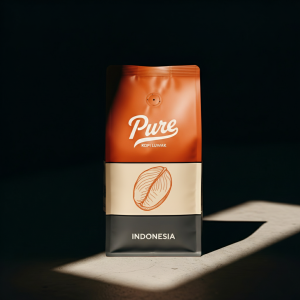
Pure Kopi Luwak
Wild civet coffee from Java. 88.5 SCA cupping score. From $125 for 100g.
Why Wine Became the Default — and Why That’s a Problem
Hostess gifts serve a specific function: they acknowledge that someone opened their home, cooked for you, and created an evening. The gift should communicate gratitude and thoughtfulness without requiring the host to do anything with it in the moment, without being elaborate or awkward to receive, and without implying that you know their tastes better than you do.
Wine became the default because it’s legible as a gift, broadly appreciated, available everywhere, and neither too personal nor too impersonal. These are real virtues. They’re also exactly what makes wine forgettable as a hostess gift — it optimizes for inoffensive rather than memorable, for functional rather than distinctive. The host may well receive three bottles that evening. They’ll drink them all within the month and remember none of them specifically.
What works better is a gift that preserves wine’s virtues (universally enjoyed, appropriate for any household, requires nothing from the host in the moment) while delivering a genuinely different experience — something the host hasn’t had before and will specifically remember receiving from you.
Try the coffee this article is about
Wild-sourced from Java, 88.5 SCA cupping score, free US shipping. From $125 for 100g.
Shop Pure Kopi Luwak →What Wild Kopi Luwak Does at a Dinner Party
Wild kopi luwak arrives as a story as well as a product, and the story is genuinely interesting to almost everyone in the room.
You don’t need to deliver the full explanation at the door. The one-sentence version — “This is kopi luwak, the coffee made by civets in Java; I think you’re going to have a good time with it” — creates an immediate conversation piece. Coffee is a subject almost everyone has something to say about. Unlike wine, where the connoisseurship vocabulary can create two-tier dynamics, coffee’s experiential language is accessible: smooth, strong, interesting, unusual. Wild kopi luwak falls clearly in the last two categories, and the unusual part gives people something to ask about for the next hour.
The gift also behaves differently from wine in a practical sense: a 100-gram bag of Pure Kopi Luwak, sourced from wild civets on Java’s highland farms, is compact, elegantly packaged, and stays fresh in an unopened bag for months. It won’t be opened and poured into glasses that evening. It won’t disappear by midnight. It will sit on the host’s kitchen counter until a quiet morning — probably a Saturday, probably with time to pay attention — when they brew it properly and think specifically of you and the evening they received it. That morning, and that association, is the real gift.
The Story Behind the Bag
The authenticity distinction matters here and is worth a brief mention when you hand it over — not as a lecture, but as a detail that adds to the story.
Authentic wild kopi luwak is sourced from free-roaming Asian palm civets (Paradoxurus hermaphroditus) on Java’s highland coffee farms. The civets forage at night, selecting only peak-ripe coffee cherries by smell with precision that no human harvesting operation reliably achieves. The beans pass through the civet’s digestive system over 12 to 24 hours, where proteolytic enzymes break down the storage proteins that become bitterness precursors during roasting. Global annual production of genuinely wild-sourced kopi luwak is a few hundred kilograms — a tiny fraction of what’s sold globally as “kopi luwak,” most of which comes from caged civets fed forced diets and produces a flat, inferior product.
The distinction between wild and caged kopi luwak is significant: the enzymatic quality of a well-nourished wild animal processing peak-ripe fruit produces a flavor profile that cage-farmed imitations cannot replicate. The result is chocolate-forward, full-bodied, smooth, with a finish that most coffee drinkers have never experienced. That’s the story. It takes thirty seconds to tell and generates questions for the next hour.
How to Give It Well
The 100g bag at $125 is the right size for most dinner party contexts — substantial enough to feel genuinely generous without being overwhelming. For a closer friendship or a particularly significant occasion, the 250g bag at $188 covers a full month of mornings and makes a more expansive statement.
A brief note on brewing alongside the bag is a nice touch: French press at 93°C (200°F), four-minute steep, metal mesh filter to preserve the essential oils. Or a pour-over with the same water temperature and a three-to-four-minute total brew time. Drink it black first — the character of wild kopi luwak is in the flavor itself, and it’s most apparent before anything else is added.
The host will spend the next several days looking at that bag on their counter with interest. The morning they finally open it will be a genuinely good one. The bottle of wine you were going to bring was perfectly fine. This is better — and it’s the gift they’ll mention when someone else brings wine to their next party.
Pure Kopi Luwak
Wild civet coffee from Java. 88.5 SCA cupping score. From $125 for 100g.

Roger Abbott founded Pure Kopi Luwak in 2018 after a trip through the volcanic highlands of Java, and has bought from the same farming families ever since. He only works with collectors of wild civet coffee, never caged. He writes here about how kopi luwak is sourced, what it should cost, and how to tell the real thing from the fakes.