At Bali Pulina plantation in Tegallalang, a cup of kopi luwak costs IDR 50,000 — about $3. At Urban Coffee in Singapore‘s Raffles Place, a kopi luwak option occasionally appears on the menu at SGD 28 ($21). At One Aldwych hotel in London‘s Covent Garden, a kopi luwak tasting has been served for £45 ($57). And at a handful of Tokyo specialty cafés, single portions of authenticated wild luwak have been priced as high as ¥8,000 ($54). The same coffee — or something marketed as the same coffee — costs between $3 and $54 depending on the cup, the city, and what you’re actually receiving.
The spread is not random. It reflects real differences in sourcing, authentication, and market position that serious buyers should understand before they pay.
Bali and Java: On-Site Plantation Prices
The cheapest kopi luwak experiences in the world are on the island of Bali, where dozens of agrotourism farms charge tourist prices for cups served on-site. Bali Pulina in Tegallalang, one of the most visited, charges IDR 50,000 per cup (approximately $3) on top of a IDR 65,000 tasting tray entrance. A handful of farms in West Bali charge similar prices. The Ubud tourist strip has cafés selling kopi luwak at IDR 80,000–150,000 ($5–$9) per cup.
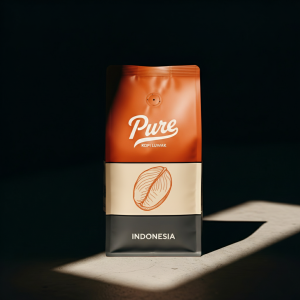
Pure Kopi Luwak
Wild civet coffee from Java. 88.5 SCA cupping score. From $125 for 100g.
These prices are not indicative of wild, authenticated kopi luwak. At these price points, you are almost certainly drinking farmed-civet product — coffee processed by civets kept in cages, which does technically count as kopi luwak but produces a less distinctive cup than wild-sourced beans. That doesn’t make it worthless or bad, but it’s worth knowing what you’re paying for. The on-site Bali experience has value as an introduction to the concept; it is not the premium product that serious buyers seek.
Global Café Prices for “Kopi Luwak”
Outside Indonesia, kopi luwak typically appears on café menus as a premium option at a substantial markup over standard offerings. In Singapore, the handful of specialty cafés that stock it price cups between SGD 18 and SGD 35 ($13–$26). In Hong Kong, Café de Coral’s premium branches have offered kopi luwak tastings around HKD 280 ($36). In London, upscale hotel venues charge between £35 and £55 per serving.
New York City has seen kopi luwak appear at pop-up events and luxury food experiences at prices ranging from $15 to $80 per cup, with little consistency in what the product actually is. A few specialty importers in the US sell authenticated wild kopi luwak by the cup at events or tasting rooms, typically starting at $35–$50.
Japanese consumers have historically been among the most willing to pay premium prices for authenticated product. Tokyo specialty shops sourcing directly from verified Indonesian producers have priced wild luwak at ¥5,000–¥8,000 per serving ($34–$54). Japan purchases more luxury Indonesian coffee per capita than any other country, and buyers there tend to have the sophistication to demand documentation.
What You’re Actually Getting at Different Price Points
The café market for kopi luwak has a serious authenticity problem. A 2016 investigation published in the journal Food Research International found that the majority of kopi luwak sold internationally — including through cafés and specialty retailers — contained conventional coffee mixed with small amounts of genuine product or no civet-processed beans at all. The premium pricing persists because buyers cannot easily verify the product in their cup.
Practically speaking: a $3 cup at a Bali plantation is almost certainly farmed-civet product. A $20–$40 cup at a Singapore or London café is of uncertain origin and has probably been purchased from a supplier who cannot verify its provenance. A cup served at an event by a known importer with documented supply chains has meaningful authenticity credentials. And purchasing directly from a verified wild-source supplier — rather than through a café intermediary — remains the most reliable way to ensure you’re drinking what the label says.
The Home Brewing Cost Comparison
Buying authenticated wild kopi luwak at retail — roughly $80–$130 per 100 grams from legitimate importers — and brewing it at home works out to approximately $10–$15 per cup at standard coffee-to-water ratios. That’s less than most of the café prices listed above, and you have documentation about what you’re drinking. For anyone who wants to experience genuine wild kopi luwak seriously, home brewing from a verified source is both cheaper and more certain than ordering it in a café.
Understanding how kopi luwak pricing works across the market, and how to verify what you’re buying, transforms this from a confusing premium category into something navigable — even for a first-time buyer.
Pure Kopi Luwak
Wild civet coffee from Java. 88.5 SCA cupping score. From $125 for 100g.
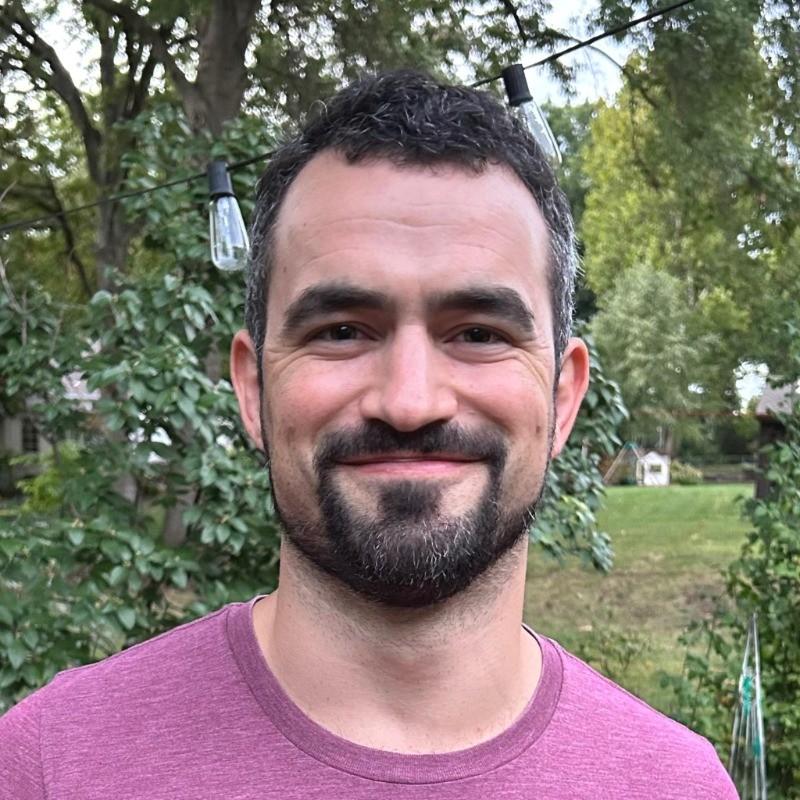
Roger Abbott founded Pure Kopi Luwak in 2018 after a trip through the volcanic highlands of Java, and has bought from the same farming families ever since. He only works with collectors of wild civet coffee, never caged. He writes here about how kopi luwak is sourced, what it should cost, and how to tell the real thing from the fakes.