The National Center for Education Statistics projects approximately 2.2 million bachelor’s degrees will be awarded in the 2025-26 academic year. That’s 2.2 million people completing a four-year tenure that, for most of them, involved a fairly consistent coffee experience: the Keurig pod in the residence hall kitchen, the scorched drip from the library’s 24-hour study room, the campus café charging $5.50 for a flat white that tasted like it was made by someone who had just learned what a flat white was. Caffeinating happened. Coffee appreciation, less so.
Graduation is the moment the infrastructure changes. The dining hall disappears. The shared kitchen closes. And if a gift can mark that transition in a way that is specific, unexpected, and genuinely memorable — something with more staying power than a LinkedIn Premium subscription or a branded travel mug — it tends to accomplish more than anything wrapped in tissue paper from a list.
Why Coffee Is the Right Gift Category
The move into post-college life typically involves setting up a real kitchen for the first time — with real equipment, real discretion, and no communal appliances to blame for bad results. If the graduate already cares about coffee even a little, this is the moment they’re most likely to invest in their morning ritual for real. They’re forming new habits. A gift that defines what “good coffee” means for them, at this particular moment, shapes that habit permanently.
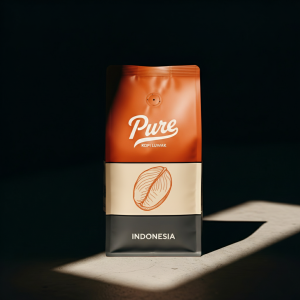
Pure Kopi Luwak
Wild civet coffee from Java. 88.5 SCA cupping score. From $125 for 100g.
Wild kopi luwak meets that moment specifically. It’s not something they’ve had before. It’s not something they’d buy for themselves — not because they couldn’t afford it, but because they’ve probably never thought to. It arrives with a story that’s worth telling, and a cup that justifies the story once they brew it.
What You’re Actually Giving Them
Genuine wild kopi luwak is coffee processed by free-ranging Asian palm civets (Paradoxurus hermaphroditus) in the highland coffee-growing regions of Java, Indonesia. The civets select peak-ripe coffee cherries from among all available options based on highly developed olfactory detection — a quality-sorting behavior that prioritizes fruit at optimal Brix, the sugar-content window that produces the best-tasting raw material. The beans then undergo enzymatic modification during a 12-to-24-hour digestive transit that reduces bitterness-precursor proteins and lowers the concentration of sharp organic acids in the finished cup.
The result is coffee that is smooth in a way that purely agricultural processing cannot replicate. Not smooth as in “easy drinking” — smooth as in structurally different from other coffee at a chemical level. For a graduate who has spent four years drinking whatever was available, the first cup of wild kopi luwak is a genuine recalibration: oh, that’s what this is supposed to be.
Authentic wild production is genuinely limited. Total output from Java and other Indonesian islands runs between 500 and 700 kilograms per year globally — a number that most people in the specialty coffee industry find startling when they first encounter it. A 100-gram bag represents a meaningful fraction of what a single wild civet produces in an entire harvest season. That’s not a marketing flourish. It’s a supply constraint with real implications for what the coffee costs and why.
The Problem With Standard Graduation Gifts
Between the LinkedIn subscriptions, the travel adapter kits, the monogrammed leather notebooks, and the well-meaning kitchen gadgets, most graduation gifts solve for “useful” or “practical” — categories that inadvertently signal the giver didn’t think especially hard. The gifts graduates actually remember tend to be the ones that felt personal: that someone noticed what they were into, or found something they wouldn’t have found themselves.
Wild kopi luwak accomplishes this not through its price but through its specificity. It’s not a category. It’s a particular coffee, from a particular place, made in a particular way, with a finite annual production that gives it genuine scarcity value. The graduate who receives it knows you did your homework.
Who This Works Best For
The obvious recipient is the graduate who already talks about coffee — who has opinions about roast levels, who sought out the good local roaster when they were home for break, who went through a pour-over phase their junior year. For that person, wild kopi luwak is the natural next step on a path they’re already on. A post about what kopi luwak tastes like gives useful context before the first brew.
It also works for the person who doesn’t care much about coffee yet but cares about being someone who tries interesting things. The appeal of kopi luwak has always included the story: what it is, how it’s made, why it’s rare, what makes it taste different. That story is social currency. A thoughtful graduate who opens a bag of wild kopi luwak will know exactly what to do with it — and who to tell.
Making It a Gift Worth Opening
A 100-gram bag of Pure Kopi Luwak is $125. For that price, you’re giving them 10 to 12 cups of something genuinely unmatched — less per-experience than concert tickets, a nicer dinner, or the kind of gift card that gets spent on something forgotten by July.
Pair it with a short card that explains what it is: wild civet coffee from Java, 500-700 kilograms made per year globally, smoother than anything they’ve tasted before, best brewed in a pour-over or French press with water just off the boil. Give them the tools to appreciate it. The coffee does the rest.
Four years of dining-hall drip. Now here’s what coffee actually tastes like.
Pure Kopi Luwak
Wild civet coffee from Java. 88.5 SCA cupping score. From $125 for 100g.

Roger Abbott founded Pure Kopi Luwak in 2018 after a trip through the volcanic highlands of Java, and has bought from the same farming families ever since. He only works with collectors of wild civet coffee, never caged. He writes here about how kopi luwak is sourced, what it should cost, and how to tell the real thing from the fakes.