The difference between exceptional kopi luwak and unremarkable kopi luwak is often decided before a single bean reaches the roaster. Bean defects and quality grading — the unglamorous, labor-intensive process of evaluating, sorting, and categorizing green coffee — determine more of what ends up in your cup than processing method, roast profile, or brewing technique combined. And in wild kopi luwak production, where the raw material is collected manually from the forest floor and each bean has traveled through an animal’s digestive tract, the defect sorting process is particularly consequential.
How Green Coffee Grading Works
Green coffee grading systems vary by origin country, but the Specialty Coffee Association framework provides the most widely used international standard. The SCA system classifies green coffee on a 350-gram sample basis, evaluating for two types of defects: primary (Category 1) and secondary (Category 2).
Category 1 defects — the most damaging to cup quality — include full black beans (dead, fermented beans that produce earthy, phenolic off-flavors), full sour beans (over-fermented beans with sharp vinegar or onion notes), dried coffee cherry (un-husked beans that absorb moisture and contaminate surrounding beans), fungus-damaged beans (which carry mycotoxin risk), severe insect damage (more than 50% of the bean surface affected), and foreign matter. A specialty-grade lot can tolerate zero Category 1 defects. None. Even a single full black bean in a 350-gram sample is enough to drop a lot out of specialty classification.
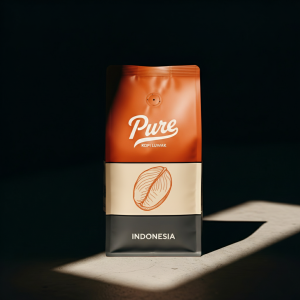
Pure Kopi Luwak
Wild-sourced. Organic. Arabica. From $125.
Category 2 defects — less catastrophic individually but cumulatively damaging — include parchment, broken/chipped beans, partial black, partial sour, floaters (underdeveloped beans), shells, slight insect damage, and withered beans. The SCA allows a maximum of five Category 2 defects in a 350-gram specialty-grade sample. Commercial-grade coffee allows more.
Defects Specific to Kopi Luwak Production
Wild kopi luwak production introduces defect risks that conventional coffee processing doesn’t share. The collection process — gathering beans from the forest floor beneath wild civet foraging routes — means exposure to soil moisture, insects, and ambient microorganisms for a period between excretion and collection. Beans collected within hours of excretion are cleaner; beans that sat overnight in heavy rain carry higher contamination risk. This is one of the reasons that dedicated, experienced collectors who monitor civet activity and collect on predictable schedules produce more consistent quality than opportunistic collection.
The civet’s digestive tract occasionally produces a specific defect: beans with surface scoring or erosion from prolonged exposure to digestive acids. These beans, if not sorted out, can produce off-flavors during roasting — the damaged surface area accelerates browning and can create localized bitter or carbon-like notes. Skilled green coffee sorters identify these by surface texture under bright light: the erosion pattern is distinguishable from normal bean surface variation once you know what you’re looking for.
Partial digestion — where the civet consumed only part of a cherry and the bean was only partially exposed to the digestive process — creates inconsistent processing. These beans may taste closer to conventionally processed coffee than to proper kopi luwak, since the enzymatic modification was incomplete. They’re not necessarily defective by standard grading criteria, but they’re undesirable in a premium lot that should express consistent kopi luwak character.
The Role of Screen Size in Kopi Luwak Grading
Beyond defect counting, green coffee grading includes physical screening by bean size (measured through sieves with holes of specific diameters, measured in 64ths of an inch). Larger bean size generally correlates with slower development at altitude and more complete sugar accumulation — specialty Arabica lots often specify screen size 15+ or 16+ for premium classifications. Kopi luwak collected from wild civets on Javanese farms primarily involves Typica Arabica grown at 800-1,500 meters, which typically produces larger screen sizes than lowland Robusta.
Consistent screen size within a lot also matters for roasting: beans of significantly different sizes roast at different rates, meaning that a poorly sorted lot will have some beans over-developed while others remain under-developed when the roaster calls time. A well-sorted, consistent-screen kopi luwak lot roasts more predictably, which is one reason proper kopi luwak roasting depends on the quality of the green sorting that preceded it.
Moisture Content and Water Activity
Properly processed kopi luwak green beans should have a moisture content of 10-12% — the standard range for specialty green coffee that allows stable storage without mold risk or over-drying that makes beans brittle and prone to shattering during roasting. Beans collected from the forest floor in wet conditions and dried insufficiently may arrive at higher moisture content, which accelerates quality degradation during storage and creates fungal risk.
Water activity — a more precise measure than moisture percentage, capturing how much of the moisture in the bean is available for microbial growth — should be below 0.70 for stable storage. This is particularly relevant for kopi luwak, where the initial cleanliness of the green bean after collection and washing affects long-term storage stability. Properly cleaned, sun-dried, and moisture-controlled kopi luwak can be stored for 6-12 months without significant quality loss. Poorly processed beans begin degrading in weeks.
What This Means When Buying
Premium-priced kopi luwak that has gone through proper defect sorting, screen grading, and moisture management is worth the premium. Kopi luwak that hasn’t — including a significant portion of what’s sold through tourist channels in Bali and at low price points online — is expensive coffee with defect-level quality hidden by the kopi luwak story. Authentication and sourcing verification are the first lines of defense; understanding that verified wild sourcing and documented quality grading are distinct — and both necessary — is the second.
The wild-sourced Java kopi luwak from Javanese farms goes through hand-sorting after collection, washing to remove surface contamination, and sun-drying to proper moisture targets before export. The defect rate is the variable that separates a cup that justifies its price from one that doesn’t — and it’s one of the least glamorous but most consequential parts of the production chain.
Pure Kopi Luwak
Wild-sourced. Organic. Arabica. From $125.

Roger Abbott is the founder of Pure Kopi Luwak. He has spent over a decade sourcing wild kopi luwak directly from farmers and collectors in the highlands of Java, Indonesia — working exclusively with wild civets, never caged. He writes about specialty coffee, Indonesian origins, and the science behind what makes kopi luwak taste the way it does.
