When you are spending $125 on 100 grams of Pure Kopi Luwak, it is natural to wonder exactly how far that bag will stretch — and what each cup is actually costing you. For a detailed breakdown of kopi luwak price per cup across different bag sizes, that guide goes deeper on the numbers. Will you get two cups? Ten? Twenty? The answer depends on how you brew, how strong you like your coffee, and which method you choose — but the short answer is more than most people expect. Here is a detailed breakdown so you can plan every gram.
The Basic Math
Coffee brewing ratios are expressed as the weight of coffee grounds to the weight of water. The most widely recommended ratio for a balanced, flavorful cup is 1:15 to 1:17 — that is, one gram of coffee for every 15 to 17 grams of water. Since one milliliter of water weighs approximately one gram, these ratios translate directly to milliliters.
A standard cup of coffee is typically defined as 8 ounces (about 237 milliliters), though many mugs hold 10 to 12 ounces. For this calculation, we will use the 8-ounce standard.
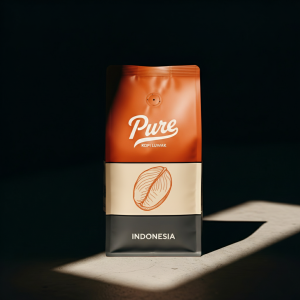
Pure Kopi Luwak
Wild civet coffee from Java. 88.5 SCA cupping score. From $125 for 100g.
At a 1:16 ratio (a good middle ground), an 8-ounce cup requires approximately 15 grams of ground coffee. With 100 grams of beans, that gives you:
100 grams divided by 15 grams per cup = approximately 6 to 7 cups
If you prefer a slightly lighter brew at a 1:17 ratio (about 14 grams per cup), you will get closer to 7 cups. If you like it stronger at 1:15 (about 16 grams per cup), expect around 6 cups. Either way, you are looking at roughly a week of morning cups from a single 100-gram bag.
Yield by Brewing Method
Different brewing methods use different amounts of coffee and water, so your yield will vary. Here is a practical breakdown:
Pour-Over (V60, Chemex, Kalita Wave)
Pour-over brewing is one of the best methods for premium coffee because it produces a clean, transparent cup that showcases the bean’s unique characteristics. The standard ratio is 1:15 to 1:17.
- Coffee per cup: 14-16 grams
- Cups from 100g: 6-7 cups (8 oz each)
- Cost per cup: approximately $18-21
French Press
French press typically uses a slightly higher ratio because the metal mesh filter produces a fuller-bodied cup, and some water is retained by the grounds. A common recipe is 1:15.
- Coffee per cup: 15-17 grams
- Cups from 100g: 6 cups (8 oz each)
- Cost per cup: approximately $21
AeroPress
The AeroPress is versatile — recipes range from concentrated espresso-style shots to full American-style cups. A standard AeroPress recipe uses about 14 to 18 grams of coffee to produce one cup.
- Coffee per cup: 14-18 grams
- Cups from 100g: 5-7 cups
- Cost per cup: approximately $18-25
Espresso
Espresso uses the most coffee per serving by volume but produces a smaller, more concentrated drink. A standard double shot uses 18 to 20 grams of coffee to produce about 36 milliliters (1.2 ounces) of espresso.
- Coffee per double shot: 18-20 grams
- Double shots from 100g: 5 shots
- Cost per shot: approximately $25
If you add hot water to make an Americano or steamed milk for a latte, each shot produces a full-sized drink, so 100 grams still yields 5 complete beverages.
Cold Brew
Cold press coffee uses a higher coffee-to-water ratio than hot methods — typically 1:8 to 1:5 — because the cold water extracts less efficiently. However, cold brew is usually made as a concentrate and diluted before drinking.
- Coffee for a batch: 100g of coffee to 500-800ml of water
- Concentrate yield: approximately 400-600ml
- Diluted servings (1:1 with water or milk): 4-6 cups
- Cost per cup: approximately $21-31
Try the coffee this article is about
Wild-sourced from Java, 88.5 SCA cupping score, free US shipping. From $125 for 100g.
Shop Pure Kopi Luwak →Turkish Coffee (Cezve/Ibrik)
Turkish coffee uses a very fine grind and a ratio of approximately 1:10. Servings are small — typically 2 to 3 ounces.
- Coffee per serving: 7-10 grams
- Servings from 100g: 10-14 servings
- Cost per serving: approximately $9-12
A Summary Table
Here is a quick reference for how far 100 grams of kopi luwak goes with each method:
Pour-over yields 6–7 cups at roughly $18–21 each. French press gives you about 6 cups at around $21 each. AeroPress falls in the 5–7 cup range at $18–25 per cup depending on recipe. Espresso produces 5 double shots at approximately $25 each. Cold brew, brewed as concentrate and diluted, makes 4–6 cups at $21–31 per serving. Turkish coffee goes the furthest, producing 10–14 small servings at $9–12 each.
How to Maximize Every Gram
When you are working with a premium coffee, waste is the enemy. Here are practical tips to ensure every gram delivers its full potential:
Use a Scale
Stop scooping and start weighing. A tablespoon of coffee can vary from 5 to 8 grams depending on the grind size and bean density. A $15 kitchen scale accurate to 0.1 grams pays for itself immediately by eliminating waste from inconsistent dosing.
Grind Fresh, Grind Right
Grind only what you need for each brew. Ground coffee loses aromatics and flavor rapidly — within 15 to 30 minutes. A burr grinder produces uniform particles for even extraction — if you’re unsure which grind size suits your brewing method, the kopi luwak grind size guide covers each method in detail, meaning you get more flavor from fewer grams. An uneven grind wastes coffee because some particles over-extract (turning bitter) while others under-extract (staying sour).
Store Properly
Keep your beans in an opaque, airtight container at room temperature. Avoid the refrigerator (humidity and odors), avoid direct sunlight, and avoid leaving the bag open between uses. Properly stored whole beans maintain peak flavor for two to three weeks after roasting. For more details on preserving this coffee’s unique qualities, see our article on what kopi luwak is made of and how its distinctive characteristics develop.
Dial In Your Recipe
Before you open your bag of kopi luwak, practice your recipe with a less expensive coffee. Get your grind size, water temperature, and timing dialed in so that when you switch to the premium beans, you are not wasting grams on experimental brews that do not turn out right.
Choose the Right Method
Pour-over and AeroPress are ideal for premium coffees because they produce clean cups that let you taste the bean’s nuances. These methods also give you precise control over every variable. Espresso is excellent too, but the higher dose per serving means fewer total cups. French press works well for body-forward coffees. The best method is the one you are most comfortable with and most likely to execute consistently.
Is It Worth the Price Per Cup?
At roughly $18 to $25 per cup for most brewing methods, kopi luwak is undeniably a premium experience. But context matters. A single glass of aged Scotch costs $15 to $50. A glass of fine wine at a restaurant runs $20 to $40. A craft cocktail in a major city is $16 to $22. Compared to other premium beverages, a cup of genuine kopi luwak is actually in the same range — and you get to enjoy it in the comfort of your own home, brewed exactly to your taste.
The 250-gram bag ($225) brings the per-cup cost down significantly — roughly $13 to $16 per cup with pour-over — and gives you enough coffee for two to three weeks of daily cups or a generous number of servings for a special tasting occasion.
Sharing the Experience
One of the best ways to enjoy 100 grams of kopi luwak is to share it. A 100-gram bag is enough for a small coffee tasting with four to six people, where each person gets a full cup via pour-over or a double espresso. The shared experience — tasting something genuinely rare together, comparing notes on the flavor, learning about how it is made — often makes the coffee feel more valuable than drinking it alone over a week of quiet mornings.
Final Thoughts
From a single 100-gram bag of kopi luwak, you can expect 5 to 14 servings depending on your brewing method — with most common methods landing around 6 to 7 full cups. Weigh your doses, grind fresh, store properly, and choose a brewing method that highlights the bean’s unique qualities. Treat it not as everyday coffee but as what it is: a rare, carefully produced experience worth savoring to the last drop.
Pure Kopi Luwak
Wild civet coffee from Java. 88.5 SCA cupping score. From $125 for 100g.

Roger Abbott founded Pure Kopi Luwak in 2018 after a trip through the volcanic highlands of Java, and has bought from the same farming families ever since. He only works with collectors of wild civet coffee, never caged. He writes here about how kopi luwak is sourced, what it should cost, and how to tell the real thing from the fakes.