Somewhere between the third and fourth bag of genuine wild kopi luwak, most buyers face a decision they didn’t anticipate when they made that first purchase: whether to treat this as a recurring ritual or an occasional indulgence. The question isn’t trivial. Wild kopi luwak is genuinely seasonal, produced in small quantities by a process that can’t be scaled, and its quality depends heavily on freshness. How you buy it affects how good it actually tastes.
The subscription versus single-purchase debate in premium coffee is partly about economics, but for wild kopi luwak specifically, it’s more meaningfully about the relationship between freshness, supply chain transparency, and the kind of producer you’re actually supporting.
The Freshness Problem with Single Purchases
Coffee is an agricultural product that peaks shortly after roasting and then declines. The volatile aromatic compounds responsible for kopi luwak’s distinctive character — the low-bitterness profile, the syrupy body, the earthy depth — begin degrading within weeks of roasting. This is true of all specialty coffee, but it matters more at this price point. Spending $150 on beans that have been sitting in a warehouse or on a retail shelf for three months is a poor investment in both money and experience.
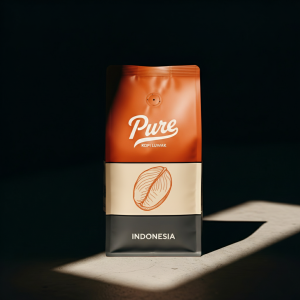
Pure Kopi Luwak
Wild-sourced. Organic. Arabica. From $109.
Single purchases made without attention to roast date carry this risk by default. Unless the seller is transparent about when the beans were roasted — and many aren’t — you’re guessing at freshness. A beautifully packaged bag with a “best before” date twelve months out tells you nothing about when the beans were actually roasted.
Subscription models that roast to order solve this problem structurally. When a shipment is triggered by a recurring order, the producer roasts specifically for that order rather than drawing from pre-roasted inventory. For a coffee where freshness has this much impact on the cup quality, that structural difference is significant.
The Supply Chain Argument for Regular Relationships
Wild kopi luwak production is genuinely constrained. A wild civet foraging on a Javanese highland farm might consume 50 to 100 cherries per night during peak harvest season. The total annual yield of certified wild product from a single farm is measured in kilograms, not tons. During high-demand periods, the best producers allocate their supply preferentially — and regular buyers with established relationships typically receive that preferential treatment before one-time purchasers.
If you buy once and then return months later expecting the same lot, you may find it unavailable, or you may find the available stock is from a different harvest with different flavor characteristics. Building a relationship with a specific producer — the kind that a subscription creates naturally — gives you more consistent access to verified wild product from known origins, rather than whatever happens to be in stock when you remember to reorder.
This is less romantic than it sounds and more practical. The transparency that distinguishes legitimate wild kopi luwak from caged product — a distinction that matters enormously for both quality and ethics — is information that flows more easily in ongoing commercial relationships. A producer who knows you’ll order again every six weeks has more reason to communicate sourcing details, harvest timing, and processing notes than one who thinks they’ll never hear from you again.
When a Single Purchase Makes More Sense
If this is your first purchase, don’t subscribe to anything. The first bag should be an evaluation. You’re determining whether you connect with the flavor profile, whether this producer’s product matches the quality claims, and whether wild kopi luwak at this price point fits into how you drink coffee. Committing to a recurring order before you’ve completed that evaluation is backwards.
If you drink coffee infrequently, or if kopi luwak is something you reserve for specific occasions rather than daily ritual, a subscription may result in beans that arrive faster than you can use them at peak freshness. Specialty-grade whole beans stored in an airtight container in cool, dark conditions remain at acceptable quality for six to eight weeks post-roast. If your consumption rate means you’re drinking three-month-old beans, the single-purchase model with careful timing of orders serves you better.
Gifting is another clear case for single purchases. The ritual of selecting, ordering, and presenting a specific bag of wild kopi luwak carries meaning that a subscription does not — you’re not giving someone a line item on your billing statement, you’re curating an experience.
What to Look for in a Subscription
The minimum criteria for a subscription worth having: roasted to order (not pre-roasted inventory), verified wild sourcing with specific origin disclosure, and the flexibility to pause or cancel without penalty. Any subscription that locks you into minimum terms, ships pre-roasted stock, or can’t tell you which farm the beans came from is offering the convenience of a subscription without its actual advantages.
Delivery frequency matters. Most people who drink kopi luwak as a regular luxury — rather than as their exclusive daily driver — find a six-to-eight-week cycle appropriate. This keeps the beans arriving fresh while allowing enough time between orders to appreciate each batch properly. Monthly delivery can work if you brew it daily; quarterly is likely too infrequent to develop the kind of sourcing relationship that makes subscriptions valuable.
The proper storage conditions for kopi luwak affect how much you can extend the window between deliveries. Whole beans in a one-way valve bag, kept away from light and heat, hold their quality better than ground coffee and better than beans stored in containers that allow air exchange. If you’ve already optimized storage, you can extend delivery intervals modestly without sacrificing cup quality. If you haven’t, optimizing storage is a better first step than adjusting subscription frequency. Wild-sourced kopi luwak available for both single purchase and regular orders — the choice of which model serves you better is worth thinking through before your first cup is gone.
Pure Kopi Luwak
Wild-sourced. Organic. Arabica. From $109.