The luxury food gift category sits in an interesting commercial space. Below $50, you are in artisan chocolate and decent flavoured salt territory. Above $200, you are into whole Ibérico legs, Périgord truffle products priced by the gram, and smoked fish sets from Scottish estates. Between $100 and $200, the options narrow considerably, and the quality gap between a great purchase and a forgettable one is large enough to matter.
This is an honest ranking of what actually works in that bracket — what makes an impression, holds up on use, and feels like the buyer thought about it rather than just spent money.
The Contenders
Premium Ibérico products ($80–150 for a cured leg slice set or sliced Bellota). Spanish Jamón Ibérico de Bellota — produced from free-range Ibérico pigs that fatten on acorns in the dehesa oak forests of Extremadura — is one of the genuinely great luxury foods. A well-sourced 200g sliced pack from a specialist importer runs $90–130, depending on grade and origin. It tastes extraordinary. The problem as a gift is immediacy: it needs to be eaten within a few days of opening and requires the recipient to already appreciate cured meats at this level. The storytelling depth is high; the shelf life and use case are limited.
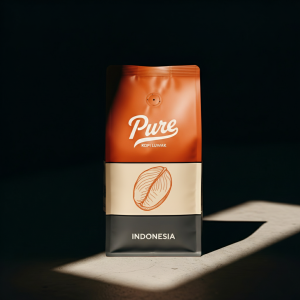
Pure Kopi Luwak
Wild civet coffee from Java. 88.5 SCA cupping score. From $125 for 100g.
Single-estate chocolate ($30–80 for a serious assortment). Makers like Valrhona, Amadei, or Mast Brothers at the serious end of the market produce single-origin bars and collections that genuinely reward attention. A curated collection from Amadei — the Tuscany-based maker whose Chuao bar won a Grand Prix at the International Chocolate Awards in 2012 — might run $60–80. This is excellent value and makes a strong impression on the right recipient. The ceiling on memorability is, however, relatively low: a beautiful box of chocolates is still a beautiful box of chocolates.
Premium olive oil ($50–120 for a collector-grade estate bottle). An estate-bottled, early-harvest Picual from Jaén or a limited-release Koroneiki from a specific Cretan producer can genuinely change how someone thinks about cooking. Specialist importers stock single-estate bottles in the $70–100 range. The problem as a gift: it is invisible until used, and most recipients will store it next to their regular oil and forget what makes it different. High quality; low drama.
Rare salt and spice collections ($40–90). Fleur de sel from the Guérande marshes, black truffle salt, long pepper from Madagascar — these make excellent additions to a gift hamper but rarely carry enough gravity to stand alone at $150.
Where Wild Kopi Luwak Sits
A 100g bag of wild-sourced Javanese kopi luwak from Pure Kopi Luwak runs $125. Against the options above, it has several structural advantages as a gift.
First, it has a story that is impossible to dismiss as mere marketing. Wild Asian palm civets forage selectively through highland Java coffee plantations, choosing only the ripest cherries. The beans pass through their digestive tracts intact, during which proteolytic enzymatic activity partially breaks down proteins that would otherwise contribute to bitterness during roasting. The chemical result — lower concentrations of malic and citric acids, reduced bitterness precursors — has been documented in food chemistry research. The story and the science are the same story, which is rare in premium food.
Second, it is used across 14 to 20 cups (depending on brewing method), giving the recipient an extended experience rather than a single occasion. The Ibérico ham needs to be eaten in one or two sittings. The chocolate box disappears over a week. The kopi luwak lasts long enough to become a genuine discovery rather than a passing treat.
Third, the memorability ceiling is high. Most luxury food gifts — excellent as they are — produce the response: “This is really good.” Wild kopi luwak reliably produces: “I didn’t know coffee could taste like this.” For a gift that is meant to be remembered, that distinction matters considerably.
How to Build a Gift That Uses the Budget Well
At $125 for the kopi luwak, you have room in a $175–200 budget to add a single complementary item. The most thoughtful pairing is a quality ceramic mug from a small pottery studio ($25–40) — something with enough weight to hold heat properly and enough craft to be worth keeping. The pairing communicates that you thought about the experience, not just the item.
Alternatively, a hand grinder in the $40–60 range (the 1Zpresso JX or Timemore C2 at the lower end of precision hand grinding) makes sense for a recipient who does not already own a good grinder. The beans ship whole, and grinding them fresh matters more for kopi luwak’s complex flavor profile than it might for a commodity roast.
The comparison that most luxury food gift buyers seem to reach for is truffle products: a 50g jar of preserved black truffle for $80–120 is the benchmark “serious food gift” that many default to. Truffles are genuinely spectacular, but the use case requires cooking and a specific kind of kitchen confidence. Kopi luwak asks only that the recipient own a kettle and something to brew in — equipment that virtually everyone already has. Lower barrier to a memorable experience.
For more context on where kopi luwak sits in the broader landscape of premium coffees and what else is worth spending serious money on, the full ranking of the world’s most expensive coffees covers the field comprehensively. For those comparing it specifically to other prestigious origins, the kopi luwak vs Jamaican Blue Mountain comparison is worth reading before deciding.
Pure Kopi Luwak
Wild civet coffee from Java. 88.5 SCA cupping score. From $125 for 100g.

Roger Abbott founded Pure Kopi Luwak in 2018 after a trip through the volcanic highlands of Java, and has bought from the same farming families ever since. He only works with collectors of wild civet coffee, never caged. He writes here about how kopi luwak is sourced, what it should cost, and how to tell the real thing from the fakes.