Peaberry coffee beans represent just 3–5% of any coffee harvest. The anomaly occurs when one of two ovules inside a coffee cherry fails to develop, leaving a single rounded seed where two flat beans would normally sit side by side. Farms sort these by hand and sell them at 20–50% premiums over regular lots from the same trees. In Hawaii’s Kona region, peaberry lots reach $40–80+ per pound — among the highest prices in American-grown coffee. Whether the premium reflects genuinely superior flavor or the economics of extreme rarity is a debate that professional cuppings have not definitively settled.
How Peaberry Forms
In typical coffee cherry development, two ovules develop into two seeds positioned flat side against flat side inside the cherry. These normal flat beans represent 95–97% of most harvests. Peaberry formation occurs when one ovule fails to fertilize or develop — the surviving seed then grows unconstrained, becoming rounded and oval rather than flat-sided.
Several factors increase peaberry rates. Some coffee trees carry a genetic predisposition toward the anomaly. Environmental stress during flowering — drought, temperature extremes, nutrient deficiency — disrupts normal ovule development and raises formation rates. Higher altitude growing conditions frequently produce elevated peaberry percentages, possibly due to UV exposure and temperature fluctuations. Older trees also tend toward higher rates as their reproductive efficiency shifts with age. None of these factors are fully predictable or controllable, which is part of what makes genuinely sourced peaberry lots inherently scarce.
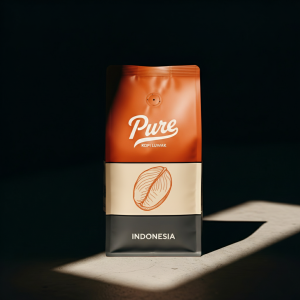
Pure Kopi Luwak
Wild-sourced. Organic. Arabica. From $125.
The physical result is immediately apparent: peaberry beans are rounded and oval, often slightly larger than individual flat beans from the same tree, and denser. That density affects roasting behavior in ways that have real practical implications for any roaster taking the beans seriously.
The Flavor Debate
Proponents of peaberry argue that concentrating all the cherry’s nutrients into a single bean creates superior flavor intensity. Some laboratory analysis supports marginal differences — slightly higher aromatic oil levels and subtle variations in sugar content compared to flat beans from the same trees. Whether those differences translate to perceptible cup quality is where the debate gets complicated.
Professional cupping results comparing peaberry and flat beans from the same farm show inconsistent findings. Some experienced evaluators detect subtle differences; others find none. Gas chromatography shows minor variations in volatile compound profiles, but their sensory significance remains contested. Consumer triangle tests — comparing peaberry, normal, and identical cups — produce preference rates only slightly above chance, suggesting that for most palates, any differences are genuinely subtle. The most honest assessment is that origin, processing, and roasting quality matter far more to the final cup than whether the bean is peaberry or flat.
Notable Origins
Hawaii Kona peaberry occupies the ultra-premium segment of an already expensive category, selling for $40–80+ per pound. With only 3–5% of Kona’s modest harvest qualifying as peaberry, annual production runs in hundreds of pounds rather than tons. The cup profile is genuinely excellent — smooth, rich, and balanced, with the low acidity and chocolate-nutty character that defines good Kona — but the price reflects scarcity and Hawaii’s premium positioning as much as flavor superiority.
Tanzanian peaberry offers a different character at more accessible prices. East African terroir brings wine-like acidity and pronounced fruit notes, often described as more vivid than regular Tanzania lots from the same region. Guatemala Huehuetenango peaberry, grown above 1,500 meters, develops chocolate and spice notes with bright structural acidity. Brazil Santos peaberry is the most approachable of the major origins — mild, nutty, and chocolate-forward, with broad palatability and consistent quality control from Brazil’s advanced processing infrastructure.
Roasting and Brewing Considerations
The spherical shape of peaberry creates genuinely different roasting dynamics. More even heat distribution occurs compared to flat beans, which have an asymmetric surface. Denser beans typically need 30–60 additional seconds to achieve equivalent development. First crack tends to arrive slightly later. Some roasters find batch consistency actually improves with uniformly shaped peaberry — the predictable geometry removes one variable from an otherwise complex process. Dark roasting is generally inadvisable with peaberry: aggressive heat treatment tends to mask the subtle differences that justify the premium.
For brewing, clean extraction methods — pour over, V60, Chemex — are best suited to highlight whatever flavor distinctions the beans carry. The density difference may call for minor grinder adjustments to achieve optimal particle size distribution. Water quality becomes more important when you’re paying premium prices for subtle distinctions; filtered water at 200°F is worth the care. Beyond those specifics, peaberry responds well to the same careful technique you’d apply to any premium single-origin coffee.
Market Economics and Quality Reality
Peaberry commands premiums for a combination of reasons: genuine scarcity (only 3–5% of any harvest), additional processing costs for specialized sorting and quality control, and a compelling origin story that supports premium market positioning. The economics are straightforward — when supply is structurally constrained and demand is sustained, prices stay high. Whether the cup quality justifies a 20–50% premium over regular lots from the same farm is the honest question buyers should ask.
The skeptical case has merit. Some professionals argue that peaberry’s apparent quality advantage comes partly from the additional handling it receives — any lot subjected to that level of sorting and quality control would likely improve. The stress conditions that trigger peaberry formation might actually indicate lower cherry health rather than enhanced development. And market demand partly reflects successful storytelling rather than consistent, blind-taste-verified quality differences.
The supportive case also has merit. Uniform spherical shape genuinely does improve roasting consistency in ways that are mechanically plausible, not just marketing. The concentration theory has logical basis even if its magnitude is debated. And sustained premium pricing in sophisticated markets suggests real perceived value, whatever its ultimate origin.
The Honest Recommendation
Peaberry coffee is most rewarding for enthusiasts genuinely curious about coffee’s natural variation and willing to test their own palate sensitivity. Approach it with realistic expectations — differences are subtle, context-dependent, and sometimes indistinguishable from regular coffee by the same farm. Verify sourcing claims before paying significant premiums; some sellers misrepresent standard beans as peaberry in markets with limited quality controls.
Where peaberry genuinely earns its price is as a premium gift and conversation piece — the origin story is compelling, the visual distinctiveness is real, and the quality floor is high because of the extra handling it receives. For serious coffee collectors, comparing peaberry and flat beans from the same farm is one of the more revealing exercises available for calibrating palate sensitivity.
Understanding what makes peaberry distinct also deepens appreciation for coffee quality broadly. The same questions about rarity, processing integrity, and verifiable quality differences apply across all premium coffee categories — from kopi luwak grading to record auction lots. What you bring to the cup in terms of equipment, water, and technique will shape the result more than whether the bean happens to be round. That’s true of peaberry. It’s true of wild-sourced kopi luwak. It’s true of all coffee worth paying attention to.
Pure Kopi Luwak
Wild-sourced. Organic. Arabica. From $125.

Roger Abbott is the founder of Pure Kopi Luwak. He has spent over a decade sourcing wild kopi luwak directly from farmers and collectors in the highlands of Java, Indonesia — working exclusively with wild civets, never caged. He writes about specialty coffee, Indonesian origins, and the science behind what makes kopi luwak taste the way it does.
