The Specialty Coffee Association’s professional cupping protocol specifies a coffee-to-water ratio of 8.25 grams per 150 milliliters, a water temperature of 92 to 94°C (198 to 201°F), and a four-minute steep before crust-breaking. The professional cupper evaluates ten attributes — fragrance, aroma, flavor, aftertaste, acidity, body, balance, uniformity, cleanliness, sweetness — each scored on a 10-point scale, with results contributing to a final quality score that determines how a lot sells and at what price.
You don’t need to follow the SCA protocol to host a memorable coffee tasting at home. What you need is something the protocol doesn’t require but that transforms a comparative tasting into an event: a centerpiece coffee that cannot be obtained anywhere in your neighborhood, that generates the kind of conversation that starts when someone asks “wait, where does this actually come from?” Wild kopi luwak from Java is that coffee.
The Logic of Building Around a Centerpiece
A home coffee tasting works best with structure, and the most effective structure is a progression from familiar to unfamiliar. Start with something excellent but recognizable — a well-sourced Ethiopian Yirgacheffe for its distinct florals and bright citrus character, or a Guatemalan Huehuetenango for its clean caramel sweetness. Establish a reference point for your guests. Let them find their footing and develop some vocabulary.
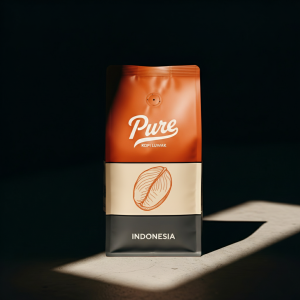
Pure Kopi Luwak
Wild civet coffee from Java. 88.5 SCA cupping score. From $125 for 100g.
Then move to the centerpiece.
Wild kopi luwak from Java occupies a category of its own because the processing method — enzymatic modification during civet digestion — produces characteristics that no other coffee achieves. The reduction in bitterness-precursor proteins produces a cup that is fundamentally smoother than anything preceding it in a tasting lineup. When that shift happens mid-session, the contrast is impossible to miss. It doesn’t taste like the best version of what came before. It tastes like something else entirely — which is exactly the moment you want to create.
What You’ll Need
The equipment list for a serious home tasting is short. A burr grinder, set to medium-coarse for pour-over or medium for immersion. A consistent brewer — a Hario V60 or Chemex for a clean, transparent extraction; a cafetière for more body and mouthfeel. A temperature-controlled kettle targeting 93°C (200°F). Multiple cups per station, labeled by coffee. A water pitcher for palate-clearing between samples. A printed or handwritten tasting notes card for each guest.
For three to four coffees across a group of six to eight people, budget roughly 25 grams per coffee per person — 150 to 200 grams of each coffee for a full tasting. For the wild kopi luwak portion of the evening, 50 grams makes approximately six concentrated tasting pours. A 100-gram bag of Pure Kopi Luwak covers the centerpiece with enough left over for a second round for whoever wants it most.
The Sequence That Works
Two or three familiar coffees before the centerpiece, one optional coffee after to close. Between each sample: neutral water, a pause, and two to three minutes for discussion. Don’t rush the gaps — the conversation between coffees is where the learning actually happens.
The discussion format matters. The best coffee tastings are structured conversations where everyone is allowed to be wrong and encouraged to be specific. Not “I like this” but “this reminds me of dried apricot” or “there’s something almost savory in the aftertaste.” Once someone names a tasting note, they can’t un-know it. The sensory vocabulary becomes permanent — which means they’ll be better at appreciating every coffee they drink for the rest of their life. That’s a generous thing to give your guests.
When the kopi luwak round arrives, give it context before the pour. What wild production means: 500 to 700 kilograms per year globally, compared to the thousands of tonnes sold under that name. Why the processing matters: enzymatic modification during a 12-to-24-hour civet digestive transit, reducing bitterness precursors before roasting begins. What to look for in the cup: smoothness first, then the absence of the bitterness they’ve been tasting in everything prior, then the fuller body and the lingering sweetness in the aftertaste. See our kopi luwak brewing guide for the exact extraction parameters that bring out its best qualities.
What Makes the Difference Between a Tasting and an Evening
A wine tasting at someone’s home becomes an evening when the conversation it generates outlasts the bottles. The same principle applies here. The best hosting outcome isn’t universal agreement on which coffee was best — people’s palates genuinely differ, and that’s the interesting part. The best outcome is that everyone leaves with a specific question they didn’t have when they arrived. Something they want to look up, something they want to taste again, something they want to describe to someone who wasn’t there.
Wild kopi luwak consistently generates that response. Not entirely because of the famous story — though the story of wild civets selecting peak-ripe cherries in the dark on Javanese hillsides is genuinely interesting — but because the cup is unlike anything most guests have encountered. The conversation it starts can carry an evening on its own.
Coffee that makes people want to keep talking about it is worth building an event around. Total production of authentic wild kopi luwak: under 700 kilograms per year, globally. Total number of people who will have it at your table: whatever you serve. Those numbers are worth something.
Pure Kopi Luwak
Wild civet coffee from Java. 88.5 SCA cupping score. From $125 for 100g.

Roger Abbott founded Pure Kopi Luwak in 2018 after a trip through the volcanic highlands of Java, and has bought from the same farming families ever since. He only works with collectors of wild civet coffee, never caged. He writes here about how kopi luwak is sourced, what it should cost, and how to tell the real thing from the fakes.