A 2024 Pew Research Center survey found that roughly 22 million Americans worked fully remotely, with another 35 million working hybrid schedules that put them at home for at least part of the week. For most of them, the home coffee setup is no longer an afterthought — it’s the first daily decision that sets the tone for the workday. The equipment race happened during 2020 and 2021, when everyone panic-bought an Aeropress or a nice kettle. By 2026, the average serious remote worker already owns a decent grinder, a quality brewer, and a thermometer.
What they’re still buying at the grocery store is the coffee. That’s the gap.
The Remote Worker Coffee Paradox
There’s a particular kind of person who will spend $180 on a Baratza Encore grinder, $60 on a Hario V60 setup, and $25 on a precision digital scale — and then run the whole system on a $14 bag of beans from the supermarket shelf. It’s more common than you’d expect, and it happens for a simple reason: upgrading equipment feels like a justified investment, while spending $50 or more on a bag of coffee feels extravagant. The equipment is permanent; the coffee is consumable. The psychology pulls in different directions.
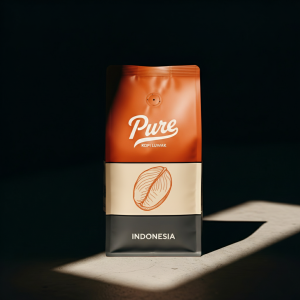
Pure Kopi Luwak
Wild civet coffee from Java. 88.5 SCA cupping score. From $125 for 100g.
This is why a premium coffee gift lands differently for a remote worker than any other gift in the coffee category. They have the means to appreciate it. They have the equipment to brew it properly. They’ve just never given themselves permission to buy something at this level for a Tuesday morning.
What “Premium Coffee” Actually Means for This Gift
There’s a spectrum. At the accessible end, a bag from a respected specialty roaster — Counter Culture, Onyx, Intelligentsia — runs $20 to $35 and will genuinely impress a discerning coffee drinker. That’s a good gift. But it’s also a gift the recipient could easily buy for themselves if they wanted to, and many of them have. It doesn’t create the same opening.
Wild kopi luwak occupies a different register entirely. It’s not a slightly better version of what they already know — it’s a category they’ve probably heard of, possibly assumed was a gimmick, and almost certainly never tried. A 100g bag of Pure Kopi Luwak, sourced from wild civets on Javanese farms, costs $125. That’s a price point that communicates: this is not a coffee gift. This is a coffee experience.
The practical details compound the appeal. Wild kopi luwak produces a cup with dramatically reduced bitterness and a full, smooth body — the result of enzymatic transformations in the civet’s digestive tract that partially break down bitterness precursors and modify the bean’s acid content. For a remote worker who starts their day with a carefully brewed cup and actually pays attention to what’s in it, this is a fundamentally different sensory experience from anything they’re currently drinking. They’ll notice.
The Ritual Argument
Remote work flattens the structure of a day in ways that take time to recognize. Without a commute, without the visual separation of leaving one place and arriving at another, the beginning of the workday needs a different kind of anchor. For a lot of remote workers, that anchor is the morning coffee ritual: the grind, the bloom, the pour, the first cup made deliberately before the first Slack notification.
A bag of wild kopi luwak changes what that ritual means for the weeks it lasts. It becomes a reason to be more intentional about that morning window. The coffee costs too much to brew on autopilot — you pay attention to the grind size, the water temperature, the timing. And paying attention to a small thing in the morning is, by mild extension, practice for paying attention to larger things during the day. This is not a mystical claim. It’s just what happens when something valuable occupies your hands while your mind is waking up.
For Employee Appreciation and Manager Gifts
The remote coffee gift works in both personal and professional contexts. For a manager looking to recognize a high-performing remote employee with something more thoughtful than an Amazon gift card, a bag of wild kopi luwak communicates individual attention without requiring HR approval levels of documentation. It’s an object with a story. It suggests the giver considered what the recipient actually does with their mornings, not just what category of human they belong to.
Corporate buyers purchasing for a team should note that the gift scales across different sizes — a 100g bag at $125 is appropriate for individual recognition; larger sizes work for teams. For a team of four to six people, the total cost sits well within typical employee appreciation budgets, and the gift is significantly more memorable than another branded tumbler or a gift card to somewhere generic.
The Conversation the Gift Starts
Remote workers rarely get to share a meal or a drink with their colleagues in the ordinary run of things. The coffee gift creates a shared reference point across the distance. The recipient brews a cup, takes a photo, sends it in the team chat, and suddenly there’s a real conversation happening — about coffee, about where this thing comes from, about the civet in the Javanese highlands who started the whole chain. That conversation, brief as it is, is the kind of human moment that remote work makes genuinely difficult to manufacture. The coffee did it without a team-building activity budget.
For context on what makes this coffee worth talking about in the first place, the post on what makes kopi luwak genuinely good covers the sourcing and flavor details that give the gift its story.
Pure Kopi Luwak
Wild civet coffee from Java. 88.5 SCA cupping score. From $125 for 100g.

Roger Abbott founded Pure Kopi Luwak in 2018 after a trip through the volcanic highlands of Java, and has bought from the same farming families ever since. He only works with collectors of wild civet coffee, never caged. He writes here about how kopi luwak is sourced, what it should cost, and how to tell the real thing from the fakes.