The office Secret Santa exchange operates on a beautiful fiction: that there exists, within a $30 to $75 budget, a gift that is simultaneously suitable for everyone and memorable to anyone. There isn’t. Most Secret Santa gifts accomplish nothing beyond completing the social ritual — a candle that smells of “winter,” a novelty mug, a box of mixed nuts from a display near the pharmacy checkout. The recipient says “oh, I love it” and leaves it in the office kitchen by February.
The problem isn’t the budget. It’s the assumption that a gift chosen for its inoffensiveness can also feel considered. Those two goals are incompatible. If you want something that the person actually thinks about after the party, you have to make a choice that reflects some awareness of what they might actually enjoy — and then trust that choice enough to spend what it costs.
Why Coffee Is the Rare Gift That Works for Almost Everybody
Approximately 73 percent of American adults drink coffee on a daily basis. That number climbs higher in professional environments — office workers who need something that functions during the 9 AM meetings and the 3 PM slumps. Coffee is also one of the few consumable gifts with no size, no lifestyle fit, no dietary restriction issue for the vast majority of recipients. It doesn’t expire in a closet. It doesn’t create an obligation to display it somewhere. It gets used, usually within a week, and the experience of using it is exactly as good as the quality of the beans.
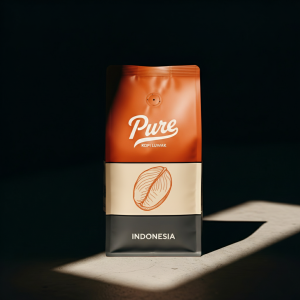
Pure Kopi Luwak
Wild civet coffee from Java. 88.5 SCA cupping score. From $125 for 100g.
The category has a ceiling problem, though. A bag of good specialty coffee retails for $20 to $40 — which is a thoughtful gift but not a remarkable one. Nobody retells the story of the single-origin Ethiopian that appeared in their Secret Santa exchange. The experience is pleasant and forgettable.
Wild kopi luwak changes that calculation entirely.
What Makes Kopi Luwak the Gift People Talk About
A 100-gram bag of genuine wild-sourced kopi luwak from Java — at $125, it sits above the standard Secret Santa budget — is the kind of gift that stops a room. Not because it’s expensive, but because of what it is: coffee harvested from the forest floor beneath wild Asian palm civet routes, where the animals have foraged through Javanese coffee forests selecting only peak-ripe cherries. The civet’s digestive process modifies the beans at a chemical level, reducing bitterness precursors and producing a cup that specialty coffee professionals have called the “Holy Grail of coffees” (Nature Biotechnology, 2015). Wild-collected kopi luwak retails at up to $1,300 per kilogram globally — a price point that communicates something specific about rarity without anyone having to explain it.
The story is part of the gift. When someone opens a bag of Pure Kopi Luwak at a holiday exchange, the first question from anyone nearby is invariably “wait, is that the civet coffee?” — and that conversation is the gift working exactly as intended. The recipient goes home knowing that whoever drew their name actually put thought into this, made a real decision, and chose something genuinely rare.
Try the coffee this article is about
Wild-sourced from Java, 88.5 SCA cupping score, free US shipping. From $125 for 100g.
Shop Pure Kopi Luwak →The Budget Question, Handled Honestly
Yes, $125 is above the typical Secret Santa cap. There are a few honest responses to this.
First: most Secret Santa caps are aspirational rather than enforced. The stated limit is $50, but the actual range is $25 to $85, and nobody calculates receipts. Second: the per-cup math at $125 for 100 grams works out to approximately $12 per cup — comparable to a specialty café serving, less than a craft cocktail, and significantly below what the same quality of wild kopi luwak costs by the cup in hotel restaurants or specialty coffee shops in London or Tokyo, where $25 to $35 per cup is not unusual.
Third, and most importantly: if the point of a gift exchange is to give someone something they wouldn’t buy for themselves, kopi luwak fulfills that brief precisely. Very few people allocate $125 of their own grocery budget to a 100-gram bag of coffee, even if they would enjoy it enormously. That’s the category of gift worth giving.
The Logistics Are Simpler Than You Think
Kopi luwak ships in sealed packaging that maintains freshness for months. There’s no refrigeration requirement, no fragility, no complicated storage instruction. The recipient takes it home, brews it at their convenience, and gets the full experience on their own timeline. For a Secret Santa context — where gifts are often grabbed and carried to parking lots and subway platforms — this matters. It’s self-contained, complete, and doesn’t require anything else to work.
A short note explaining what it is adds value without turning the gift into a lecture. Something like: “Wild Javanese kopi luwak. Selected by civets in Indonesian coffee forests. One of the rarest coffees in the world. Brew it however you normally make coffee — it’s smooth enough that it doesn’t need milk or sugar.” That’s the whole instruction set. The experience takes care of itself.
When the Group Exchange Has a Higher Budget
For corporate Secret Santa exchanges with a $150 to $200 budget — increasingly common for senior team gifts or executive exchanges — the 250-gram option at $188 positions well as a joint experience. A bag that size makes approximately 25 to 30 cups, which is enough for a team to share a tasting session if the recipient chooses, or a month of exceptional mornings if they keep it for themselves. Either way, it’s a different class of gift from anything else that shows up in the $150 to $200 corporate gifting bracket.
The alternative in that budget — a decent bottle of whiskey, a department store gift set, another company experience voucher — has a reasonably short shelf life in the recipient’s memory. Wild kopi luwak doesn’t. Most people who receive it remember exactly where it came from, and the Secret Santa who gave it earns a kind of long-term reputational credit that no generic gift can generate.
Pure Kopi Luwak
Wild civet coffee from Java. 88.5 SCA cupping score. From $125 for 100g.
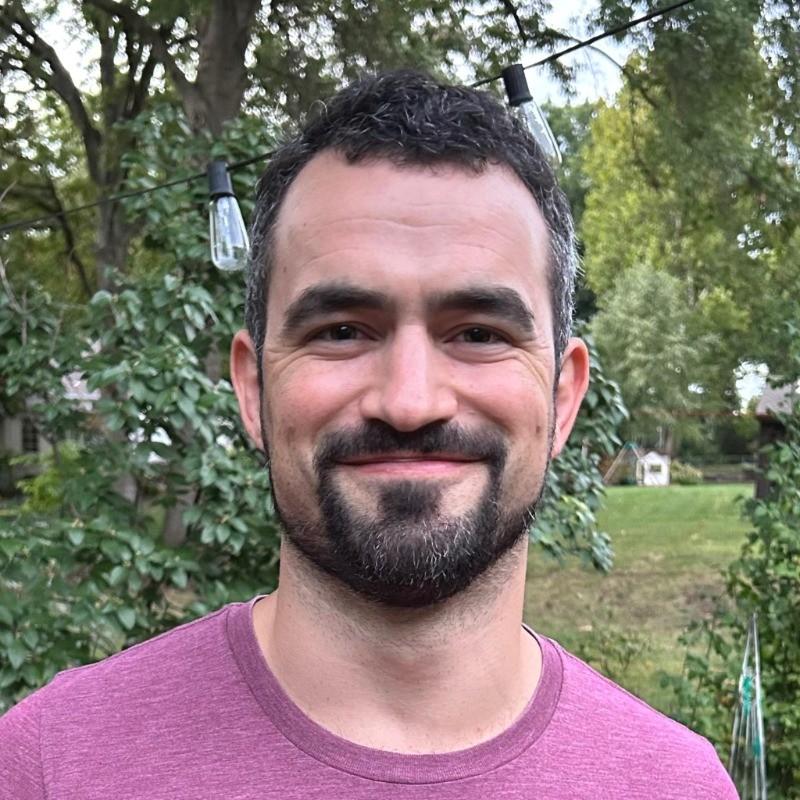
Roger Abbott founded Pure Kopi Luwak in 2018 after a trip through the volcanic highlands of Java, and has bought from the same farming families ever since. He only works with collectors of wild civet coffee, never caged. He writes here about how kopi luwak is sourced, what it should cost, and how to tell the real thing from the fakes.