One hundred grams of wild kopi luwak produces roughly 10 to 12 cups of coffee, depending on your brew method and how precise you are with the grind. At $125 for the bag, that’s $10 to $12.50 per cup. This is not the kind of math that makes kopi luwak feel like a bargain. What it does is put the cost in a frame that most people don’t think to apply to food purchases: the experience-to-dollar ratio across time.
We spend $80 on a dinner that’s over in two hours. We pay $120 for a concert ticket for 90 minutes of experience. We buy a $45 bottle of wine for a dinner party, where it gets poured among three other bottles and nobody fully focuses on what they’re drinking. None of these expenditures attract serious scrutiny. But they should — because on a per-experience basis, a cup of genuinely exceptional wild kopi luwak competes favorably with most of them. The difference is that we’ve been culturally trained to spend on experiences and resist spending on the things that create them at home.
The Self-Gift That Distributes Across Time
The “treat yourself” category is dominated by single-occasion experiences: a spa day, a tasting menu, an afternoon at a hotel bar working through the whiskey selection. These are good things. They’re also finished quickly, which means the value is front-loaded. Wild kopi luwak is unusual as a self-gift because it spreads across time. A 100g bag doesn’t give you one exceptional Saturday morning — it gives you 10 separate occasions when you decide this particular cup deserves more attention than you normally give coffee.
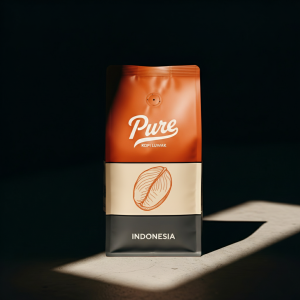
Pure Kopi Luwak
Wild civet coffee from Java. 88.5 SCA cupping score. From $125 for 100g.
That temporal spread changes the economics in an interesting way. A $200 spa afternoon is $200 for one afternoon. A $125 bag of the world’s rarest coffee is $125 for 10 mornings across however many weeks you choose to space them. The per-experience cost is lower. But more usefully, the distribution means you get to have the experience on your own schedule, in your own space, with the full attention of someone who chose to make that cup and knows what they’re tasting.
Try the coffee this article is about
Wild-sourced from Java, 88.5 SCA cupping score, free US shipping. From $125 for 100g.
Shop Pure Kopi Luwak →What the Science Actually Explains
The mechanism behind wild kopi luwak’s distinctiveness is specific enough to be worth understanding before you pour. The Asian palm civet selects coffee cherries at peak ripeness, consuming only the fruit that passes its sensory evaluation — a standard of selection that human harvesting at scale doesn’t reliably replicate. During the 12 to 24 hours the beans spend in the animal’s digestive tract, proteolytic enzymes partially hydrolyze proteins in the bean’s outer layers. These proteins are the precursors to coffee’s characteristic bitterness during roasting. Their modification means the finished cup is structurally less bitter than even excellent conventionally processed Arabica.
This isn’t something you have to take on faith. It shows up in the cup in a way that’s immediately distinct from other premium coffees: a smoothness that feels different from low-acid coffees that achieve their mildness by reducing roast or manipulating processing. The bitterness isn’t suppressed — it’s transformed. The body is fuller. The finish is longer than most Arabica delivers.
For a version of that experience, the 100g bag of Pure Kopi Luwak is wild-sourced from free-ranging civets in Java — not the cage-farmed imitation sold in tourist shops and under generic “kopi luwak” labels that make up most of the commercial supply.
The Permission Problem
Most people don’t buy themselves exceptional things in the food and drink category. Not because they can’t, but because there’s an unspoken social logic that premium consumables are for gifts and special occasions — not for an ordinary Thursday morning when you want your coffee to be excellent. We wait for someone else to give us the good bottle. We save the nice tea for when guests come. We keep the imported chocolate for when it’s actually called for.
This is a strange inversion of logic. You are almost certainly the person in your household most likely to appreciate what you’re about to make. You’re the one who’ll brew it correctly, pay attention to the cup, and get full value from the experience. Reserving exceptional things for other people means the person who understands them least gets the most access to them.
Spending $125 on a bag of coffee for yourself is not an extravagance in the self-indulgent sense. It’s a decision to have an experience you’d recommend to anyone who asked, but that you’ve been deferring on your own behalf for no good reason. That’s a reasonable thing to notice and reverse.
When the Moment Is Right
The self-gift impulse tends to arrive at recognizable moments: after finishing something genuinely difficult, at the start of a new year, when a season shifts and you want something in your morning routine to shift with it. These are all legitimate occasions. But the correct moment to buy something exceptional for yourself is ultimately whenever the question “why not?” doesn’t produce a satisfying answer.
If you’re the kind of person who thinks about coffee — who adjusts grind size, who has an opinion about brew ratios, who notices when a cup is something other than ordinary — you will have thoughts about wild kopi luwak that persist beyond the cup itself. You’ll think about the mechanism. You’ll think about what you’re tasting and why it’s different. You’ll probably brew a second cup sooner than you would with other coffee. That quality of engagement — where you don’t just consume something but think about it — is worth more than its price tag suggests, and it doesn’t happen by accident.
For more on what to expect and how to brew it, see our complete tasting guide and our home brewing guide.
Pure Kopi Luwak
Wild civet coffee from Java. 88.5 SCA cupping score. From $125 for 100g.
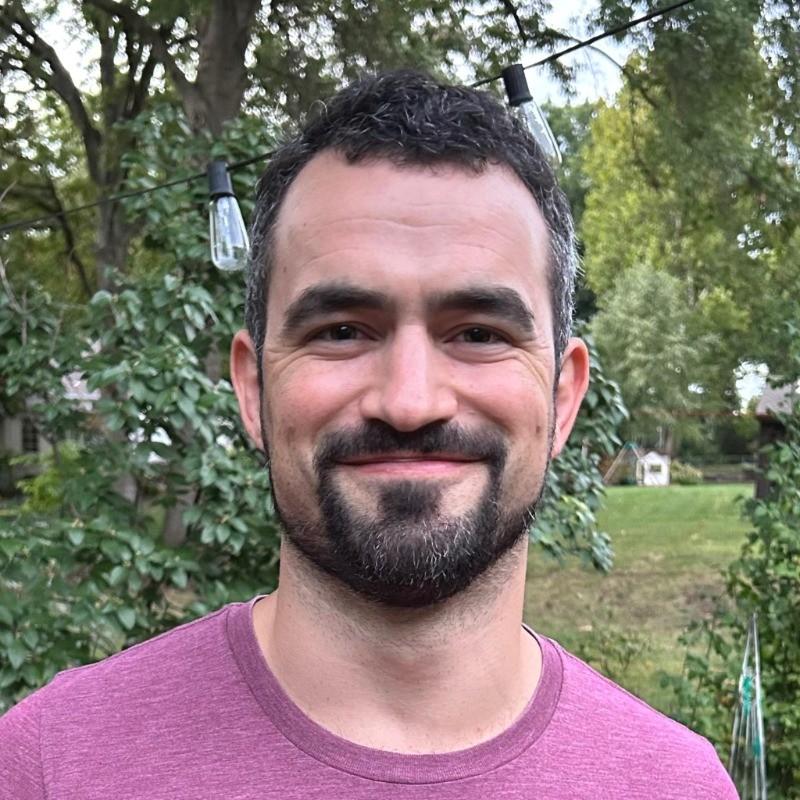
Roger Abbott founded Pure Kopi Luwak in 2018 after a trip through the volcanic highlands of Java, and has bought from the same farming families ever since. He only works with collectors of wild civet coffee, never caged. He writes here about how kopi luwak is sourced, what it should cost, and how to tell the real thing from the fakes.