In standard coffee processing, beans dry to 11–12% moisture before the parchment layer is removed. In Indonesia’s giling basah method, that parchment comes off at 30–35% moisture — while the beans are still wet and swollen — a difference that fundamentally alters the chemistry of the finished cup. The technique developed out of practical necessity in Indonesia’s humid climate, where traditional slow-drying proved too unreliable. What farmers discovered by accident became one of the most distinctive processing signatures in the coffee world.
Understanding giling basah processing enhances appreciation for Indonesian coffee regions and explains why coffees from Sumatra, Java, and Sulawesi possess their unique character profiles.
What is Giling Basah Processing?
Giling basah, literally meaning “wet grinding” in Indonesian, involves hulling coffee beans while they retain high moisture content (30-35%), unlike standard processing where beans dry to 11-12% moisture before hulling.

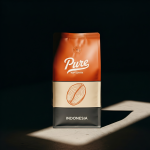
Pure Kopi Luwak
Wild civet coffee from Java. 88.5 SCA cupping score. From $125 for 100g.
This technique emerged from practical necessity – Indonesia’s high humidity and frequent rainfall made traditional drying methods unreliable, leading farmers to develop this innovative approach.
The Giling Basah Process Step-by-Step
- Ripe coffee cherries are picked at peak maturity
- The outer fruit is removed, leaving the beans enclosed in parchment with mucilage still attached
- A brief fermentation period of 12–24 hours breaks down remaining mucilage
- The parchment-covered beans are washed to remove residue
- Beans are partially dried to 30–35% moisture — not fully dry
- While still moist, the parchment is removed via wet hulling
- The hulled beans are dried down to storage moisture levels
How Giling Basah Creates Unique Flavors
The wet hulling process dramatically alters coffee’s flavor development:
Removing the parchment from moist beans creates micro-cracks that influence how the bean dries and how flavors develop from that point. The residual moisture allows fermentation to continue during the final drying phase, which is the primary driver of giling basah’s characteristic earthy complexity. At the structural level, the altered protein environment changes mouthfeel and reduces acidity in ways that washed processing cannot replicate. The extended processing also generates unique Maillard precursor compounds that produce the method’s signature flavors when the beans are eventually roasted.
Characteristic Flavor Profile
Giling basah processing creates distinctive taste characteristics:
The resulting cup is notably low in acidity — smooth and mellow compared to washed coffees. Body is rich and substantial. The flavor runs through distinctive mineral and earth tones, layered with spice and herb complexity, cedar and tobacco undertones, and dark chocolate and cocoa elements that emerge particularly clearly when the beans are medium-roasted.
Regional Variations in Giling Basah
Different Indonesian regions apply giling basah with local variations:
Sumatran Giling Basah
Sumatran giling basah produces the most pronounced earthy flavors of any Indonesian region — full body, intense herbal complexity. The main regions are Mandheling, Lintong, and Aceh, and processing often includes additional fermentation steps.
Sulawesi Giling Basah
Sulawesi’s version produces balanced earthiness with more brightness than Sumatran expressions. The primary regions are Toraja and Kalosi, and shorter fermentation times result in cleaner final flavors.
Javanese Adaptations
Java’s approach to giling basah produces milder earthiness and more prominent chocolate notes. The technique is centered in East Java estates and is often combined with traditional wet processing methods.
Equipment and Infrastructure
Giling basah requires specific equipment and timing:
Giling basah requires specialized hulling machines built to handle high-moisture beans without excessive damage. Precise moisture monitoring determines the correct moment for hulling. Covered drying facilities allow for controlled final drying away from unpredictable weather. Sorting systems at the end of the process identify and remove any damaged or defective beans before the lot is finalized.
Try the coffee this article is about
Wild-sourced from Java, 88.5 SCA cupping score, free US shipping. From $125 for 100g.
Shop Pure Kopi Luwak →Challenges in Giling Basah Processing
This processing method presents unique challenges:
The method presents real challenges. Hulling at the exact right moisture content requires skill and experience that can take years to develop. Hulling too early or with poorly calibrated equipment can crack or damage beans. Weather variations introduce unpredictability into drying and processing timing. More processing variables naturally create more opportunities for inconsistency in the cup. And high-moisture beans put more stress on hulling machinery, requiring specialized maintenance protocols.
Giling Basah vs. Traditional Processing
Comparing giling basah to standard processing methods:
Washed processing produces higher acidity and cleaner flavors, drying beans inside the parchment using the standard global method. Natural processing dries beans whole inside the cherry, producing the fruity, sweet characteristics associated with traditional Ethiopian coffees. Giling basah sits in its own category: earthy and full-bodied, hulled while still moist, a uniquely Indonesian innovation that cannot be replicated by either of the other approaches.
Brewing Giling Basah Coffees
Indonesian wet-hulled coffees respond well to specific brewing approaches:
French press is a natural match — full immersion highlights the body and earthiness that define these coffees. Careful pour-over technique can balance earthiness with clarity, though it requires more attention to draw out brightness without losing the depth. Espresso produces rich, syrupy shots with prominent chocolate notes. Cold brew is an excellent application: the already-low acidity and substantial body translate exceptionally well to cold extraction.
Quality Considerations
Evaluating giling basah coffee quality requires understanding the process:
High-quality giling basah shows clean, pleasant mineral and soil notes — earthiness that feels intentional rather than like a flaw. Body should be full without becoming muddy. The finish should be long without carrying off-flavors. Processing defects in lower-quality lots manifest as mold, mustiness, or excessive fermentation character; these are the markers of improper moisture management or sanitation failures in the process.
Giling Basah in Specialty Coffee
The specialty coffee industry has embraced high-quality giling basah coffees:
Premium single-origin Indonesian coffees processed via giling basah increasingly appear in specialty roasters’ lineups, showcasing regional characteristics that cannot be replicated by other methods. Giling basah coffees are also prized in espresso blending for the body and structural complexity they contribute. Professional cupping evaluation for these coffees requires calibration specifically for earthiness and body assessment, which differ from the evaluation priorities for washed or natural coffees.
Sustainability and Economics
Giling basah processing impacts Indonesian coffee economics:
Economically, giling basah benefits farmers through faster processing cycles that shorten the time to payment. The method is well-suited to tropical conditions, representing genuine climate adaptation rather than an imported technique. On the other hand, it requires investment in specialized hulling equipment that smallholders may not be able to access independently. High-quality giling basah coffees command specialty pricing that can justify that infrastructure investment over time.
The Future of Giling Basah
Innovation continues in Indonesian processing:
Innovation in giling basah is ongoing: better equipment and refined techniques are improving quality floors, while technology is enabling more consistent moisture monitoring and process control. Hybrid methods that combine giling basah with other techniques are being explored for producing distinctive flavor profiles. And premium processing applications for high-value specialty lots are creating new market opportunities for producers willing to invest in quality.
Conclusion: Indonesia’s Processing Innovation
Giling basah processing represents Indonesia’s unique contribution to coffee processing methodology. This innovative technique, born from practical necessity, creates distinctive flavors that define Indonesian coffee character.
Understanding giling basah enhances appreciation for the complex factors that influence coffee flavor, from climate and geography to processing innovation. Whether enjoying premium Java coffee or exploring different Indonesian origins, recognizing this processing method’s influence deepens coffee understanding and appreciation.
Pure Kopi Luwak
Wild civet coffee from Java. 88.5 SCA cupping score. From $125 for 100g.

Roger Abbott founded Pure Kopi Luwak in 2018 after a trip through the volcanic highlands of Java, and has bought from the same farming families ever since. He only works with collectors of wild civet coffee, never caged. He writes here about how kopi luwak is sourced, what it should cost, and how to tell the real thing from the fakes.