Before a bag of wild kopi luwak reaches your hands, it has already passed through more human labor per gram than almost any other food product you can name. The collection itself — scouts following civet routes through Javanese coffee farms at dawn, crouching to collect deposits from the forest floor — is only the beginning. What happens between that collection and the sealed bag in your pantry involves a sequence of careful, labor-intensive steps that accounts for much of why authentic wild kopi luwak costs what it does, and explains why the quality varies so dramatically between producers who take this process seriously and those who don’t.
Understanding the post-collection process also answers a question that skeptics raise regularly: does the civet’s digestive work actually survive into the finished cup? The answer is yes — but only if every subsequent step is handled correctly.
Collection and Initial Sorting
Wild civets deposit their droppings across the territory they patrol, and on Javanese coffee farms that territory overlaps with the planted Arabica trees. Collection workers, who know the routes by observation over multiple harvest seasons, move through the farm before sunrise when deposits are freshest. The material collected — a mixture of passed beans, partially digested cherry pulp, and environmental debris — is gathered in cloth bags and brought back to the processing station within a few hours of collection.
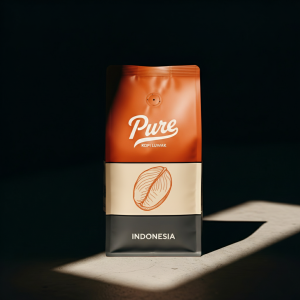
Pure Kopi Luwak
Wild civet coffee from Java. 88.5 SCA cupping score. From $125 for 100g.
The first sorting happens while the material is still fresh. Workers remove debris, inspect for beans showing signs of having been too long on the ground (discoloration, mold growth, insect damage), and separate beans by visible condition. This initial sort requires experienced judgment — the difference between a bean that will produce a clean cup and one that will introduce off-flavors is often visible only to someone who has handled wild kopi luwak across multiple harvests. At Gayo Kopi in Sumatra, which publicly documents their process, each batch undergoes four separate sorting passes before leaving the collection area.
Washing
After sorting, the beans are washed to remove surface contamination from the digestive material, residual mucilage, and any pathogens introduced during collection and handling. This is done in clean water — ideally running water or frequently changed still water — in multiple passes until the wash water runs clear. Beans that float or behave abnormally during washing are removed. What remains is the green coffee bean still encased in its parchment layer, clean and ready for drying.
The washing step is where lower-quality producers routinely cut corners. Inadequate washing leaves residual compounds on the bean surface that affect flavor and can introduce musty or fermented off-notes in the final cup. This is one of the most common complaints about cheap kopi luwak — a vaguely unclean or barnyard quality that shouldn’t be present in a properly washed lot and is sometimes mistaken for the “authentic” character of the product. It isn’t. It’s evidence of a rushed process.
Try the coffee this article is about
Wild-sourced from Java, 88.5 SCA cupping score, free US shipping. From $125 for 100g.
Shop Pure Kopi Luwak →Sun Drying: The Slowest and Most Critical Step
After washing, the beans are spread on raised drying beds or clean tarps in direct sunlight. The target moisture content for storage is typically 11 to 12 percent — low enough to prevent mold during transport and storage, high enough to preserve the cellular structure of the bean. Getting there takes time: sun drying for kopi luwak typically runs between one and three weeks depending on weather conditions, ambient temperature, and the depth of the drying layer.
The pace of drying is not incidental. Slow, even drying at natural temperature allows the enzymatic activity that began in the civet’s digestive tract to continue modifying the bean’s protein structure and flavor precursors. Workers on careful farms turn the drying beans every two to three hours throughout the drying day, preventing moisture pockets from forming in the lower layers of the bed. A bean that dries unevenly — developing a dry crust while the interior remains moist — will case-harden, trapping water that later contributes to fermentation defects or uneven roasting behavior. The drying step is one of the most significant quality differentiators between producers and one of the least visible to buyers.
Hulling, Grading, and Final Selection
Once the beans reach target moisture, the remaining parchment layer is removed by hulling — either with a calibrated mechanical huller for larger batches, or by hand for small specialty lots. The hulled green beans are then graded: sorted by size, density, and defect classification. Specialty producers typically use multiple grading passes, often three or four, before a lot is accepted for roasting or export. Some producers supplying the Japanese specialty market use both optical sorting machines and hand-sorting on the final green coffee to catch defects the machines miss.
For a product that sells at $1.25 or more per gram in green coffee form, this investment in sorting labor is economically rational. For the buyer, it’s the physical evidence that the price is grounded in genuine work rather than narrative. A single defective bean in a small bag of premium coffee can introduce off-flavors that contaminate an otherwise exceptional lot.
Roasting: The Final Decision
Most authentic wild kopi luwak is roasted to medium — specifically because the enzymatic modifications that make kopi luwak distinctive are expressed clearly at that roast level and begin to be obscured past it. A well-roasted wild kopi luwak from Java’s Arabica-growing highlands should show chocolate and caramel sweetness, a full body with notably low bitterness, and a finish that’s clean and long without the harsh aftertaste common in over-extracted or dark-roasted coffees.
The full sequence from forest floor to roasted bean — collection, sorting, washing, drying, hulling, grading, roasting — typically takes several weeks when done correctly. Each step involves skilled human labor that cannot be mechanized without quality loss. This is why genuine wild kopi luwak can’t be produced at lower price points without compromising something essential in the chain. The cost reflects the work. The taste reflects whether that work was done well.
For context on what to look for when evaluating a producer’s sourcing claims, the authentication checklist covers the specific questions to ask. And for the complete picture on how civet biology shapes what happens before any of this processing begins, the civet cherry selection post covers the upstream quality factors.
Pure Kopi Luwak
Wild civet coffee from Java. 88.5 SCA cupping score. From $125 for 100g.

Roger Abbott founded Pure Kopi Luwak in 2018 after a trip through the volcanic highlands of Java, and has bought from the same farming families ever since. He only works with collectors of wild civet coffee, never caged. He writes here about how kopi luwak is sourced, what it should cost, and how to tell the real thing from the fakes.