Nitrogen dissolved in cold brew coffee at 30–40 PSI forms bubbles approximately 100 times smaller than CO2. When nitrogen cold brew coffee is dispensed through a restrictor plate faucet, the rapid pressure drop causes that dissolved gas to form millions of tiny bubbles simultaneously — creating the smooth, creamy texture that distinguishes nitro cold brew from every other cold coffee preparation, and the dramatic visual cascade as bubbles rise through the liquid. The physics follows Henry’s Law: gas solubility drops sharply as pressure decreases, and the transition from sealed keg to open glass triggers simultaneous release throughout the liquid.
The science behind nitro coffee — infusing cold brew with nitrogen gas under pressure — creates unique textural and flavor characteristics that distinguish it from all other coffee preparations. Understanding how nitrogen interaction transforms cold brew reveals why this preparation method has become a cornerstone of modern coffee culture.
The Science of Nitrogen Infusion
Gas Solubility and Pressure Dynamics
Nitrogen’s behavior in cold brew coffee follows principles of gas solubility that create its distinctive characteristics:
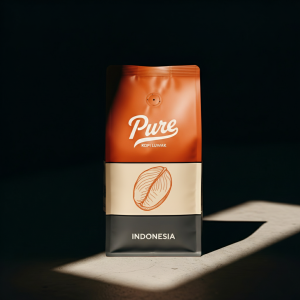
Pure Kopi Luwak
Wild civet coffee from Java. 88.5 SCA cupping score. From $125 for 100g.
Nitrogen (N2) is an inert, flavorless gas that dissolves minimally in liquids at standard pressure but becomes highly soluble under pressure — a behavior described by Henry’s Law. At 30-40 PSI (typical for nitro systems), nitrogen dissolves significantly into the cold brew. When the coffee is dispensed through a restrictor plate, the rapid pressure drop causes that dissolved gas to form millions of tiny bubbles simultaneously. The critical detail is bubble size: nitrogen creates bubbles approximately 100 times smaller than CO2, which produces the characteristic smooth, creamy texture rather than the sharp carbonation of sparkling water or soda.
Temperature Dependency
Temperature is critical: nitrogen solubility drops rapidly as temperature rises, making cold serving non-negotiable for the effect to work. The optimal range is 2-4°C (36-39°F), which provides maximum nitrogen retention and the smoothest texture. As the drink warms even slightly, nitrogen escapes — the creamy texture and visual cascade disappear in minutes if the serving temperature isn’t maintained.
Equipment and System Design
Professional Nitro Systems
Professional nitro systems come in two main configurations. High-end installations use nitrogen generators that extract N2 from compressed air, eliminating the need for gas tank deliveries. More commonly, shops use tank-based systems with nitrogen tanks connected to cold brew kegs through specialized regulators. Either way, systems typically operate at 35-40 PSI for optimal nitrogen dissolution and dispense characteristics. Standard 5-gallon Corny kegs work well for smaller operations; larger commercial installations use proportionally bigger systems.
Critical Hardware Components
The hardware matters. Restrictor plate faucets — specialized taps with internal restrictor discs — create the precise pressure drop that triggers the nitrogen cascade on dispense. Nitrogen regulators differ from CO2 regulators and must be matched to nitrogen’s specific pressure and flow characteristics. Reliable refrigeration is non-negotiable for maintaining the serving temperature that keeps nitrogen dissolved. In-line filtration prevents particle contamination that could interfere with bubble formation and create inconsistent texture.
Home System Adaptations
Home options exist but come with limitations. For a full comparison of cold and hot brewing formats, see our complete guide to coffee brewing methods. N2O cartridges in cream whippers create similar but temporary effects — the texture dissipates quickly without sustained pressure. Compact nitrogen systems designed for home use are available but significantly more expensive than commercial dispensers relative to their output. Neither approach can match the pressure and temperature consistency of a properly installed commercial system, so the home experience will always differ somewhat from the cafe version.
Cold Brew Preparation for Nitro Application
Concentration Requirements
Nitro cold brew requires higher concentration than regular cold brew:
Nitro cold brew requires higher concentration than regular cold brew: a 1:4 to 1:5 coffee-to-water ratio, compared to 1:6-1:8 for standard cold brew, compensates for the dilution effect of nitrogen infusion. At these higher concentrations, longer steeping times (18-24 hours) or coarser grinds help avoid over-extraction. The target before nitrogen addition is 1.35-1.5% TDS (total dissolved solids) — a measurable threshold that ensures the final served product hits the right strength.
Flavor Profile Optimization
Bean selection shapes the final result significantly. Medium to medium-dark roasts work best — they provide enough body to complement nitrogen’s creamy texture without becoming overpowering. High-acid coffees can clash with the smooth, rounded character that nitro creates; moderate acidity provides better balance. Coffees with natural body and low acidity complement the nitrogen contribution most naturally, which is why Indonesian and Brazilian origins appear frequently in nitro blends. For Indonesian cold brew at home, see our guide to kopi luwak cold brew.
Quality Control Factors
Thorough filtration matters more for nitro than regular cold brew — particles that wouldn’t noticeably affect a standard pour can interfere with nitrogen dissolution and produce inconsistent texture. Concentrate must be stored under refrigeration and used within 2-3 weeks for optimal quality. Sanitization requires close attention across all equipment that touches the cold brew, since the extended contact time and closed system increase contamination risk relative to fresh-made coffee service.
Sensory Characteristics and Experience
Texture and Mouthfeel
The sensory experience nitrogen creates is genuinely distinctive. Microscopic bubbles produce a perception of creaminess without any dairy — an important point for lactose-intolerant consumers. The gentle effervescence smooths perceived acidity and creates a clean finish. Gas infusion adds perceived weight and richness to cold brew’s naturally lighter body. And the combination of cold serving temperature with creamy texture produces a drinking experience that’s simultaneously refreshing and substantial — unusual for a cold beverage.
Flavor Impact
Nitrogen infusion appears to moderate perceived acidity, making the coffee more approachable for sensitive palates — a meaningful practical benefit. The smooth texture may enhance perception of natural sweetness, though the mechanism isn’t fully understood. Some evidence suggests nitrogen bubbles concentrate and carry aromatic compounds to the nose, enhancing the sensory experience. And the gentle effervescence cleanses the palate between sips, preventing the lingering bitterness or astringency that unfiltered cold brew can sometimes produce.
Visual Appeal
The visual dimension is central to nitro’s commercial success. Nitrogen bubbles create the dramatic cascade — the “velvet curtain” effect similar to Guinness beer — that makes every pour a minor spectacle. A persistent foam layer settles on top, providing the kind of presentation that photographs well and gets shared on social media. The light foam against dark coffee in a clear glass creates a visual contrast that distinguishes nitro cold brew immediately from any other coffee service format.
Commercial Applications and Market Success
Coffee Shop Integration
Commercially, nitro cold brew makes strong business sense. It typically commands 20-30% premium over regular cold brew, improving profit margins on a product that’s already higher-ticket than hot coffee. On-tap service dispensing is faster than preparing individual cold brew servings during peak periods. Kegged systems ensure consistent quality and strength that individual cold brew servings can’t match. And the visual appeal and unique texture attract customers specifically seeking novel experiences — a differentiation asset that a shop can’t easily replicate with equipment alone.
Try the coffee this article is about
Wild-sourced from Java, 88.5 SCA cupping score, free US shipping. From $125 for 100g.
Shop Pure Kopi Luwak →Market Demographics
The demographic reach is broad. Younger consumers — millennials and Gen Z especially — are drawn to the innovative format and visual drama. Health-conscious drinkers value the dairy-free creaminess as a way to enjoy a textured beverage without the calories or lactose of cream. Social media sharing amplifies word-of-mouth organically. And there’s genuine crossover appeal: beer drinkers recognize and trust the nitrogen tap system, while wine drinkers appreciate the deliberate visual presentation and service ritual.
Retail Package Innovation
Retail packaging has solved the home access problem reasonably well. Nitrogen widget cans — the same technology used in canned stout beers — deliver the cascade effect in a shelf-stable format. Nitrogen-infused cans offer longer shelf life than fresh cold brew while maintaining quality better than non-inerted alternatives. The premium retail price of $4-6 per can has established nitro cold brew as its own product category in grocery and convenience channels, distinct from standard ready-to-drink cold coffee.
Technical Challenges and Solutions
System Maintenance Requirements
Maintenance requirements are more demanding than standard coffee equipment. Nitrogen systems require more frequent and thorough line cleaning to prevent buildup that would compromise both hygiene and nitrogen flow. Consistent pressure maintenance is critical — even small variations affect cascade quality and texture. Restrictor plates and gaskets need periodic replacement as they wear. And gas supply management — whether through tank delivery schedules or generator maintenance — requires reliability planning that many coffee operations underestimate initially.
Quality Consistency Issues
Quality consistency challenges are interconnected. Temperature fluctuations quickly degrade the nitrogen effect, making refrigeration reliability a non-negotiable operational requirement. Pressure variations affect cascade quality and texture directly, demanding precise ongoing regulation. Base cold brew quality variations become more apparent when served on nitro — the format doesn’t hide inconsistency, it amplifies it. And staff training matters: proper dispensing technique, glass angle, pour speed — these affect the final presentation in ways that inexperienced staff may not recognize.
Cost Considerations
The economics require honest assessment. Professional nitro systems cost $3,000-15,000+ depending on scale and sophistication — a meaningful capital commitment for any small shop. Ongoing expenses include nitrogen gas, higher coffee usage (due to the stronger concentrate ratio), and maintenance costs that don’t apply to standard cold brew service. Volume requirements are real: the system only justifies the investment if customer demand keeps the kegs turning quickly enough to maintain quality and recoup costs.
Flavor Variations and Innovation
Origin Selection for Nitro
Origin selection shapes the nitro experience in consistent ways. Brazilian Santos, with its low acidity and chocolate notes, complements nitrogen’s creamy texture cleanly. Colombian Supremo’s balanced profile and moderate acidity works well with nitro treatment without clashing. Guatemalan Antigua’s smoky, spicy characteristics become more interesting when nitrogen modifies the texture. Indonesian Sumatra, with full body and earthy characteristics, creates a particularly substantial and distinctive nitro experience.
Blend Development
Dedicated blend development is common among serious nitro programs. Custom blends designed specifically for nitrogen application optimize body, acidity, and flavor balance for the serving format rather than using whatever cold brew blend is already on hand. Roast profiles get adjusted to enhance the characteristics that complement nitrogen’s textural contribution. And seasonal blend modifications account for coffee variability across harvests, maintaining the consistency that kegged service demands.
Flavored Nitro Innovations
Flavored nitro has become a menu category of its own. Vanilla, chocolate, or spice additions during the cold brew steeping process integrate into the base before nitrogen infusion, creating options that extend the menu without requiring separate systems. Oat milk, almond milk, and other alternatives combine with nitrogen to enhance creaminess while serving the growing non-dairy market. Holiday spice blends, citrus additions, and fruit infusions turn seasonal nitro offerings into genuine marketing events.
Health and Nutritional Aspects
Nutritional Profile
Pure nitro cold brew’s nutritional profile is largely unchanged from regular cold brew: virtually no calories, which appeals to health-conscious consumers who want a satisfying cold beverage without dairy. Caffeine levels run higher than typical hot coffee because of the stronger concentrate ratio, providing sustained energy that suits the afternoon energy market. Cold brewing preserves more antioxidants than hot extraction, and nitrogen preservation maintains that advantage through service. Neither cold extraction nor nitrogen addition significantly alters coffee’s natural mineral content.
Digestive Considerations
Cold brewing naturally reduces acidity, and nitrogen treatment smooths perception further — a double benefit for the substantial market segment that avoids coffee due to digestive sensitivity. The combination of low acidity and smooth texture makes nitro cold brew genuinely easier on sensitive stomachs than hot-brewed alternatives. And the cold serving temperature combined with appealing taste tends to encourage higher fluid intake than hot coffee, a modest hydration benefit that’s worth noting for consumers tracking daily consumption.
Environmental and Sustainability Considerations
Gas Source and Production
On-site nitrogen generators reduce transportation impacts compared to repeated tank deliveries — an environmental advantage that also simplifies operations logistics. Compressed gas systems and refrigeration do require energy, though the per-serving impact is relatively modest given the volume served. The tank-vs-generator decision involves a tradeoff: generators have higher initial manufacturing impact but lower ongoing environmental cost than regular tank deliveries, generally making them the better choice for higher-volume operations.
Waste Reduction Benefits
Nitro’s creamy texture without dairy reduces the environmental footprint of producing a creaminess-forward cold coffee drink. Nitrogen preservation extends cold brew shelf life in kegs, potentially reducing waste compared to fresh-made batches that spoil if not sold quickly. And tap service eliminates the individual packaging that bottled cold brew requires — a meaningful waste reduction for operations at scale.
Future Trends and Innovation
Technology Advancement
Smaller, more affordable micro-nitrogen systems are making nitro accessible to coffee shops that couldn’t previously justify the capital cost. IoT-enabled smart dispensing systems that monitor pressure, temperature, and quality parameters automatically are moving from prototype to product. And experimentation with gas mixtures and alternative gases is exploring whether different textural effects — something between CO2 carbonation and nitrogen smoothness — can create new sensory categories.
Market Expansion
Retail packaging technology continues improving, making nitro cold brew more accessible and affordable in grocery and convenience channels. Global adoption is accelerating beyond the North American market that pioneered the format, expanding into European and Asian coffee cultures with established cold coffee consumption. And category extension — applying nitrogen to other coffee beverages beyond cold brew, including hot coffee formats and specialty drinks — is being actively explored by equipment manufacturers and specialty operators alike.
Quality Innovation
More precise control over nitrogen levels and bubble size is enabling customized texture profiles that go beyond the single “nitro cascade” effect. Research into how nitrogen interaction enhances specific flavor compounds is deepening the scientific understanding that drives product development. And integration of nitrogen treatment with other coffee processing innovations — anaerobic fermentation, honey process, specialty origins — is producing combinations that neither approach could achieve independently.
Nitro cold brew has earned its place in specialty coffee — not as a gimmick, but as a genuinely distinct product that delivers measurable sensory differences through physics rather than flavor manipulation. The microfoam texture, the visual cascade, the reduced perceived bitterness from CO2-free carbonation: these are real effects with real appeal. The challenge for serious coffee operators is applying the technology to beans worth showcasing. Nitrogen amplifies what’s already there — smooth, complex, low-bitterness coffee works beautifully in nitro format; mediocre coffee just becomes mediocre coffee with a visual trick. For an exceptional nitro base, explore what wild-sourced kopi luwak produces in cold brew — its naturally low bitterness and enzymatically modified smoothness make it unusually well-suited to nitrogen service. For a broader look at how brewing method shapes cup character, the complete guide to brewing methods covers the full spectrum from immersion to pressure extraction.
Pure Kopi Luwak
Wild civet coffee from Java. 88.5 SCA cupping score. From $125 for 100g.

Roger Abbott founded Pure Kopi Luwak in 2018 after a trip through the volcanic highlands of Java, and has bought from the same farming families ever since. He only works with collectors of wild civet coffee, never caged. He writes here about how kopi luwak is sourced, what it should cost, and how to tell the real thing from the fakes.