The moment someone mentions “coffee from animal poop,” most people’s first reaction is immediate disgust. It’s a natural response — our evolutionary instincts have trained us to avoid anything associated with fecal matter. But when it comes to kopi luwak, this gut reaction doesn’t align with scientific reality.
The question “Is coffee from animal poop sanitary?” deserves a thorough, science-based answer that addresses both the emotional response and the factual reality. The truth is more reassuring than most people expect, and understanding the actual production process helps separate justified caution from unfounded fear.
Understanding the Process: It’s Not What You Think
The first misconception to address is what actually happens during kopi luwak production. Many people imagine coffee beans soaking in fecal matter, but the reality is quite different.
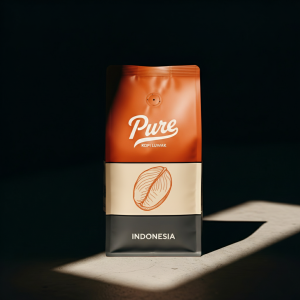
Pure Kopi Luwak
Wild-sourced. Organic. Arabica. From $125.
Asian palm civets consume coffee cherries whole, including the outer fruit flesh. Their digestive system processes the fruit pulp while the coffee beans — protected by their hard parchment layer — pass through largely intact. The beans spend approximately 18-24 hours in the civet’s digestive tract, primarily in the stomach where they undergo partial fermentation.
When the beans are excreted, they’re still encased in their natural protective parchment layer, similar to how nuts have shells. This biological packaging prevents direct contact between the coffee bean and digestive materials throughout the entire process.
Professional collectors gather these excreted beans within 24 hours of excretion, using proper protective equipment. The beans then undergo extensive washing, depulping, fermentation, and drying — processes that completely remove any external matter while preserving the enhanced flavors created during digestion.
The Science of Safety
Natural Protection Systems
Coffee beans possess multiple natural barriers that protect them during the civet digestion process:
- Parchment layer: A tough, fibrous coating that remains intact throughout digestion
- Silver skin: An additional protective membrane beneath the parchment
- Bean structure: Dense, low-porosity cellular structure that resists penetration
- Natural antimicrobials: Coffee beans contain compounds that naturally resist bacterial growth
These protective systems work together to maintain the integrity of the coffee bean while allowing beneficial fermentation compounds to influence flavor development through the parchment layer.
Acidic Environment Benefits
The civet’s stomach maintains a highly acidic environment (pH 1.5-3.0) that actually provides sanitation benefits. This acidic condition:
- Kills most harmful bacteria and parasites
- Creates an inhospitable environment for pathogens
- Promotes beneficial fermentation while preventing contamination
- Breaks down potentially harmful compounds while preserving beneficial ones
Research published in Food Microbiology journal confirmed that the acidic digestive environment of civets actually reduces bacterial loads compared to conventional coffee processing environments.
Processing: From Excretion to Excellence
Professional kopi luwak processing involves multiple sanitation stages that eliminate any safety concerns:
Stage 1: Collection
- Fresh collection within 24 hours prevents bacterial growth
- Sterile collection tools prevent cross-contamination
- Immediate isolation from collection environment
- Initial visual inspection for quality control
Stage 2: Initial Cleaning
- Multiple water rinses remove external matter
- Gentle agitation separates beans from debris
- Flotation separation removes damaged or defective beans
- First quality assessment for shape and integrity
Stage 3: Deep Washing
- High-pressure water treatment removes stubborn particles
- Sanitizing rinses with food-grade cleaning solutions
- Multiple rinse cycles ensure complete cleaning
- Final inspection for cleanliness standards
Stage 4: Fermentation and Drying
- Controlled fermentation in clean, monitored environments
- Sun-drying or mechanical drying to precise moisture levels
- Regular turning and monitoring for even drying
- Final moisture testing for storage stability
Laboratory Testing: Proof of Purity
Reputable kopi luwak producers subject their coffee to rigorous laboratory testing that exceeds standards for conventional coffee:
Microbiological Testing
- Total bacterial count (aerobic plate count)
- Coliform bacteria detection
- Enterobacteriaceae family screening
- Pathogen-specific testing for E. coli, Salmonella, and Listeria
- Yeast and mold enumeration
Chemical Safety Analysis
- Heavy metals screening
- Pesticide residue testing
- Mycotoxin analysis (aflatoxins, ochratoxin A)
- Foreign matter detection
- pH and acidity measurements
Results consistently show that properly processed kopi luwak meets or exceeds international food safety standards. Many samples show lower bacterial counts than conventionally processed coffee due to the more controlled processing environment.
The Roasting Safety Net
Even if any contamination somehow survived the extensive processing (which testing confirms it doesn’t), the roasting process provides an absolute safety guarantee.
Coffee roasting reaches internal bean temperatures of 390-480°F (200-250°C), maintained for 8-15 minutes depending on roast level. These temperatures and durations exceed the thermal death point for all known bacteria, viruses, parasites, and even bacterial spores.
Research by the International Coffee Organization confirms that coffee roasting achieves complete sterilization, eliminating 99.999% of all microorganisms. This thermal processing step makes roasted coffee one of the safest beverages available, regardless of origin.
The wild-sourced kopi luwak available today undergoes this same thermal sterilization process, ensuring absolute safety for consumption while preserving the unique flavors created during civet digestion.
Comparing Safety: Kopi Luwak vs. Regular Coffee
When examining safety objectively, kopi luwak often demonstrates superior safety profiles compared to conventionally processed coffee:
Processing Environment Control
- Kopi luwak: Small-batch processing with intensive quality control
- Regular coffee: Large-scale processing with variable quality control
Contamination Sources
- Kopi luwak: Natural fermentation in controlled digestive environment
- Regular coffee: Open-air fermentation tanks with variable water quality
Testing Frequency
- Kopi luwak: Extensive testing due to premium positioning
- Regular coffee: Standard testing, often less comprehensive
Studies comparing bacterial loads in processed coffee beans consistently show that premium kopi luwak has lower contamination levels than mass-market regular coffee from the same regions.
Historical Safety Record
Kopi luwak has been consumed for over 300 years without documented safety incidents when properly processed. This extensive historical record provides real-world evidence of safety that laboratory testing confirms.
Indonesian coffee farmers have been collecting and processing civet coffee since the Dutch colonial period. Traditional processing methods, refined over centuries, established safety protocols that modern science has validated and improved upon.
No documented cases exist of illness directly attributed to properly processed kopi luwak consumption. This safety record spans centuries and millions of cups consumed worldwide.
Regulatory Oversight
Modern kopi luwak production operates under strict regulatory oversight that ensures consumer safety:
International Standards
- FDA approval for import into the United States
- European Union Novel Food Regulation compliance
- ISO 22000 food safety management system certification
- HACCP (Hazard Analysis Critical Control Points) implementation
National Regulations
- Indonesian BPOM (National Agency of Drug and Food Control) registration
- Ministry of Agriculture export certification
- Local health department facility inspections
- International phytosanitary compliance
These regulatory frameworks ensure that only coffee meeting strict safety standards can legally be sold as kopi luwak in international markets.
Consumer Safety Tips
While properly processed kopi luwak is inherently safe, consumers can take steps to ensure they’re purchasing legitimate, safe products:
Verify Source Documentation
- Request laboratory test results
- Confirm processing facility certifications
- Verify traceability documentation
- Check for regulatory compliance certificates
Choose Reputable Suppliers
- Select suppliers with established safety records
- Avoid unusually cheap products that may compromise safety
- Look for transparent processing information
- Verify wild-sourced claims to ensure ethical and safe production
Proper Storage and Preparation
- Store in dry, cool environments to prevent mold growth
- Use clean equipment for grinding and brewing
- Follow recommended brewing parameters for optimal safety and flavor
- Consume within recommended timeframes for peak quality
Addressing Common Misconceptions
Myth: “It’s just poop coffee”
Reality: Coffee beans pass through civets protected by natural shells and undergo extensive cleaning and processing. The final product contains no fecal matter.
Myth: “It must contain harmful bacteria”
Reality: Laboratory testing consistently shows lower bacterial levels than conventional coffee, and roasting eliminates all microorganisms regardless.
Myth: “The processing is unsanitary”
Reality: Professional kopi luwak processing follows stricter safety protocols than most conventional coffee processing due to its premium positioning.
Myth: “It’s unsafe because it comes from animals”
Reality: Many foods come from animals or animal processes (honey, cheese, yogurt) and are perfectly safe when properly processed.
The Psychology of Disgust vs. Safety
Understanding the psychological response to kopi luwak helps separate emotional reactions from factual safety assessment.
Evolutionary Responses
Human disgust responses evolved to protect us from potentially harmful substances. This protective mechanism serves us well in many situations but can also create irrational aversions to safe foods and processes.
The same psychological mechanism that makes people avoid kopi luwak also affects reactions to other safe foods like blue cheese (contains mold), fermented fish sauce, or aged meats. In all cases, proper processing transforms potentially concerning raw materials into safe, flavorful foods.
Cultural Conditioning
Food acceptance varies dramatically across cultures. Many foods considered delicacies in some regions are viewed with disgust in others, despite equivalent safety profiles. Kopi luwak’s acceptance often correlates with exposure to the actual production process rather than relying on sensationalized descriptions.
Scientific Consensus
The scientific community has reached clear consensus on kopi luwak safety:
Food Safety Experts
Food safety scientists consistently affirm that properly processed kopi luwak poses no greater safety risk than conventional coffee. The combination of natural protection, extensive processing, and thermal sterilization creates multiple safety barriers.
Regulatory Bodies
International food safety agencies including the FDA, European Food Safety Authority, and equivalent organizations worldwide have approved kopi luwak for consumption based on safety data.
Academic Research
Peer-reviewed research consistently demonstrates that kopi luwak safety profiles meet or exceed those of conventional coffee when processed according to established protocols.
Economic Drivers of Safety
The economics of kopi luwak production actually incentivize superior safety practices:
Premium Pricing
High prices mean producers cannot afford safety incidents that would damage their reputation and market position. This creates strong economic incentives for maintaining the highest safety standards.
Limited Supply
Small production volumes allow for intensive quality control and safety monitoring that would be economically challenging with mass-market coffee production.
Reputation Dependency
Kopi luwak producers depend heavily on reputation and trust. Any safety incident would be catastrophic for their business, creating powerful incentives for maintaining impeccable safety standards.
The Verdict: Science Over Stigma
When examining the question “Is coffee from animal poop sanitary?” through a scientific lens rather than an emotional one, the evidence overwhelmingly supports safety.
Kopi luwak’s unique production process, far from creating safety concerns, actually provides natural protection mechanisms that conventional coffee processing lacks. The combination of protective barriers, acidic fermentation environment, extensive processing, rigorous testing, and thermal sterilization creates multiple overlapping safety systems.
The historical safety record, regulatory approval, scientific consensus, and comparative safety data all confirm that properly produced kopi luwak is not only safe but often safer than conventional coffee in measurable ways.
For consumers willing to look beyond initial emotional reactions, kopi luwak represents one of the most carefully monitored and tested coffee products available. The exotic nature of its production shouldn’t overshadow the sophisticated food safety science that ensures its safety.
The real answer to “Is coffee from animal poop sanitary?” is that it’s not actually “poop coffee” at all — it’s a precisely processed, rigorously tested, and scientifically validated specialty coffee that happens to use nature’s own fermentation process to create exceptional flavors safely.
Pure Kopi Luwak
Wild-sourced. Organic. Arabica. From $125.