The cheapest kopi luwak you’ll find online runs $15–$40 per 100g. Genuine wild kopi luwak starts at $125/100g. Anything below that is not wild-sourced.
That’s the honest answer. If you came here looking for a bargain, this post will explain exactly what low prices mean — and why there’s no such thing as budget kopi luwak that’s worth buying.
What “Cheap” Kopi Luwak Actually Is
When you see kopi luwak priced at $15–$40 for 100 grams, you’re looking at one of a few things:
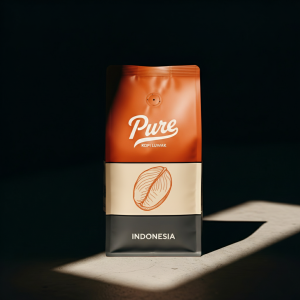
Pure Kopi Luwak
Wild-sourced. Organic. Arabica. From $125.
- Farmed, caged-civet coffee. Industrial operations in parts of Southeast Asia keep civets in small cages and force-feed them coffee cherries. The coffee this produces is lower quality (stressed animals don’t selectively eat the ripest cherries), ethically problematic, and cheap to produce at scale. Much of this ends up in tourist markets and low-price online listings.
- Blended coffee. A small percentage of genuine civet-processed beans gets mixed with standard Arabica or Robusta. The result is labeled “kopi luwak” despite containing mostly regular coffee. This is fraud, but it’s common and largely undetected.
- Instant coffee products. Some sellers produce “kopi luwak instant coffee” — a product that takes whatever low-grade beans they have, processes them further into instant coffee, and markets them using the kopi luwak name. Instant processing destroys any flavor nuance. This is pure name exploitation.
- Tourist-grade product. Airport kiosks and souvenir shops across Indonesia and Malaysia sell ornately packaged “kopi luwak” for prices that seem premium locally but are cheap by Western standards. The supply chain is untraceable.
In all these cases, what you’re buying isn’t what you think you’re buying. The kopi luwak name is being used to charge more than regular coffee while delivering far less than the genuine article.
Why Wild Kopi Luwak Can’t Be Cheap
Understanding why real kopi luwak costs what it costs makes the price rational rather than shocking.
Wild kopi luwak is produced by free-roaming Asian palm civets in Java’s coffee forests. These animals naturally eat coffee cherries as part of their diet — selectively choosing the ripest fruit, which is the first critical quality factor. During digestion, enzymes break down the proteins in the coffee bean, altering the flavor chemistry in ways that roasting alone cannot replicate.
After the civets pass the beans, they must be found and collected by hand from the jungle floor. This is labor-intensive, time-consuming work done during a specific harvest season. The yield per hectare is a fraction of what conventional coffee processing produces. There’s no way to mechanize the collection.
The beans then go through washing, sun-drying, hulling, and small-batch roasting — all requiring careful quality control. The entire process, from jungle floor to roasted bean, involves significantly more human labor per kilogram than any conventionally processed coffee.
Add international shipping, import processing, and the natural economics of a genuinely scarce product, and $125 per 100g reflects actual costs. There’s no margin to cut that would bring the price down to $20 while keeping the product genuine.
The Price Guide: What Each Tier Means
Here’s a straightforward breakdown of what different price points actually indicate:
- Under $40 per 100g: Farmed, blended, or fake. Not genuine wild kopi luwak. May not be meaningfully civet-processed at all.
- $40–$100 per 100g: Possibly farmed (caged civet), possibly blended. Better than the cheapest tier but still not wild-sourced. Ethical and quality concerns remain.
- $100–$150 per 100g: The entry point for genuine wild-sourced kopi luwak from verified suppliers. At this price, you should expect full supply chain transparency and explicit wild-harvesting claims.
- $150+ per 100g: Premium wild kopi luwak, aged varieties, or single-origin specialty lots with exceptional traceability. Reserved for serious collectors and gift buyers.
These aren’t arbitrary tiers — they reflect the economics of how each product is actually made.
Is There a Budget-Friendly Option?
Honestly? No. There’s no cheap version of genuine wild kopi luwak, because a cheap version doesn’t exist.
But there’s a better way to think about the price. At $125 for 100g, you’re getting roughly 10–15 cups of coffee depending on your brewing method. That works out to approximately $8–12 per cup — which is less than most people pay for a cocktail, and comparable to a specialty coffee at a premium café in any major city.
Kopi luwak isn’t something you brew every morning. It’s a coffee you brew when you want the experience — or when you want to share something genuinely extraordinary with someone. Framed that way, $125 for 10–15 exceptional cups isn’t an indulgence. It’s a reasonable investment in a memorable experience.
If your budget is under $100 and you want exceptional coffee, there are outstanding single-origin Arabicas and specialty roasts in the $20–$40 range that will serve you better than any cheap “kopi luwak” ever will. Don’t compromise on the real thing — either buy the genuine article or don’t buy at it at all.
See wild-sourced kopi luwak from Java, Indonesia — $125/100g →
Pure Kopi Luwak
Wild-sourced. Organic. Arabica. From $125.

Roger Abbott is the founder of Pure Kopi Luwak. He has spent over a decade sourcing wild kopi luwak directly from farmers and collectors in the highlands of Java, Indonesia — working exclusively with wild civets, never caged. He writes about specialty coffee, Indonesian origins, and the science behind what makes kopi luwak taste the way it does.
